
TO TURN THESE INSIGHTS INTO A CONCRETE SONIC ROADMAP?
amp GmbH (HQ)
Sandstr. 33
80335 Munich
Germany
Sea Containers
18 Upper Ground
London
SE1 9PD
United Kingdom
amp Sound Branding Inc.
3 World Trade Center
175 Greenwich Street
New York
NY 10007
Copyright © 2026 amp GmbH, All rights reserved.
MUNICH | BERLIN | NEW YORK | LOS ANGELES | LONDON | SINGAPORE | MILAN | DUBAI


Tailoring Sonic Branding for Short and Long Form Media
While our research has demonstrated a truly insightful finding – that television is currently reigning supreme with its sonic branding impact – this is likely not due to its effectiveness, but rather to sonic branding strategy. A recent report identified that 5.66 billion people use social media, which is 68% of the world’s population. The impact of sonic branding on these platforms should not be underestimated, as System1’s recent report demonstrated it to be one of the most impactful forms of branding.
So how does your brand take advantage of short form content?
73%
Internet Users
68%
Social Media Users
Front Load Your Sonic Logo
Front Load Your Sonic Logo Front Load Your Sonic Logo Front Load Your Sonic Logo Front Load Your Sonic Logo Front Load Your Sonic Logo Front Load Your Sonic Logo Front Load Your Sonic Logo Front Load Your Sonic Logo Front Load Your Sonic Logo Front Load Your Sonic Logo
Front Load Your Sonic Logo Front Load Your Sonic Logo Front Load Your Sonic Logo Front Load Your Sonic Logo Front Load Your Sonic Logo Front Load Your Sonic Logo Front Load Your Sonic Logo Front Load Your Sonic Logo Front Load Your Sonic Logo Front Load Your Sonic Logo
Front Load Your Sonic Logo Front Load Your Sonic Logo Front Load Your Sonic Logo Front Load Your Sonic Logo Front Load Your Sonic Logo Front Load Your Sonic Logo Front Load Your Sonic Logo Front Load Your Sonic Logo Front Load Your Sonic Logo Front Load Your Sonic Logo
Front Load Your Sonic Logo Front Load Your Sonic Logo Front Load Your Sonic Logo Front Load Your Sonic Logo Front Load Your Sonic Logo Front Load Your Sonic Logo Front Load Your Sonic Logo Front Load Your Sonic Logo Front Load Your Sonic Logo Front Load Your Sonic Logo
The three second rule of digital marketing may have now become the two second rule. Marketing experts created the three second rule as defined by the temporal window available to capture a user’s/viewer’s attention. With System1’s new research, which captures the decreasing attention-spans of younger individuals, that window seems to have narrowed.
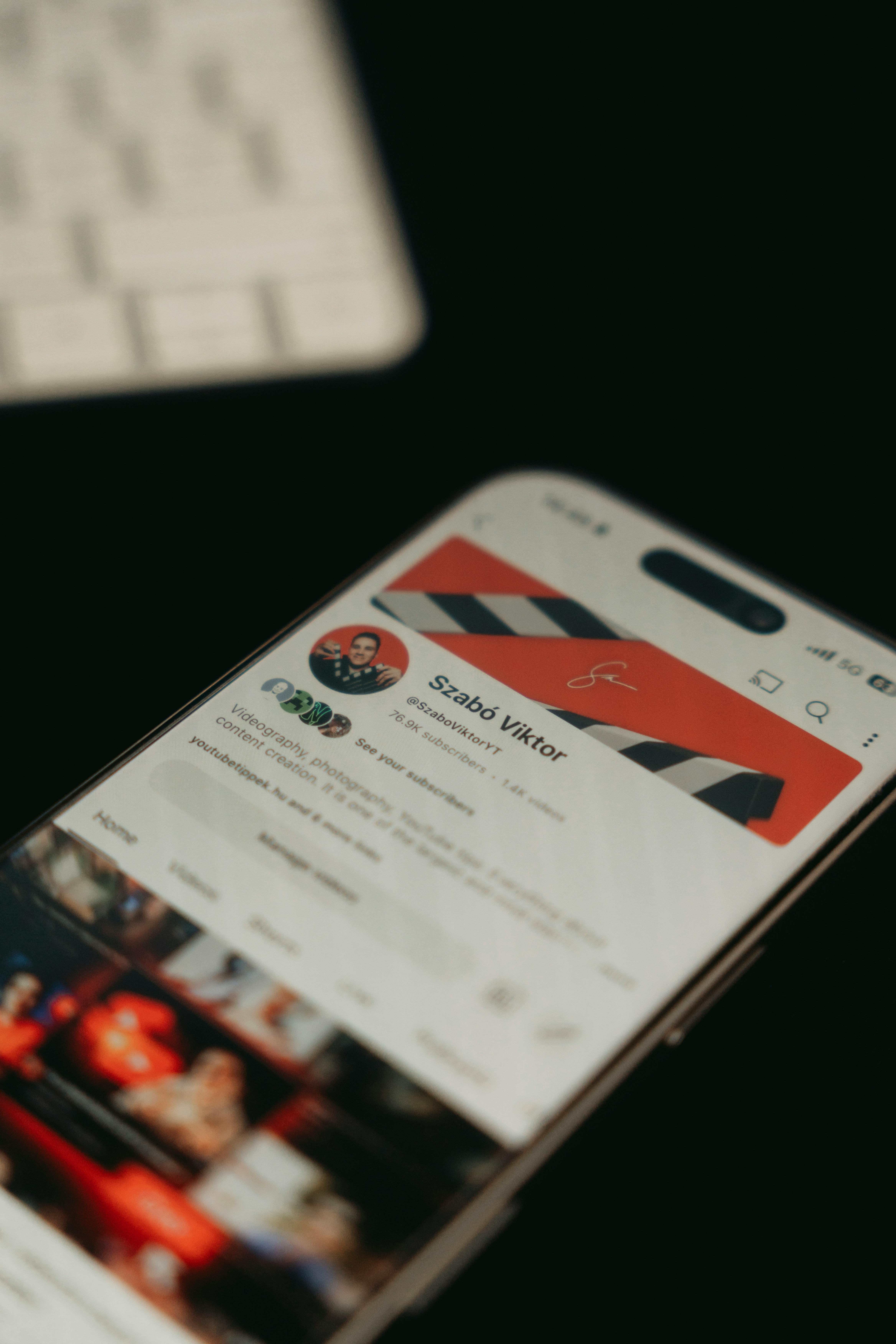
To engage a viewer on short form media and actively have them interact with your brand, you must first “stop the scroll”. These first few seconds are dire to get them to stop scrolling. According to market research company Kantar, in 2021, 73% of TikTok users are more likely to watch ads if they have sound. Stopping the scroll is more likely with a sonic logo that precedes the content, while also increasing the recognition of your brand.
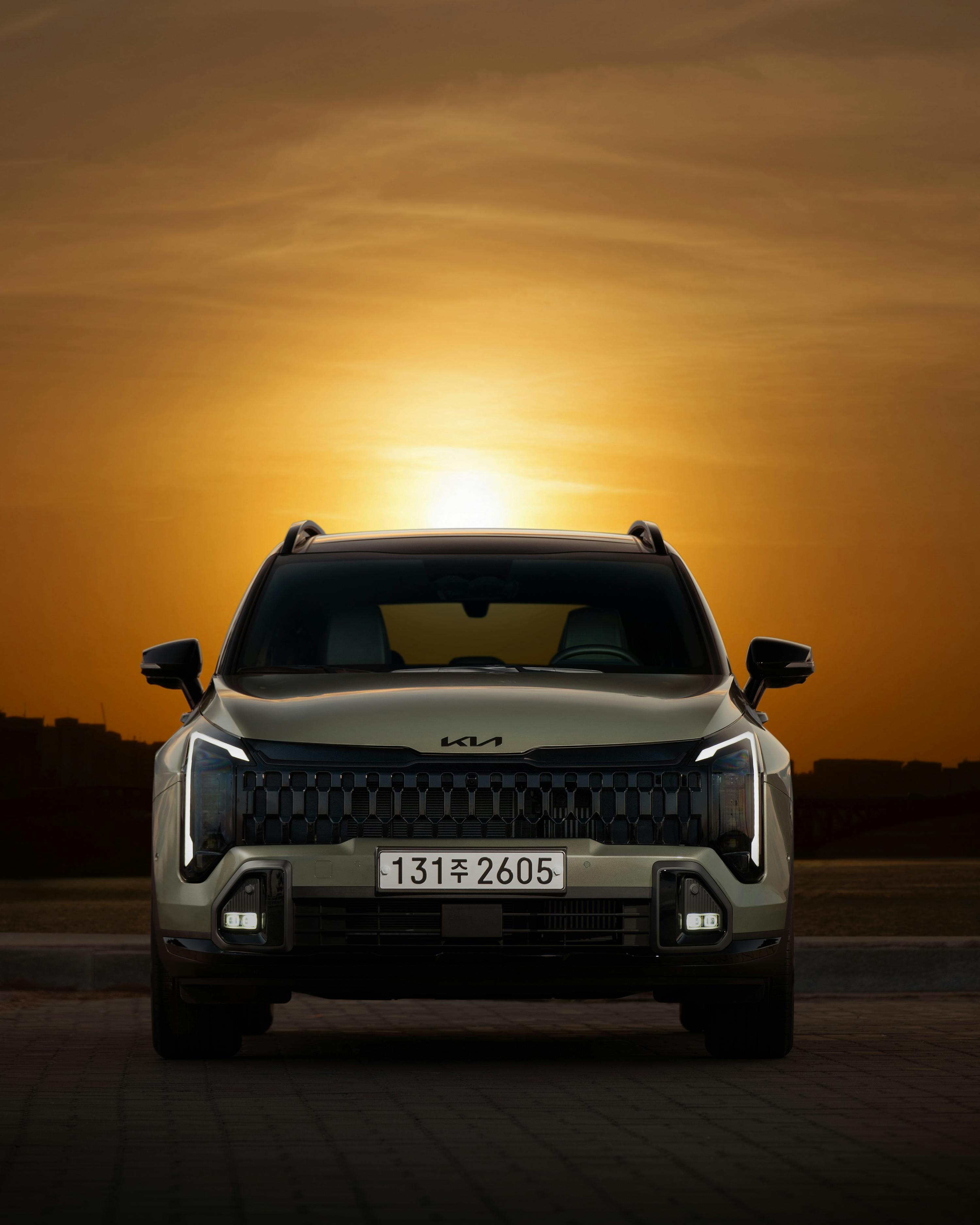
We noticed that some brands in the current research – such as Kia, who uses its sonic logo in the majority of its content – use logos exclusively at the end. While this may be effective for longer commercials on television, which normally sit between portions of a narrative (a TV Drama, Sports Game, Reality Show, etc.) that keep you watching through the full duration, short form video content can be immediately dismissed, making those first two seconds a crucial space for sonic branding.
Time is Money but Branding Takes Time
Short form, YouTube, and TV demand different strategies because their attention curves and viewer mindsets are not interchangeable. On short form platforms, the ideal approach is to obtain attention in the first two seconds, use quick sonic elements like a sonic logo, and invite remixing and quick variation. It is a more personal way for consumers to interact with the brand while also somewhat providing a teaser or trailer for more curated future interactions.
On YouTube, viewers are more intentional with their decision to be watching at all. This is the opportunity to weave in a larger sonic identity: full motif in cinematic score-like form, pace for a larger narrative, and flex the sonic with more purpose. On TV, brands want to lean into deliberate, emotionally resonant storytelling where the motif can score scenes, and the full logo typically lands at the end to cement association as the brand says: “enjoy your show”.
Don’t Take Yourself Too Seriously on Socials
Brands that utilize the social media space must be ready to be mememified. Utilizing this space is providing your audience with a tool to craft content, make parodies, and explore creative spaces. Brands that lean into the laughter, the jokes, and the memes become part of a cultural conversation that they would otherwise be excluded from.
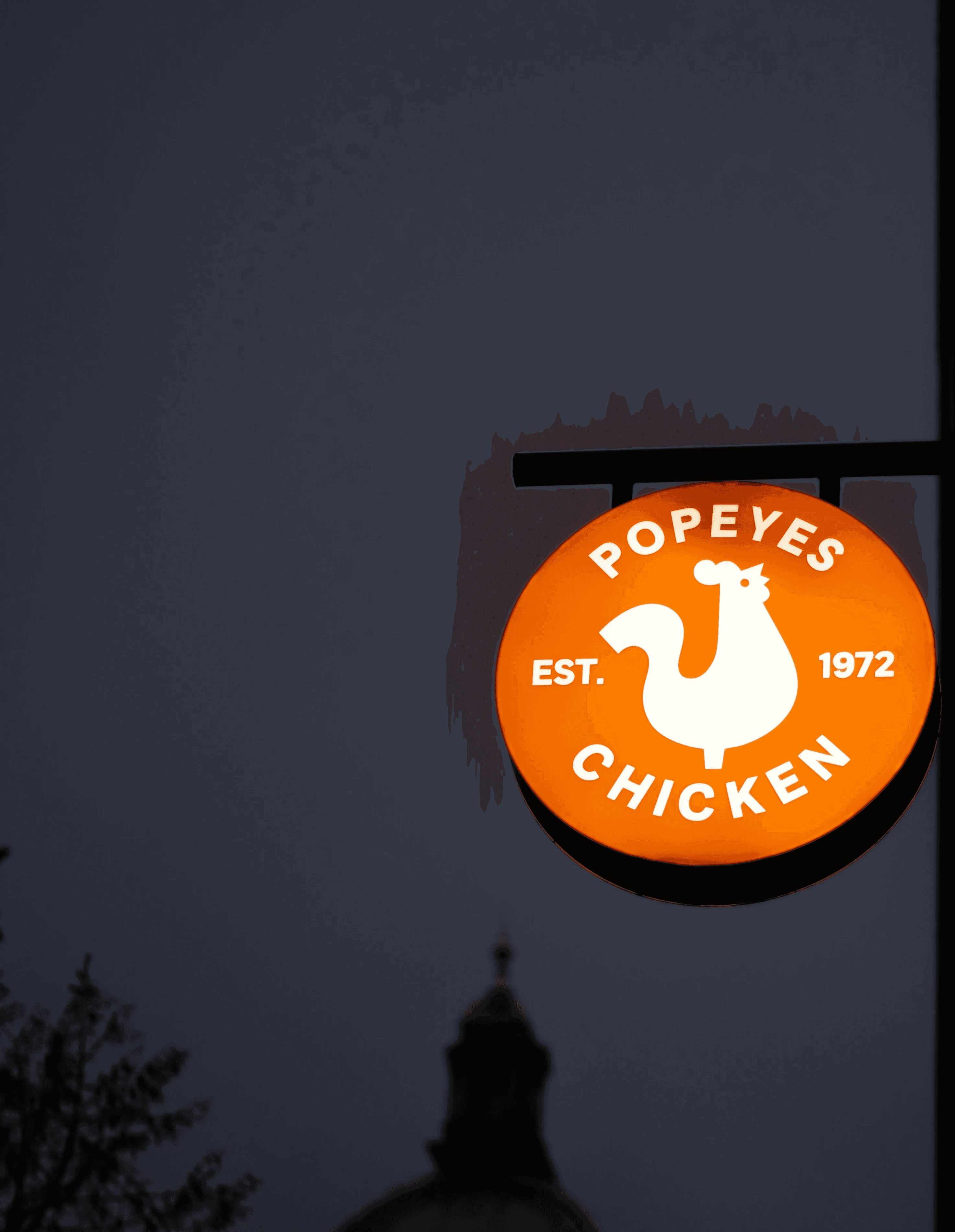
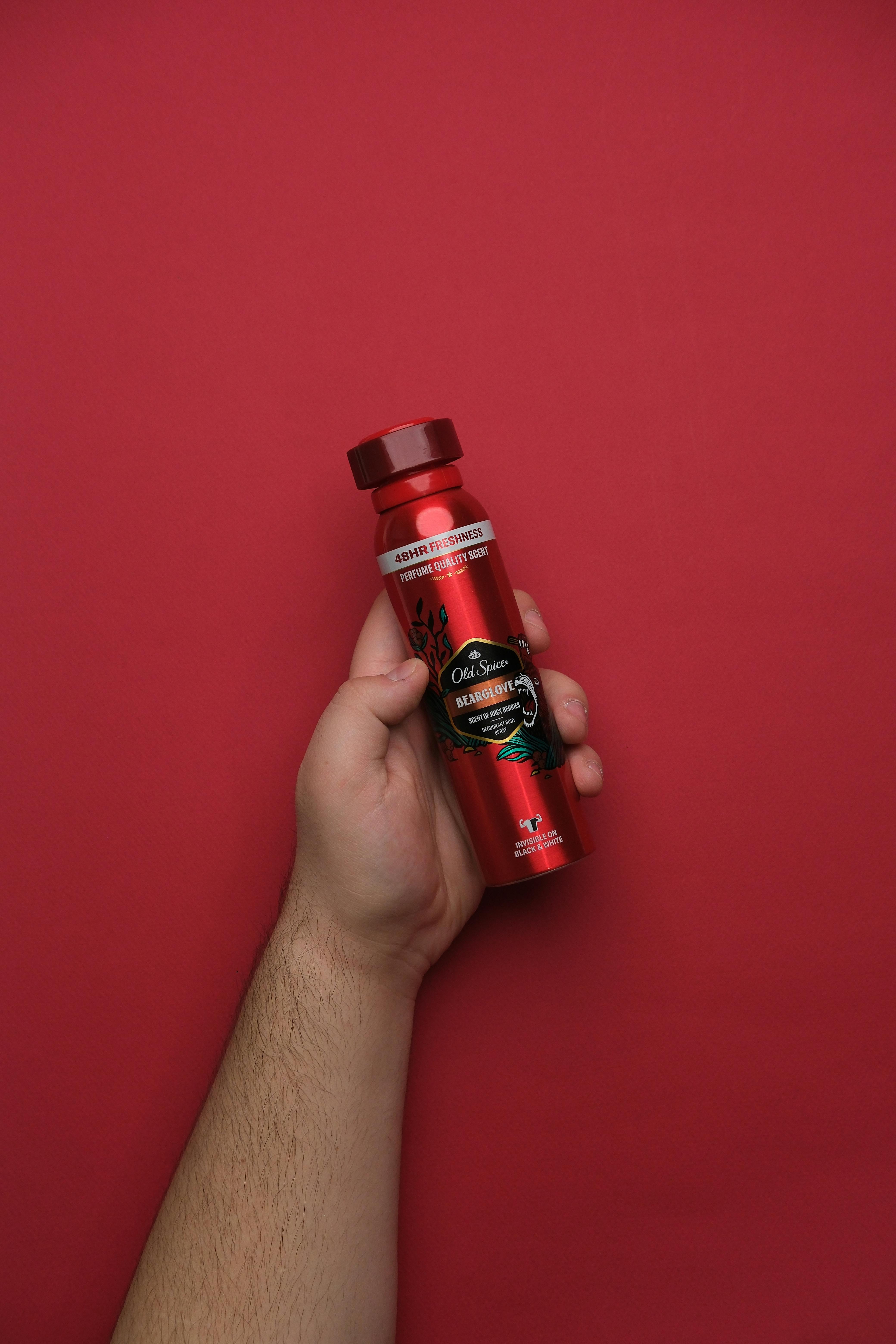
For example, Old Spice, which is in the top 10 of sonic logo usage consistency on both Instagram and TikTok, was recognized at a 90% rate. This happens because, day to day, users hear the sonic logo not just in commercials, but also online, as it is taken by others and made light of. This type of usage is actually a reason we may be seeing a brand like Popeyes, which leaned toward traditional advertisement rather than social media, have such a high level of recognition in the recent study, at 80%. Though the brand does not use its sonic logo regularly in content, people have taken it and memeified it. Furthermore, amp’s periodical, amplify, took a look at Gen Z’s relationship to sonic branding and learned that brands who have sonic memes are recognized and attributed at double the rate than brands that do not are, revealing where and how audiences actually engage.
Consistency, Interconnectivity, and a Touch of Magic!
Every brand wants to go viral, every brand wants to be the sound of their industry, however that does not happen overnight. The marathon of sonic branding is never ending and never limited. Television and longer YouTube videos are not dead. In fact, our current study found that more people watch TV and YouTube than short form video content. There is a reason that Super Bowl ads still cost $7 million for 30 seconds. People watch television regularly, and they pay attention. When people sit down to watch television it is more of a purposeful act rather than a mindless scroll.
This is not to say short form video is not important, rather it is different. The way you engage with your audience is different on these platforms, but brands seem not to have caught up, given our recent data. What we can learn from the incredible nature of Popeyes, which has been using its sonic logo for 45 years regularly on television and in longer form YouTube videos, is that brand attribution has been built through television, and day to day fans of the brand are left to bring it to short form content.
While this is not the recommended route for younger, new sonic brands, it does prove a key point: neglecting television, now that Instagram, TikTok, and Shorts are so readily used, misses a key branding moment and ignores a portion of the picture.
Short form is not classic TV; its attention dynamics, creative rhythms, and social expectations differ. To win, lead with sound in the first seconds, invite the crowd to play, and connect smaller moments to deeper stories on YouTube and TV where meaning takes root. Done consistently, this approach delivers the best of both worlds: social platforms that stop the scroll and spread your sound, and longer-form environments that cement memory and meaning. The touch of magic arrives in the blend of a recognizable sonic identity, playful participation by social users, and consistent usage across all platforms.
TO TURN THESE INSIGHTS INTO A CONCRETE SONIC ROADMAP?
amp GmbH (HQ)
Sandstr. 33
80335 Munich
Germany
Sea Containers
18 Upper Ground
London
SE1 9PD
United Kingdom
amp Sound Branding Inc.
3 World Trade Center
175 Greenwich Street
New York
NY 10007
Copyright © 2026 amp GmbH, All rights reserved.
MUNICH | BERLIN | NEW YORK | LOS ANGELES | LONDON | SINGAPORE | MILAN | DUBAI



Tailoring Sonic Branding for Short and Long Form Media
While our research has demonstrated a truly insightful finding – that television is currently reigning supreme with its sonic branding impact – this is likely not due to its effectiveness, but rather to sonic branding strategy. A recent report identified that 5.66 billion people use social media, which is 68% of the world’s population. The impact of sonic branding on these platforms should not be underestimated, as System1’s recent report demonstrated it to be one of the most impactful forms of branding.
So how does your brand take advantage of short form content?
73%
Internet Users
68%
Social Media Users
Front Load Your Sonic Logo
Front Load Your Sonic Logo Front Load Your Sonic Logo Front Load Your Sonic Logo Front Load Your Sonic Logo Front Load Your Sonic Logo Front Load Your Sonic Logo Front Load Your Sonic Logo Front Load Your Sonic Logo Front Load Your Sonic Logo Front Load Your Sonic Logo
Front Load Your Sonic Logo Front Load Your Sonic Logo Front Load Your Sonic Logo Front Load Your Sonic Logo Front Load Your Sonic Logo Front Load Your Sonic Logo Front Load Your Sonic Logo Front Load Your Sonic Logo Front Load Your Sonic Logo Front Load Your Sonic Logo
Front Load Your Sonic Logo Front Load Your Sonic Logo Front Load Your Sonic Logo Front Load Your Sonic Logo Front Load Your Sonic Logo Front Load Your Sonic Logo Front Load Your Sonic Logo Front Load Your Sonic Logo Front Load Your Sonic Logo Front Load Your Sonic Logo
Front Load Your Sonic Logo Front Load Your Sonic Logo Front Load Your Sonic Logo Front Load Your Sonic Logo Front Load Your Sonic Logo Front Load Your Sonic Logo Front Load Your Sonic Logo Front Load Your Sonic Logo Front Load Your Sonic Logo Front Load Your Sonic Logo