The true differentiator, and a majorly underutilized one at that, therefore lies in sonic localization.
Here is how smart brands are tuning their frequencies to the Middle East and Asia.
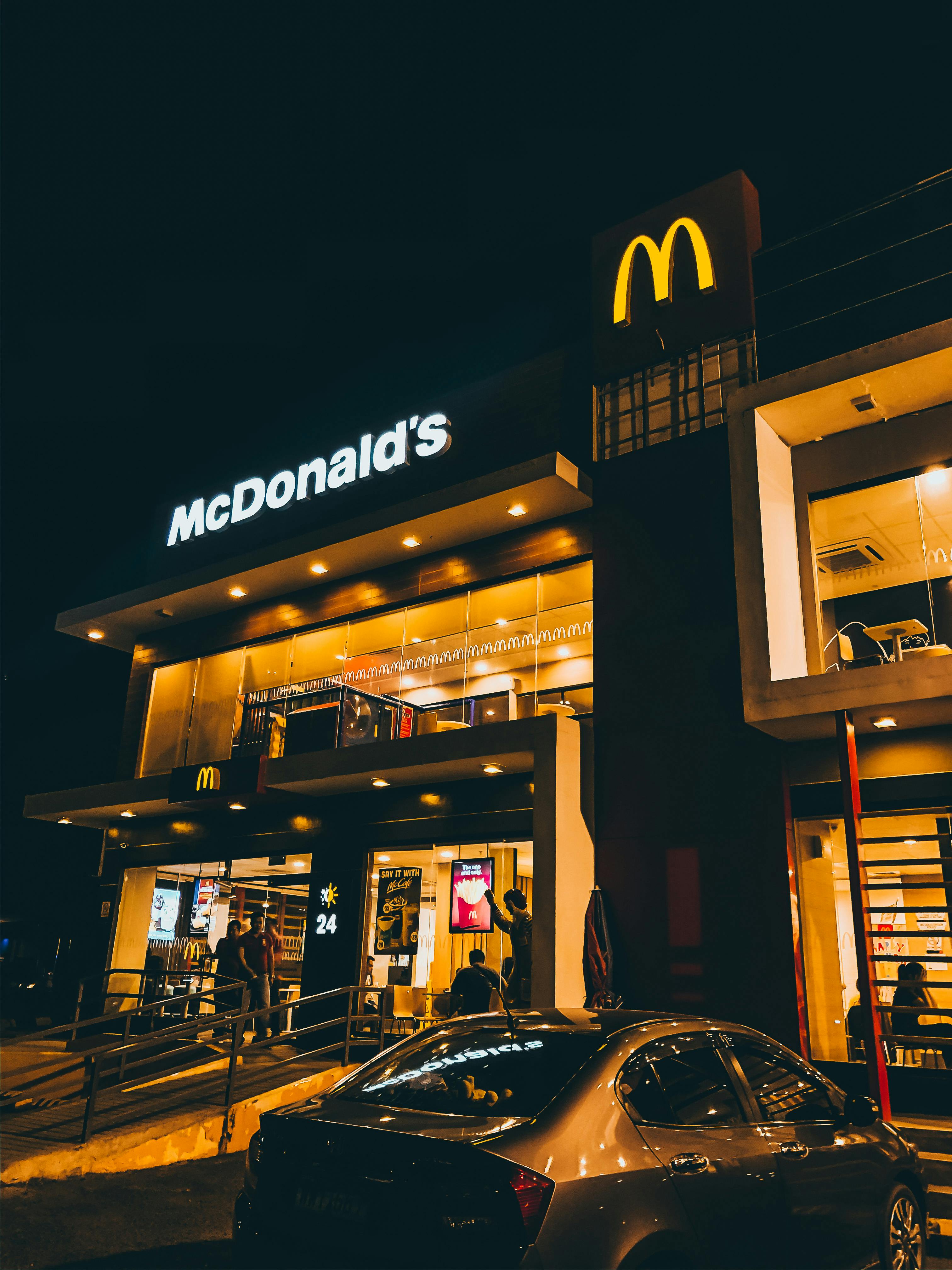
If there were a masterclass in sonic elasticity, it is arguably taught by McDonald’s. The fast-food giant has proven that a rigid melody, the ubiquitous five-note "Ba-da-ba-ba-ba”, can possess a radically fluid texture.
In the GCC, particularly during culturally poignant moments like Ramadan, the brand strips away the synthesizer-heavy pop gloss that dominates Western airwaves. In its place, listeners are often treated to a re-orchestration featuring the Oud, or subtle, organic percussive elements. This shift aligns the brand with the contemplative, community-focused atmosphere of the region, signalling a deep sense of respect rather than commercial intrusion, all whilst still creating brand recall and equity by using their owned brand assets.
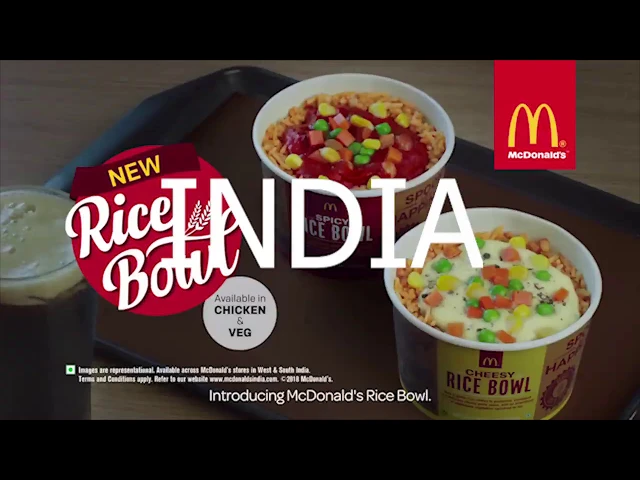
Contrast this with the brand’s auditory presence in markets like South Korea and Japan. Here, the sonic identity leans heavily into the high-energy aesthetics of K-Pop or the "Kawaii" (cute) culture. The notes are sharpened, utilizing brighter, digital chimes designed to cut through the dense, neon-lit urban soundscape. Whereas in India, the focus is on creating a visceral, fun, soundtrack which blends traditional gamakas with the McDonald’s melody.
The genius lies in the nuance: the notes never change, but the feeling does. By adapting the timbre to the local ear – warm and resonant for the Gulf, bright and crisp for Asia – McDonald’s maintains global recall while proving local relevance.
Another example is Hyundai’s adaptation of their sonic logo for the GCC markets, replacing the synth with local instruments. Same melody, highly localised context. This is the beauty of sound.
The Outbound Strategy: Exporting Culture to the World
For years, the conversation around localization in advertising has focused on Western giants adapting to the East. However, a fascinating shift is occurring: Middle Eastern powerhouses are now exporting their culture to the world. The strategic challenge here is the inverse. How do you take a brand deeply rooted in local heritage and ensure it resonates with listeners in say Spain, or Africa?
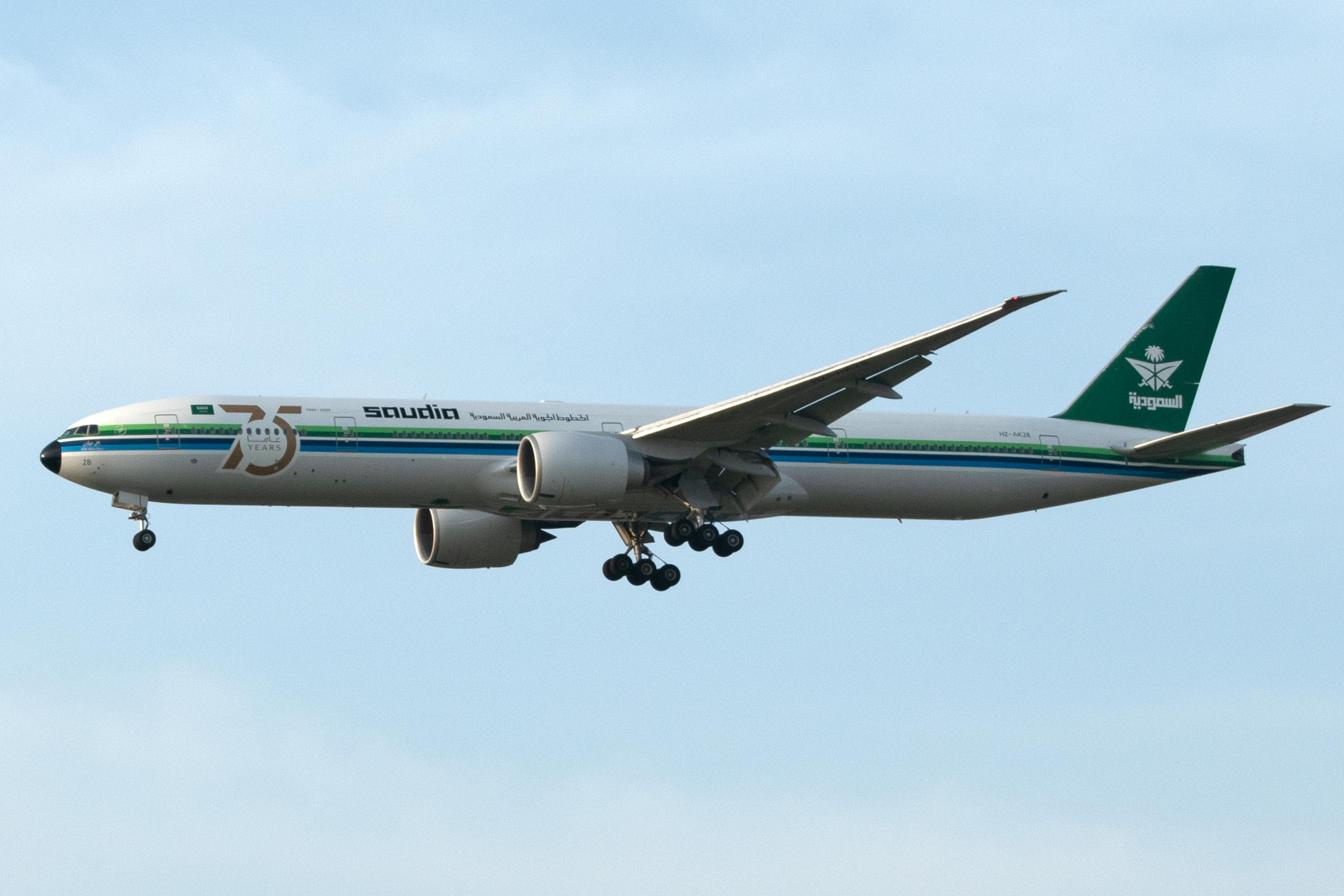
Saudia Airlines (Saudia) offers a compelling answer. In a massive sonic transformation designed to align with the Kingdom's Vision 2030, the airline positioned itself as the cultural ambassador of KSA, literally exporting the Saudi hospitality around the globe. Rather than diluting their identity to blend in, they chose to amplify their roots, but with a strategic, cinematic twist designed for international ears.
This approach can be best described as a "bridging" strategy. For campaigns targeting European markets, Saudia didn't abandon their sonic identity, which is rooted in Saudi musical traditions. Instead, they used the same melodies but created adaptations in Spanish, Greek, and French styles. To a listener in Madrid or Athens, the resulting sound is familiar yet still builds strong brand recall for Saudia. This orchestration avoids the potential dissonance that strict, traditional Arabic microtones might cause for Western ears, while still retaining the soul of the Kingdom. The result is a sonic identity that feels like a premium, global invitation, validating the brand's origin story while ensuring the sonic remains universally relevant and relatable.
A brand that insists on speaking a monolingual musical language will inevitably be tuned out. By embracing what makes each region sound unique, brands can build an identity that travels globally but resonates locally. The future of branding is multisensorial: it’s not just about being seen anymore; it is about being heard, understood, and felt.
In the
Middle East
and Asia
the ear is a gateway to the heart.
In the Middle East and Asia, the ear is a gateway to the heart. A brand that insists on speaking a monolingual musical language will inevitably be tuned out.
By embracing what makes each region sound unique, brands can build an identity that travels globally but resonates locally. The future of branding is multisensorial: it’s not just about being seen anymore; it is about being heard, understood, and felt.