A STORY THAT BELONGS IN NEXT YEAR’S SPOTLIGHT?
amp GmbH (HQ)
Sandstr. 33
80335 Munich
Germany
Sea Containers
18 Upper Ground
London
SE1 9PD
United Kingdom
amp Sound Branding Inc.
3 World Trade Center
175 Greenwich Street
New York
NY 10007
Copyright © 2026 amp GmbH, All rights reserved.
MUNICH | BERLIN | NEW YORK | LOS ANGELES | LONDON | SINGAPORE | MILAN | DUBAI
SCROLL


Over the last two decades or so, sonic branding has evolved from a novelty asset used by some major players and boutique brands trying to make a name for themselves, into a marketing gold mine that creates little ear worms for everyone to enjoy. When we look at the state of the practice in 2025, we see a growing number of global brands beginning to drift into a few questionable habits. The use of sonic logos and audio cues has jumbled together, and product-specific sounds are starting to develop their own identity separate from the parent company. The result is a fractured sonic ecosystem where sub-brands sound equally as distinctive and memorable as their leading conglomerates.
A Logo With a Life of Its Own
From 2024 to 2025 many brands introduced new sonic logos, sounds, and holistic identities. As companies grow, their individual markets need to be tailored, which is a great approach to any branding strategy. However, the trend of using secondary sonic logos that do not relate to the original limits the ability to establish a unified “master” identity. This trend is particularly visible in sectors such as tech and finance. In these industries, sub-brands become more prominent as new devices and services are rolled out; but the memorability of their assets remains in question.
For example, Builders like Microsoft Copilot feature a polished sonic logo and integrate some of the company’s most engaging audio work. The Copilot team are able to blend licensed, custom, and stock music across all platforms. Meanwhile, Microsoft Build, a conference hosted by the company each year, uses its own intro and outro music which bears no resemblance to Copilot’s sonic identity or Microsoft’s overarching sonic ecosystem. What remains is a brand identity in which individual products have recognition, but the parent brand stays unsolidified in its marketing tactics.
Apple exhibits a similar pattern, but for its programs and applications. Apple Arcade is a subscription-based service that offers iPhone users the ability to play any of the games available on its market on-the-go. The app includes a startup sound that functions as a sonic logo, aligning it with gaming and tech platforms such as Microsoft, HP, PlayStation, and the like. Yet even though its amassed unprecedented branding recognition, the main Apple brand still has no sonic logo of its own.
Apple exhibits a similar pattern, but for its programs and applications. Apple Arcade is a subscription-based service that offers iPhone users the ability to play any of the games available on its market on-the-go. The app includes a startup sound that functions as a sonic logo, aligning it with gaming and tech platforms such as Microsoft, HP, PlayStation, and the like. Yet even though its amassed unprecedented branding recognition, the main Apple brand still has no sonic logo of its own.
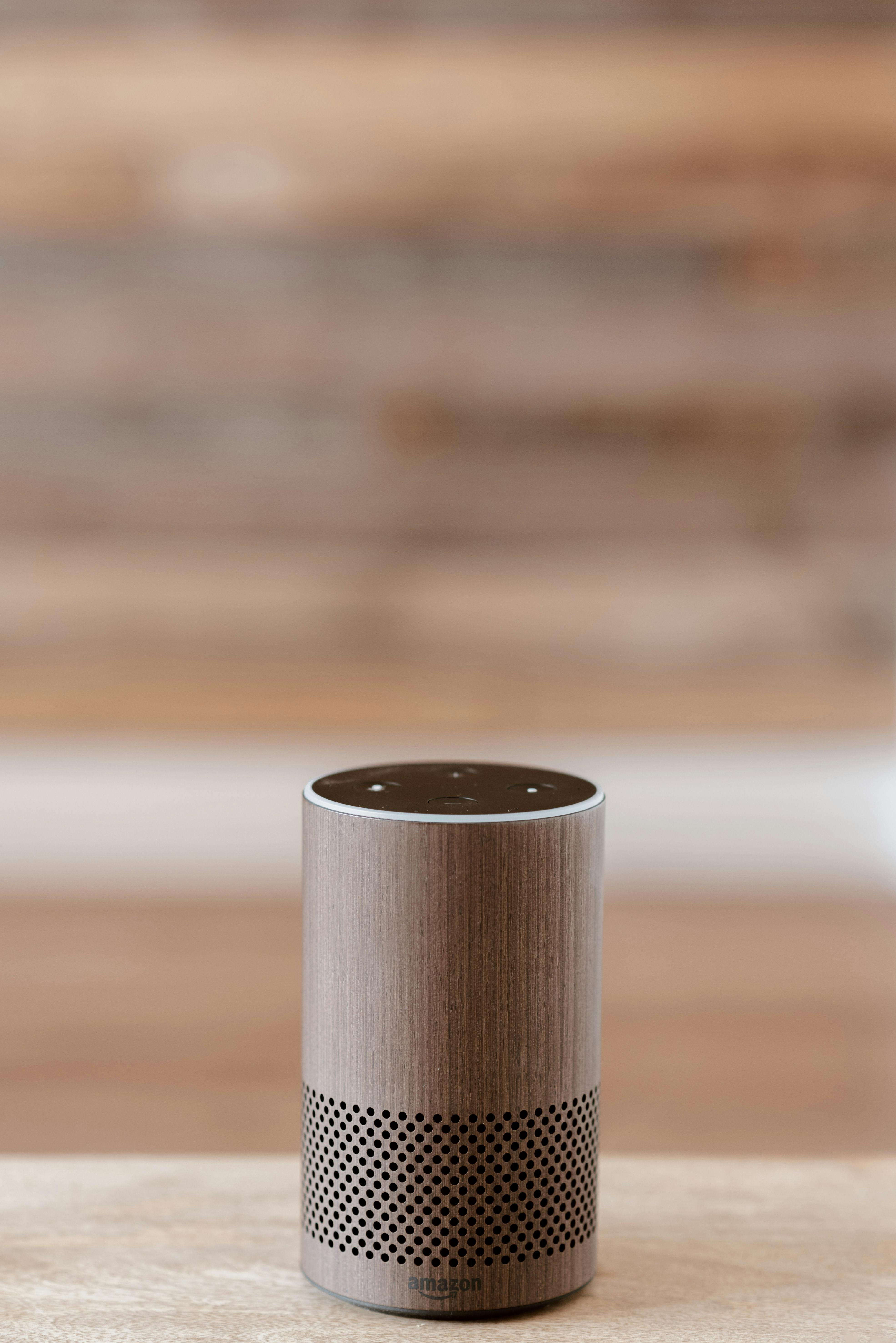
Arcade’s simple melodic cue is not enough to stand on its own, nor is it connected to the broader Apple world. It serves as a great primer to the later reward of the games, but in terms of memorability, falls short of true sonic mastery. Apple isn’t alone in this either. Amazon’s Alexa, like Siri, has a highly recognizable sonic cue: the waking chime and “thinking” sounds have proven to be quite integral to user interaction. Amazon, like other Integrators, is very close to sonic mastery, but is a bit behind brands like Mastercard and Lenovo. With different audio cues across services, from Amazon Prime Video to Amazon Music, none of these are strongly associated with each other. With reinforcement, the sub-brands begin to take on a life of their own.
The Vision Beyond the Sound
As mentioned before, the financial sector is also susceptible to hitting a few roadblocks on the way towards sonic branding mastery. For example, UBS has done an exceptional job revamping their sonic logo, which was introduced in content outlining their new brand identity in a series of videos. However, UBS has unintentionally fragmented their identity by creating a separate sonic logo for Circle One by UBS, a digital investment platform. The secondary sonic logo does not have any melodic or rhythmic elements that match the main brand. While the main sonic logo features an ascending melody, the sonic logo for Circle One by UBS features a simple progression accompanied by a “click” sound. Although both sounds are clean and well-produced, this discrepancy allows room for complications as clients and customers struggle to make mental associations between the two, sonically. Together, this suggests a lack of internal alignment on the vision beyond the sound.
Across all these examples, the through-line is clear: brands are investing in sound (yay!) but often at the product level rather than at a holistic level. While product-specific sonic logos can boost engagement, without proper internal alignment on the sonic environment in which they live, they also risk diluting brand equity. A holistic sonic identity requires a master brand sound, which sub-brands can later adapt into their branding infrastructure. As more companies go into AI, gaming, and digital ecosystems, the challenge ahead is not only creating memorable sounds, but ensuring those sounds work together to reinforce a single, coherent brand story.
A STORY THAT BELONGS IN NEXT YEAR’S SPOTLIGHT?
amp GmbH (HQ)
Sandstr. 33
80335 Munich
Germany
Sea Containers
18 Upper Ground
London
SE1 9PD
United Kingdom
amp Sound Branding Inc.
3 World Trade Center
175 Greenwich Street
New York
NY 10007
Copyright © 2026 amp GmbH, All rights reserved.
MUNICH | BERLIN | NEW YORK | LOS ANGELES | LONDON | SINGAPORE | MILAN | DUBAI
SCROLL