
IN CONTRIBUTING A GUEST ARTICLE, DATA, OR PERSPECTIVE?
amp GmbH (HQ)
Sandstr. 33
80335 Munich
Germany
Sea Containers
18 Upper Ground
London
SE1 9PD
United Kingdom
amp Sound Branding Inc.
3 World Trade Center
175 Greenwich Street
New York
NY 10007
Copyright © 2026 amp GmbH, All rights reserved.
MUNICH | BERLIN | NEW YORK | LOS ANGELES | LONDON | SINGAPORE | MILAN | DUBAI
Guest perspectives
SCROLL
Before you read: watch these clips.
Can you spot which music videos contain brand partnerships?
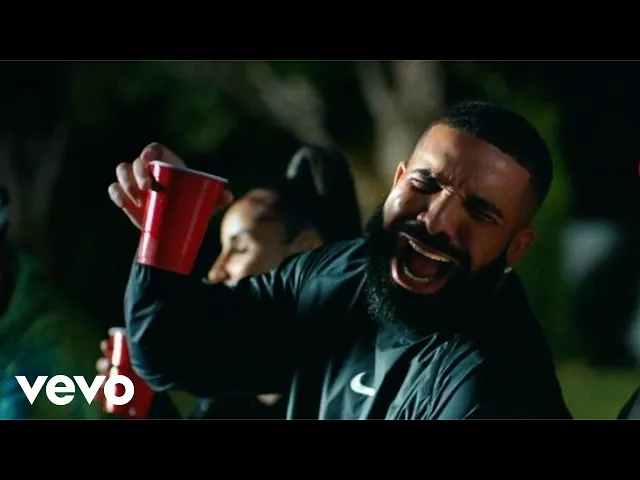
Drake "Laugh Now Cry Later"

Lady Gaga & Bruno Mars “Die With A Smile”

The Weeknd "Dancing In The Flames"
Imagine Drake running around and playing in Nike’s headquarters with a basketball in his hand, or The Weeknd singing his heart out through neon-lit, surreal landscapes that are shaped by Apple’s sleek aesthetic. You may think you are just watching a simple music video, but deep down, you are witnessing a brand narrative unfold.
Today, music videos have evolved into one of the most powerful storytelling formats, where creativity, commerce, and culture intersect. And at the heart of this storytelling magic, there is branded entertainment. You may think to yourself: “Wow, this concept sounds very cool, but what is branded entertainment?” It is the strategic integration of brands into any format that you can think of: movies, television shows, music videos, songs, video games… and what makes it so special is that you do not see them as forced advertisement; they just flow with the story.


Branded Entertainment,
Simply Explained
As a marketer deeply interested in the entertainment industry, music, and creative storytelling, I decided to tackle the evolving concept of branded entertainment for my master’s thesis. And I have realized that we are exposed to these branded entertainment practices more than we think.
Unlike old-school product placements or traditional advertisements that we see on television, branded entertainment ensures that brand integrations do not interrupt the story and the audience. They simply become a part of it.
The strategy behind this concept is to blend the brands into the creative world so seamlessly that it feels like it belongs there naturally. Hence, this storytelling technique with subtle branding influences viewers on a deeper level.
Nowadays, we can see this shift everywhere: the Barbie brand evolving into a promotional movie franchise with an original soundtrack, LEGO building cinematic worlds, and music videos being a shared artefact between artists and brands. When branded entertainment works well, audiences do not tend to stop and think, “This is an advertisement.” Instead, they emotionally, visually, and sonically feel immersed in a narrative experience that is amplified by brands.
Put simply, it is marketing as an art form.
What Makes Branded Entertainment Different?
Traditional ads:
Interrupt your experience
Old-school product placements:
stick-out & feel random/forced
Branded entertainment:
weaves seamlessly into the narrative, aesthetic and emotion
Why Music Videos Are the Perfect Playground
Music videos are rich audiovisual mediums that allow space for brands to be creatively positioned. The combination of visuals, sounds, narrative, performance, fashion, symbolisms, and aesthetics in short-form video content makes them the perfect playground for branded entertainment. Unlike scripted media like films and TV shows, music videos tap into the emotional power of music and the influence of recording artists, who present their real, authentic selves. And when an artist embraces a brand in their music videos, audiences often perceive it positively, especially if branding harmonizes with the ongoing narrative.
Due to their format, they also do not stay in one place; they travel all around social media: across TikTok, Instagram Reels, YouTube, Spotify, Apple Music, fan spaces, and many more platforms. Not only does this journey amplify brand exposure, but it also turns brand moments into trends, memes, and shared cultural experiences.
Click each example to see the breakdown
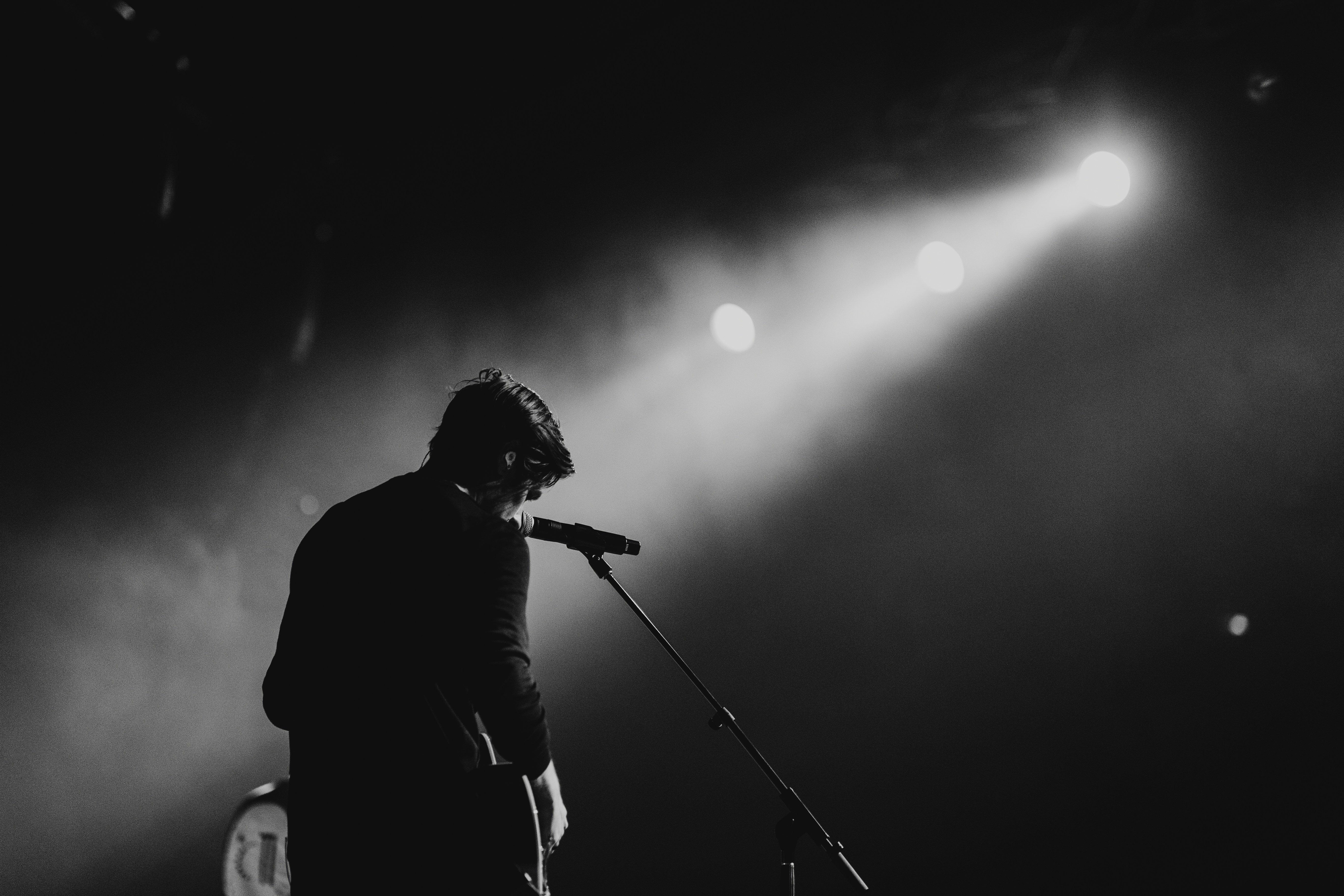
Drake x Nike’s “Laugh Now Cry Later” is a recent example of branded entertainment. In the music video, the Nike HQ is transformed into a cinematic universe where Drake elevates the brand beyond sportswear. Drake’s lyrics and upbeat tempo successfully represent Nike’s motivational ethos.
The Weeknd x Apple’s “Dancing In The Flames” subtly embeds visual, aural, and textual branding elements in the video, which promotes Apple’s newest iPhone. The Weeknd’s creative vision and Apple’s professionalism blend into an impressive artefact.

Dua Lipa x Barbie’s “Dance the Night” is another popular example of cross-promotional branded entertainment, in which music, fashion, and the Barbie movie are merged into one cohesive, hyper-stylised world. Here, Barbie stands as both a brand and a movie franchise, which doubles audience recall.
In a music video, brands do not just appear; they shape the creative direction behind it.


What Makes it Work?
Three Key Insights
No matter how simple and easily applicable branded entertainment may be, some key dimensions emerge about how audiences actually interpret it and what makes the concept effective.
1. Authenticity Drives Everything
Feelings of genuine branding come with three interrelated concepts. Do the artist and brand match? What about viewers’ preconceived ideas towards the artists? Is the narrative immersive enough? The quickest way to lose a consumer is with a partnership that feels transactional. If an artist genuinely aligns with the endorsed brand’s image, identity, values, and aesthetic, then the collaboration feels like a natural projection of the artist’s lifestyle. For example, Drake’s sporty persona aligns well with Nike’s brand image. However, the artist’s reputation also matters. Drake could have put Nike in a bit of a risky situation, but his millions of fans remind us that authenticity is subjective.
The storytelling should also be immersive, not disruptive. Brands being too “in your face” devalues the artistic side. Without overshadowing the video, branding should be woven seamlessly into the emotional arc. Only then can consumers respond with trust, interest, and excitement.
Feelings of genuine branding come with three interrelated concepts. Do the artist and brand match? What about viewers’ preconceived ideas towards the artists? Is the narrative immersive enough? The quickest way to lose a consumer is with a partnership that feels transactional. If an artist genuinely aligns with the endorsed brand’s image, identity, values, and aesthetic, then the collaboration feels like a natural projection of the artist’s lifestyle. For example, Drake’s sporty persona aligns well with Nike’s brand image. However, the artist’s reputation also matters. Drake could have put Nike in a bit of a risky situation, but his millions of fans remind us that authenticity is subjective.
The storytelling should also be immersive, not disruptive. Brands being too “in your face” devalues the artistic side. Without overshadowing the video, branding should be woven seamlessly into the emotional arc. Only then can consumers respond with trust, interest, and excitement.
Authenticity rests on three pillars:
Artist-brand alignment:
Does the partnership make sense?
Artist-brand alignment:
Does the partnership make sense?
Artist reputation:
What are viewers' preconceived ideas?
Artist reputation:
What are viewers' preconceived ideas?
Narrative immersion:
Is the story disrupted or enhanced?
Narrative immersion:
Is the story disrupted or enhanced?
2.Power of Multimodality
Due to the multimodal nature of music videos, brands work through various layers: visuals, performance, lyrics, props, sound design, color, pacing… A strategic and appropriate use of these elements reinforces both the brand and the artist’s image.
Even if we do not realize these modes right away, our subconscious does. Even one jingle can do wonders. No wonder sparkly sound effects and pink color are used intensely in Barbie-related content. These strategic interactions make branded entertainment in music especially impactful.
Due to the multimodal nature of music videos, brands work through various layers: visuals, performance, lyrics, props, sound design, color, pacing… A strategic and appropriate use of these elements reinforces both the brand and the artist’s image.
Even if we do not realize these modes right away, our subconscious does. Even one jingle can do wonders. No wonder sparkly sound effects and pink color are used intensely in Barbie-related content. These strategic interactions make branded entertainment in music especially impactful.
3.Personal Identity and Culture
Who you are shapes what you see, and not everyone decodes brand messages in the same way. Age, taste, cultural background, values, lifestyle, social circle, and many other factors influence the perception of brand authenticity and meaning showcased in music videos.
Reflection of pop cultural elements and current trends in videos is also said to be highly resonant among the Gen Z audience. Here, apart from sole branding execution, branded entertainment practices are also re-negotiated through subjective identities and collective discourse.
Who you are shapes what you see, and not everyone decodes brand messages in the same way. Age, taste, cultural background, values, lifestyle, social circle, and many other factors influence the perception of brand authenticity and meaning showcased in music videos.
Reflection of pop cultural elements and current trends in videos is also said to be highly resonant among the Gen Z audience. Here, apart from sole branding execution, branded entertainment practices are also re-negotiated through subjective identities and collective discourse.
The Sonic Branding Connection
In branded entertainment, sound is the emotional engine. In music videos, especially, sound, rhythm, and sonic cues shape viewers’ feelings and their resonance with the brand. When blended with visuals, brands become part of the creative world, making the entire experience more immersive and memorable.
Click each example to see the breakdown
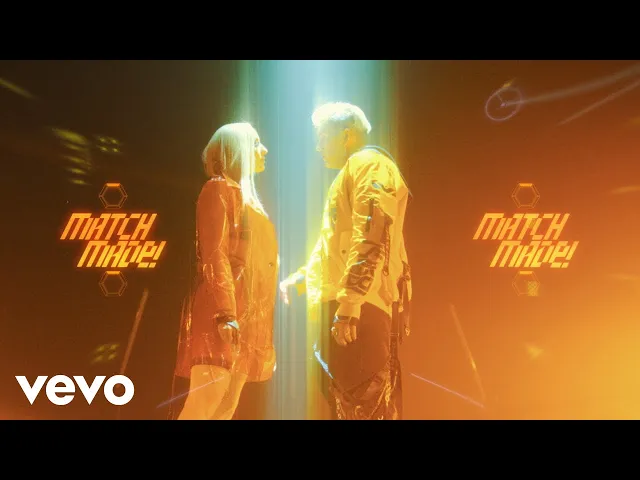
McDonalds
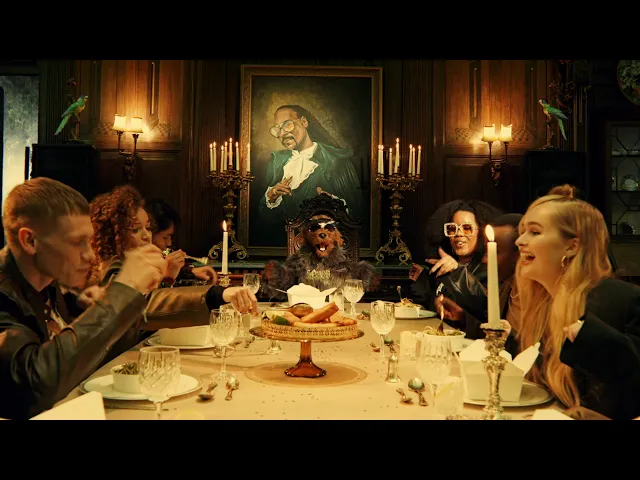
Mastercard
Just Eat




What Should Practitioners Do Now?
Since branded entertainment has been taking over traditional advertisements, it is useful for practitioners to be proactive and strategic to unlock its full potential.
Authenticity, cultural relevance, and creative integration are essential.
Prioritize authentic partnerships
over popularity contests. Choose artists whose identities genuinely align with the brand’s values.
Prioritize authentic partnerships
over popularity contests. Choose artists whose identities genuinely align with the brand’s values.
Keep the integrations story-based
Subtlety beats overt placement every time. Narrative continuity drives engagement.
Keep the integrations story-based
Subtlety beats overt placement every time. Narrative continuity drives engagement.
Test before launch
Multimodal cues are decoded subjectively. Run pre-release tests across diverse viewer groups.
Test before launch
Multimodal cues are decoded subjectively. Run pre-release tests across diverse viewer groups.
Get the timing right
Tap into cultural moments without overwhelming audiences.
Get the timing right
Tap into cultural moments without overwhelming audiences.
Treat consumers as collaborators
Encourage user-generated content and participation for stronger emotional engagement.
Treat consumers as collaborators
Encourage user-generated content and participation for stronger emotional engagement.
The Future Is Already Here
The magic of branded entertainment lies in how seamlessly creativity and commerce can coexist when crafted with intention. And music videos have been serving as powerful examples.
So, the next time you come across a music video, pay attention: you might find a brand quietly shaping the moment without you even noticing.
The magic of branded entertainment lies in how seamlessly creativity and commerce can coexist when crafted with intention. And music videos have been serving as powerful examples.
So, the next time you come across a music video, pay attention: you might find a brand quietly shaping the moment without you even noticing.
Meet Our Guest Contributors

Ece Baran
MSc in Marketing, University of Birmingham
I’m focused on growing my brand, improving my products, and finding smarter ways to market and package my work. I’m driven, curious, and committed to turning my design skills into something bigger.
Ece Baran
MSc in Marketing, University of Birmingham
IN CONTRIBUTING A GUEST ARTICLE, DATA, OR PERSPECTIVE?
amp GmbH (HQ)
Sandstr. 33
80335 Munich
Germany
Sea Containers
18 Upper Ground
London
SE1 9PD
United Kingdom
amp Sound Branding Inc.
3 World Trade Center
175 Greenwich Street
New York
NY 10007
Copyright © 2026 amp GmbH, All rights reserved.
MUNICH | BERLIN | NEW YORK | LOS ANGELES | LONDON | SINGAPORE | MILAN | DUBAI
Guest perspectives
Guest Perspectives
SCROLL
Before you read: watch these clips.
Can you spot which music videos contain brand partnerships?
Drake "Laugh Now Cry Later"
Lady Gaga & Bruno Mars “Die With A Smile”
The Weeknd "Dancing In The Flames"
Imagine Drake running around and playing in Nike’s headquarters with a basketball in his hand, or The Weeknd singing his heart out through neon-lit, surreal landscapes that are shaped by Apple’s sleek aesthetic. You may think you are just watching a simple music video, but deep down, you are witnessing a brand narrative unfold.
Today, music videos have evolved into one of the most powerful storytelling formats, where creativity, commerce, and culture intersect. And at the heart of this storytelling magic, there is branded entertainment. You may think to yourself: “Wow, this concept sounds very cool, but what is branded entertainment?” It is the strategic integration of brands into any format that you can think of: movies, television shows, music videos, songs, video games… and what makes it so special is that you do not see them as forced advertisement; they just flow with the story.

Branded Entertainment,
Simply Explained
As a marketer deeply interested in the entertainment industry, music, and creative storytelling, I decided to tackle the evolving concept of branded entertainment for my master’s thesis. And I have realized that we are exposed to these branded entertainment practices more than we think.
Unlike old-school product placements or traditional advertisements that we see on television, branded entertainment ensures that brand integrations do not interrupt the story and the audience. They simply become a part of it.
The strategy behind this concept is to blend the brands into the creative world so seamlessly that it feels like it belongs there naturally. Hence, this storytelling technique with subtle branding influences viewers on a deeper level.
Nowadays, we can see this shift everywhere: the Barbie brand evolving into a promotional movie franchise with an original soundtrack, LEGO building cinematic worlds, and music videos being a shared artefact between artists and brands. When branded entertainment works well, audiences do not tend to stop and think, “This is an advertisement.” Instead, they emotionally, visually, and sonically feel immersed in a narrative experience that is amplified by brands.
Put simply, it is marketing as an art form.
What Makes Branded Entertainment Different?
Traditional ads:
Interrupt your experience
Old-school product placements:
stick-out & feel random/forced
Branded entertainment:
weaves seamlessly into the narrative, aesthetic and emotion
Why Music Videos Are the Perfect Playground
Music videos are rich audiovisual mediums that allow space for brands to be creatively positioned. The combination of visuals, sounds, narrative, performance, fashion, symbolisms, and aesthetics in short-form video content makes them the perfect playground for branded entertainment. Unlike scripted media like films and TV shows, music videos tap into the emotional power of music and the influence of recording artists, who present their real, authentic selves. And when an artist embraces a brand in their music videos, audiences often perceive it positively, especially if branding harmonizes with the ongoing narrative.
Due to their format, they also do not stay in one place; they travel all around social media: across TikTok, Instagram Reels, YouTube, Spotify, Apple Music, fan spaces, and many more platforms. Not only does this journey amplify brand exposure, but it also turns brand moments into trends, memes, and shared cultural experiences.
Click each example to see the breakdown
Drake x Nike’s “Laugh Now Cry Later” is a recent example of branded entertainment. In the music video, the Nike HQ is transformed into a cinematic universe where Drake elevates the brand beyond sportswear. Drake’s lyrics and upbeat tempo successfully represent Nike’s motivational ethos.
The Weeknd x Apple’s “Dancing In The Flames” subtly embeds visual, aural, and textual branding elements in the video, which promotes Apple’s newest iPhone. The Weeknd’s creative vision and Apple’s professionalism blend into an impressive artefact.
Dua Lipa x Barbie’s “Dance the Night” is another popular example of cross-promotional branded entertainment, in which music, fashion, and the Barbie movie are merged into one cohesive, hyper-stylised world. Here, Barbie stands as both a brand and a movie franchise, which doubles audience recall.
In a music video, brands do not just appear; they shape the creative direction behind it.
What Makes it Work?
Three Key Insights
No matter how simple and easily applicable branded entertainment may be, some key dimensions emerge about how audiences actually interpret it and what makes the concept effective.
1. Authenticity Drives Everything
Feelings of genuine branding come with three interrelated concepts. Do the artist and brand match? What about viewers’ preconceived ideas towards the artists? Is the narrative immersive enough? The quickest way to lose a consumer is with a partnership that feels transactional. If an artist genuinely aligns with the endorsed brand’s image, identity, values, and aesthetic, then the collaboration feels like a natural projection of the artist’s lifestyle. For example, Drake’s sporty persona aligns well with Nike’s brand image. However, the artist’s reputation also matters. Drake could have put Nike in a bit of a risky situation, but his millions of fans remind us that authenticity is subjective.
The storytelling should also be immersive, not disruptive. Brands being too “in your face” devalues the artistic side. Without overshadowing the video, branding should be woven seamlessly into the emotional arc. Only then can consumers respond with trust, interest, and excitement.
Authenticity rests on three pillars:
Artist-brand alignment:
Does the partnership make sense?
Artist reputation:
What are viewers' preconceived ideas?
Narrative immersion:
Is the story disrupted or enhanced?
2.Power of Multimodality
Due to the multimodal nature of music videos, brands work through various layers: visuals, performance, lyrics, props, sound design, color, pacing… A strategic and appropriate use of these elements reinforces both the brand and the artist’s image.
Even if we do not realize these modes right away, our subconscious does. Even one jingle can do wonders. No wonder sparkly sound effects and pink color are used intensely in Barbie-related content. These strategic interactions make branded entertainment in music especially impactful.
3.Personal Identity and Culture
Who you are shapes what you see, and not everyone decodes brand messages in the same way. Age, taste, cultural background, values, lifestyle, social circle, and many other factors influence the perception of brand authenticity and meaning showcased in music videos.
Reflection of pop cultural elements and current trends in videos is also said to be highly resonant among the Gen Z audience. Here, apart from sole branding execution, branded entertainment practices are also re-negotiated through subjective identities and collective discourse.
The Sonic Branding Connection
In branded entertainment, sound is the emotional engine. In music videos, especially, sound, rhythm, and sonic cues shape viewers’ feelings and their resonance with the brand. When blended with visuals, brands become part of the creative world, making the entire experience more immersive and memorable.
Click each example to see the breakdown
McDonalds
Mastercard
Just Eat
What Should Practitioners Do Now?
Since branded entertainment has been taking over traditional advertisements, it is useful for practitioners to be proactive and strategic to unlock its full potential.
Authenticity, cultural relevance, and creative integration are essential.
Prioritize authentic partnerships
over popularity contests. Choose artists whose identities genuinely align with the brand’s values.
Keep the integrations story-based
Subtlety beats overt placement every time. Narrative continuity drives engagement.
Test before launch
Multimodal cues are decoded subjectively. Run pre-release tests across diverse viewer groups.
Get the timing right
Tap into cultural moments without overwhelming audiences.
Treat consumers as collaborators
Encourage user-generated content and participation for stronger emotional engagement.
The Future Is Already Here
The magic of branded entertainment lies in how seamlessly creativity and commerce can coexist when crafted with intention. And music videos have been serving as powerful examples.
So, the next time you come across a music video, pay attention: you might find a brand quietly shaping the moment without you even noticing.
Meet Our Guest Contributors
Ece Baran
MSc in Marketing, University of Birmingham
I’m focused on growing my brand, improving my products, and finding smarter ways to market and package my work. I’m driven, curious, and committed to turning my design skills into something bigger.
Ece Baran
MSc in Marketing, University of Birmingham