
A CUSTOM VIEW OF YOUR SECTOR’S SONIC FOOTPRINT AND KPIS?
amp GmbH (HQ)
Sandstr. 33
80335 Munich
Germany
Sea Containers
18 Upper Ground
London
SE1 9PD
United Kingdom
amp Sound Branding Inc.
3 World Trade Center
175 Greenwich Street
New York
NY 10007
Copyright © 2026 amp GmbH, All rights reserved.
MUNICH | BERLIN | NEW YORK | LOS ANGELES | LONDON | SINGAPORE | MILAN | DUBAI




INSIGHTS
SCROLL
THE BIG PICTURE
Brands pivot from building equity to making an impact
Brands pivot from building equity to making an impact
Our 2026 analysis reveals a massive strategic shift in how brands use sound. Investment in long-term sonic assets has declined, while spending on unique, campaign-specific music has exploded.



Bravo | Dynamic Agency |
$99
Quattro | Dark Minimal Portfolio |
$99
CUSTOM MUSIC USAGE
Soars by over
140%
year-over-year
OWNED MUSIC
INVESTMENT
Declines by
67%
as brands focus on short-term impact
MUSIC USAGE
MUSIC USAGE
The Sonic Footprint
of an Average Brand in 2025
Insights: The 2025 data reveals that the current sonic landscape is dominated by generic, rented audio. On average, brands use stock music in 61.9% of their content, making it the most prevalent type of sound by a large margin. This indicates that the majority of brands are opting for a low-cost, high-volume approach to their sound, which results in a largely undifferentiated sonic environment.
Investment in unique, ownable sonic assets remains a minority strategy. Owned, branded music makes up only 6.4% of the average brand's audio content. The higher usage of custom music (7.9%) suggests that while some brands are commissioning unique sound for specific campaigns, a full commitment to an owned, reusable sonic identity system is not yet a widespread practice.
Finally, content with no music or silence accounts for 18.4% of all content, showing that a significant portion of brand communication is happening without any sonic support at all.
Owned Music:
Custom Music:
Licensed Music:
Stock Music:
No Music / Silence:
0.0%
0.0%
0.0%
0.0%
0.0%
0.0%
0.0%
0.0%
0.0%
0.0%
Custom Music: The Missed Opportunity for Brand Equity
The average usage of custom music across all 154 brands is 7.9%, just slightly more than the usage of owned music. This indicates that brands are willing to invest in creating unique sound for specific campaigns. However, because this music is not part of a larger, ownable sonic system, it represents a significant missed opportunity. The cost to produce a custom track is roughly the same as producing an owned, branded track, but only the latter builds long-term sonic equity.
Automotive
0.0%
0.0%
Food Services
0.0%
0.0%
Financial Services
0.0%
0.0%
Top Adopters by Sector
The sectors that most frequently invest in single-use custom music are:
Insights: These are highly competitive, consumer-facing sectors that invest heavily in high-production campaigns. Their use of custom music shows they understand the need for a unique sound to cut through the noise for a specific ad. However, by not integrating these custom pieces into an ownable Sonic DNA, they are essentially creating disposable assets, failing to build a lasting sonic connection with their audience beyond the individual campaign.
Adoption Among High-Performing Brands
Insights: The use of custom music is most prevalent among B-Grade brands (15.8%), who use it more than any other grade. In contrast, A-Grade brands use custom music far less frequently, at only 3.0%.
This data tells a story of strategic evolution. B-Grade brands appear to be in a transitional phase; they have moved past a reliance on generic stock music and are investing in unique audio, but are doing so on a campaign-by-campaign basis. The top-performing A-Grade brands have already taken the next step: they have channeled that same investment into a fully-owned sonic system, which they can deploy consistently without needing to reinvent their sound for every new campaign.
Custom Music: The Missed Opportunity for Brand Equity
The average usage of custom music across all 154 brands is 7.9%, just slightly more than the usage of owned music. This indicates that brands are willing to invest in creating unique sound for specific campaigns. However, because this music is not part of a larger, ownable sonic system, it represents a significant missed opportunity. The cost to produce a custom track is roughly the same as producing an owned, branded track, but only the latter builds long-term sonic equity.
Automotive
0.0%
0.0%
Food Services
0.0%
0.0%
Financial Services
0.0%
0.0%
Top Adopters by Sector
The sectors that most frequently invest in single-use custom music are:
Insights: These are highly competitive, consumer-facing sectors that invest heavily in high-production campaigns. Their use of custom music shows they understand the need for a unique sound to cut through the noise for a specific ad. However, by not integrating these custom pieces into an ownable Sonic DNA, they are essentially creating disposable assets, failing to build a lasting sonic connection with their audience beyond the individual campaign.
Adoption Among High-Performing Brands
Insights: The use of custom music is most prevalent among B-Grade brands (15.8%), who use it more than any other grade. In contrast, A-Grade brands use custom music far less frequently, at only 3.0%.
This data tells a story of strategic evolution. B-Grade brands appear to be in a transitional phase; they have moved past a reliance on generic stock music and are investing in unique audio, but are doing so on a campaign-by-campaign basis. The top-performing A-Grade brands have already taken the next step: they have channeled that same investment into a fully-owned sonic system, which they can deploy consistently without needing to reinvent their sound for every new campaign.
Custom Music: The Missed Opportunity for Brand Equity
The average usage of custom music across all 154 brands is 7.9%, just slightly more than the usage of owned music. This indicates that brands are willing to invest in creating unique sound for specific campaigns. However, because this music is not part of a larger, ownable sonic system, it represents a significant missed opportunity. The cost to produce a custom track is roughly the same as producing an owned, branded track, but only the latter builds long-term sonic equity.
Automotive
0.0%
0.0%
Food Services
0.0%
0.0%
Financial Services
0.0%
0.0%
Top Adopters by Sector
The sectors that most frequently invest in single-use custom music are:
Insights: These are highly competitive, consumer-facing sectors that invest heavily in high-production campaigns. Their use of custom music shows they understand the need for a unique sound to cut through the noise for a specific ad. However, by not integrating these custom pieces into an ownable Sonic DNA, they are essentially creating disposable assets, failing to build a lasting sonic connection with their audience beyond the individual campaign.
Adoption Among High-Performing Brands
Insights: The use of custom music is most prevalent among B-Grade brands (15.8%), who use it more than any other grade. In contrast, A-Grade brands use custom music far less frequently, at only 3.0%.
This data tells a story of strategic evolution. B-Grade brands appear to be in a transitional phase; they have moved past a reliance on generic stock music and are investing in unique audio, but are doing so on a campaign-by-campaign basis. The top-performing A-Grade brands have already taken the next step: they have channeled that same investment into a fully-owned sonic system, which they can deploy consistently without needing to reinvent their sound for every new campaign.
Custom Music: The Missed Opportunity for Brand Equity
The average usage of custom music across all 154 brands is 7.9%, just slightly more than the usage of owned music. This indicates that brands are willing to invest in creating unique sound for specific campaigns. However, because this music is not part of a larger, ownable sonic system, it represents a significant missed opportunity. The cost to produce a custom track is roughly the same as producing an owned, branded track, but only the latter builds long-term sonic equity.
Automotive
0.0%
0.0%
Food Services
0.0%
0.0%
Financial Services
0.0%
0.0%
Top Adopters by Sector
The sectors that most frequently invest in single-use custom music are:
Insights: These are highly competitive, consumer-facing sectors that invest heavily in high-production campaigns. Their use of custom music shows they understand the need for a unique sound to cut through the noise for a specific ad. However, by not integrating these custom pieces into an ownable Sonic DNA, they are essentially creating disposable assets, failing to build a lasting sonic connection with their audience beyond the individual campaign.
Adoption Among High-Performing Brands
Insights: The use of custom music is most prevalent among B-Grade brands (15.8%), who use it more than any other grade. In contrast, A-Grade brands use custom music far less frequently, at only 3.0%.
This data tells a story of strategic evolution. B-Grade brands appear to be in a transitional phase; they have moved past a reliance on generic stock music and are investing in unique audio, but are doing so on a campaign-by-campaign basis. The top-performing A-Grade brands have already taken the next step: they have channeled that same investment into a fully-owned sonic system, which they can deploy consistently without needing to reinvent their sound for every new campaign.
Owned Music: A Deep Dive into Strategic Adoption
The average usage of owned, branded music across all 154 brands is 6.4%. This confirms that the vast majority of the sonic landscape is comprised of unowned audio, presenting a clear and massive opportunity for brands to create a unique and memorable identity by investing in an ownable sound.
The commitment to building long-term sonic equity is not evenly distributed. A clear strategic divide is visible between sectors:
Top Adopters by Sector
Financial Services
0.0%
0.0%
Industrial
0.0%
0.0%
Business Services
0.0%
0.0%
Insights: The leading adopters are B2B or high-consideration B2C sectors. This suggests that brands in these industries place a higher value on using a consistent, ownable sound to build trust, authority, and long-term recognition with their clients and partners. They are not just creating ads; they are building sonic equity.
The Tipping Point of Adoption
Insights: While the overall average is low, 80% of A-Grade and B-Grade brands utilize owned music. This is not a simple correlation; it is evidence of a strategic tipping point. It demonstrates that for brands reaching a certain level of strategic maturity (A/B Grade), the question is no longer if they should invest in an ownable sonic identity, but how. The practice is standard among the leaders, making its absence in other brands a notable strategic deficiency. It has become a foundational element of a top-tier brand strategy, much like a visual identity system.
Owned Music: A Deep Dive into Strategic Adoption
The average usage of owned, branded music across all 154 brands is 6.4%. This confirms that the vast majority of the sonic landscape is comprised of unowned audio, presenting a clear and massive opportunity for brands to create a unique and memorable identity by investing in an ownable sound.
The commitment to building long-term sonic equity is not evenly distributed. A clear strategic divide is visible between sectors:
Top Adopters by Sector
Financial Services
0.0%
0.0%
Industrial
0.0%
0.0%
Business Services
0.0%
0.0%
Insights: The leading adopters are B2B or high-consideration B2C sectors. This suggests that brands in these industries place a higher value on using a consistent, ownable sound to build trust, authority, and long-term recognition with their clients and partners. They are not just creating ads; they are building sonic equity.
The Tipping Point of Adoption
Insights: While the overall average is low, 80% of A-Grade and B-Grade brands utilize owned music. This is not a simple correlation; it is evidence of a strategic tipping point. It demonstrates that for brands reaching a certain level of strategic maturity (A/B Grade), the question is no longer if they should invest in an ownable sonic identity, but how. The practice is standard among the leaders, making its absence in other brands a notable strategic deficiency. It has become a foundational element of a top-tier brand strategy, much like a visual identity system.
Owned Music: A Deep Dive into Strategic Adoption
The average usage of owned, branded music across all 154 brands is 6.4%. This confirms that the vast majority of the sonic landscape is comprised of unowned audio, presenting a clear and massive opportunity for brands to create a unique and memorable identity by investing in an ownable sound.
The commitment to building long-term sonic equity is not evenly distributed. A clear strategic divide is visible between sectors:
Top Adopters by Sector
Financial Services
0.0%
0.0%
Industrial
0.0%
0.0%
Business Services
0.0%
0.0%
Insights: The leading adopters are B2B or high-consideration B2C sectors. This suggests that brands in these industries place a higher value on using a consistent, ownable sound to build trust, authority, and long-term recognition with their clients and partners. They are not just creating ads; they are building sonic equity.
The Tipping Point of Adoption
Insights: While the overall average is low, 80% of A-Grade and B-Grade brands utilize owned music. This is not a simple correlation; it is evidence of a strategic tipping point. It demonstrates that for brands reaching a certain level of strategic maturity (A/B Grade), the question is no longer if they should invest in an ownable sonic identity, but how. The practice is standard among the leaders, making its absence in other brands a notable strategic deficiency. It has become a foundational element of a top-tier brand strategy, much like a visual identity system.
Owned Music: A Deep Dive into Strategic Adoption
The average usage of owned, branded music across all 154 brands is 6.4%. This confirms that the vast majority of the sonic landscape is comprised of unowned audio, presenting a clear and massive opportunity for brands to create a unique and memorable identity by investing in an ownable sound.
The commitment to building long-term sonic equity is not evenly distributed. A clear strategic divide is visible between sectors:
Top Adopters by Sector
Financial Services
0.0%
0.0%
Industrial
0.0%
0.0%
Business Services
0.0%
0.0%
Insights: The leading adopters are B2B or high-consideration B2C sectors. This suggests that brands in these industries place a higher value on using a consistent, ownable sound to build trust, authority, and long-term recognition with their clients and partners. They are not just creating ads; they are building sonic equity.
The Tipping Point of Adoption
Insights: While the overall average is low, 80% of A-Grade and B-Grade brands utilize owned music. This is not a simple correlation; it is evidence of a strategic tipping point. It demonstrates that for brands reaching a certain level of strategic maturity (A/B Grade), the question is no longer if they should invest in an ownable sonic identity, but how. The practice is standard among the leaders, making its absence in other brands a notable strategic deficiency. It has become a foundational element of a top-tier brand strategy, much like a visual identity system.
Licensed Music: The High-Cost, Tactical Choice
The average usage of licensed music across all 154 brands is 5.4%. This is the lowest of all music categories, confirming that using commercially popular tracks is a niche and tactical decision for most brands, rather than a widespread strategy. The high cost and lack of ownability mean it is typically reserved for specific, high-budget campaigns where the goal is to "borrow" cultural equity from an artist or song for a short-term impact.
Top Adopters by Sector
Electronics
0.0%
0.0%
Travel & Transportation
0.0%
0.0%
CPG (Consumer Packaged Goods)
0.0%
0.0%
The sectors that most often turn to licensed music are highly competitive, consumer-facing industries:
Insights: These sectors often compete for cultural relevance and "big moments" in advertising. Their higher-than-average use of licensed music points to a strategy focused on capturing immediate attention and creating short-term buzz, often prioritizing temporary cultural association over the long-term development of an ownable sonic identity.
Adoption Among High-Performing Brands
Unlike other music types, there is no clear correlation between a brand's performance grade and its use of licensed music. The usage is inconsistent across all tiers:
A-Grade: 4.4%
B-Grade: 3.1%
C-Grade: 5.3%
D-Grade: 3.8%
Insights: This lack of a pattern is a powerful insight in itself. It proves that using licensed music is not a predictor of high performance. C-Grade brands use it more than any other group, suggesting it may be used as a costly substitute for a coherent sonic strategy. While A-Grade brands also use it tactically, they do so sparingly. The data clearly shows that success is not dependent on spending money on popular music, but rather on the strategic development of ownable assets.
Licensed Music: The High-Cost, Tactical Choice
The average usage of licensed music across all 154 brands is 5.4%. This is the lowest of all music categories, confirming that using commercially popular tracks is a niche and tactical decision for most brands, rather than a widespread strategy. The high cost and lack of ownability mean it is typically reserved for specific, high-budget campaigns where the goal is to "borrow" cultural equity from an artist or song for a short-term impact.
Top Adopters by Sector
Electronics
0.0%
0.0%
Travel & Transportation
0.0%
0.0%
CPG (Consumer Packaged Goods)
0.0%
0.0%
The sectors that most often turn to licensed music are highly competitive, consumer-facing industries:
Insights: These sectors often compete for cultural relevance and "big moments" in advertising. Their higher-than-average use of licensed music points to a strategy focused on capturing immediate attention and creating short-term buzz, often prioritizing temporary cultural association over the long-term development of an ownable sonic identity.
Adoption Among High-Performing Brands
Unlike other music types, there is no clear correlation between a brand's performance grade and its use of licensed music. The usage is inconsistent across all tiers:
A-Grade: 4.4%
B-Grade: 3.1%
C-Grade: 5.3%
D-Grade: 3.8%
Insights: This lack of a pattern is a powerful insight in itself. It proves that using licensed music is not a predictor of high performance. C-Grade brands use it more than any other group, suggesting it may be used as a costly substitute for a coherent sonic strategy. While A-Grade brands also use it tactically, they do so sparingly. The data clearly shows that success is not dependent on spending money on popular music, but rather on the strategic development of ownable assets.
Licensed Music: The High-Cost, Tactical Choice
The average usage of licensed music across all 154 brands is 5.4%. This is the lowest of all music categories, confirming that using commercially popular tracks is a niche and tactical decision for most brands, rather than a widespread strategy. The high cost and lack of ownability mean it is typically reserved for specific, high-budget campaigns where the goal is to "borrow" cultural equity from an artist or song for a short-term impact.
Top Adopters by Sector
Electronics
0.0%
0.0%
Travel & Transportation
0.0%
0.0%
CPG (Consumer Packaged Goods)
0.0%
0.0%
The sectors that most often turn to licensed music are highly competitive, consumer-facing industries:
Insights: These sectors often compete for cultural relevance and "big moments" in advertising. Their higher-than-average use of licensed music points to a strategy focused on capturing immediate attention and creating short-term buzz, often prioritizing temporary cultural association over the long-term development of an ownable sonic identity.
Adoption Among High-Performing Brands
Unlike other music types, there is no clear correlation between a brand's performance grade and its use of licensed music. The usage is inconsistent across all tiers:
A-Grade: 4.4%
B-Grade: 3.1%
C-Grade: 5.3%
D-Grade: 3.8%
Insights: This lack of a pattern is a powerful insight in itself. It proves that using licensed music is not a predictor of high performance. C-Grade brands use it more than any other group, suggesting it may be used as a costly substitute for a coherent sonic strategy. While A-Grade brands also use it tactically, they do so sparingly. The data clearly shows that success is not dependent on spending money on popular music, but rather on the strategic development of ownable assets.
Licensed Music: The High-Cost, Tactical Choice
The average usage of licensed music across all 154 brands is 5.4%. This is the lowest of all music categories, confirming that using commercially popular tracks is a niche and tactical decision for most brands, rather than a widespread strategy. The high cost and lack of ownability mean it is typically reserved for specific, high-budget campaigns where the goal is to "borrow" cultural equity from an artist or song for a short-term impact.
Top Adopters by Sector
Electronics
0.0%
0.0%
Travel & Transportation
0.0%
0.0%
CPG (Consumer Packaged Goods)
0.0%
0.0%
The sectors that most often turn to licensed music are highly competitive, consumer-facing industries:
Insights: These sectors often compete for cultural relevance and "big moments" in advertising. Their higher-than-average use of licensed music points to a strategy focused on capturing immediate attention and creating short-term buzz, often prioritizing temporary cultural association over the long-term development of an ownable sonic identity.
Adoption Among High-Performing Brands
Unlike other music types, there is no clear correlation between a brand's performance grade and its use of licensed music. The usage is inconsistent across all tiers:
A-Grade: 4.4%
B-Grade: 3.1%
C-Grade: 5.3%
D-Grade: 3.8%
Insights: This lack of a pattern is a powerful insight in itself. It proves that using licensed music is not a predictor of high performance. C-Grade brands use it more than any other group, suggesting it may be used as a costly substitute for a coherent sonic strategy. While A-Grade brands also use it tactically, they do so sparingly. The data clearly shows that success is not dependent on spending money on popular music, but rather on the strategic development of ownable assets.
Stock Music: The Generic Default
The average usage of stock music across all 154 brands is 61.9%. This makes it, by a significant margin, the most dominant sound in the branding landscape. The data shows that for nearly two-thirds of all sonic touchpoints, brands are choosing to use generic, non-exclusive, "rented" audio. This widespread reliance indicates that for most brands, music is treated as a low-cost commodity to fill silence rather than a strategic asset for building brand identity.
Healthcare
0.0%
0.0%
Travel & Transportation
0.0%
0.0%
Technology
0.0%
0.0%
Insights: These sectors are sonically indistinguishable from their direct competitors. Their heavy reliance on stock music suggests that their audio strategy is primarily tactical, filling silence at a low cost, rather than strategic. This presents a major opportunity for any brand within these industries to capture significant market attention by investing in a unique sonic identity.
The sectors most reliant on a generic sonic presence are:
Top Adopters by Sector
Stock Music: The Generic Default
The average usage of stock music across all 154 brands is 61.9%. This makes it, by a significant margin, the most dominant sound in the branding landscape. The data shows that for nearly two-thirds of all sonic touchpoints, brands are choosing to use generic, non-exclusive, "rented" audio. This widespread reliance indicates that for most brands, music is treated as a low-cost commodity to fill silence rather than a strategic asset for building brand identity.
Healthcare
0.0%
0.0%
Travel & Transportation
0.0%
0.0%
Technology
0.0%
0.0%
Insights: These sectors are sonically indistinguishable from their direct competitors. Their heavy reliance on stock music suggests that their audio strategy is primarily tactical, filling silence at a low cost, rather than strategic. This presents a major opportunity for any brand within these industries to capture significant market attention by investing in a unique sonic identity.
The sectors most reliant on a generic sonic presence are:
Top Adopters by Sector
Stock Music: The Generic Default
The average usage of stock music across all 154 brands is 61.9%. This makes it, by a significant margin, the most dominant sound in the branding landscape. The data shows that for nearly two-thirds of all sonic touchpoints, brands are choosing to use generic, non-exclusive, "rented" audio. This widespread reliance indicates that for most brands, music is treated as a low-cost commodity to fill silence rather than a strategic asset for building brand identity.
Healthcare
0.0%
0.0%
Travel & Transportation
0.0%
0.0%
Technology
0.0%
0.0%
Insights: These sectors are sonically indistinguishable from their direct competitors. Their heavy reliance on stock music suggests that their audio strategy is primarily tactical, filling silence at a low cost, rather than strategic. This presents a major opportunity for any brand within these industries to capture significant market attention by investing in a unique sonic identity.
The sectors most reliant on a generic sonic presence are:
Top Adopters by Sector
Stock Music: The Generic Default
The average usage of stock music across all 154 brands is 61.9%. This makes it, by a significant margin, the most dominant sound in the branding landscape. The data shows that for nearly two-thirds of all sonic touchpoints, brands are choosing to use generic, non-exclusive, "rented" audio. This widespread reliance indicates that for most brands, music is treated as a low-cost commodity to fill silence rather than a strategic asset for building brand identity.
Healthcare
0.0%
0.0%
Travel & Transportation
0.0%
0.0%
Technology
0.0%
0.0%
Insights: These sectors are sonically indistinguishable from their direct competitors. Their heavy reliance on stock music suggests that their audio strategy is primarily tactical, filling silence at a low cost, rather than strategic. This presents a major opportunity for any brand within these industries to capture significant market attention by investing in a unique sonic identity.
The sectors most reliant on a generic sonic presence are:
Top Adopters by Sector
No Music: A Deliberate Strategic Choice
The average usage of "No Music " across all 154 brands is 18.4%. This shows that for a meaningful portion of content, brands are making an active choice to communicate without any musical support. This is not a dominant strategy, but its presence across all tiers indicates it serves a specific purpose in brand communication.
Top Adopters by Sector
Business Services
0.0%
0.0%
Industrial
0.0%
0.0%
Technology
0.0%
0.0%
Insights: The leading adopters are B2B-focused or technology sectors. This strongly suggests that silence is used strategically in content where clarity and information are paramount, such as product demonstrations, technical tutorials, or corporate communications. In these contexts, music could be a distraction, and silence allows the spoken word or product sounds to have maximum impact.
The sectors that most frequently opt for “no music” are:
No Music: A Deliberate Strategic Choice
The average usage of "No Music " across all 154 brands is 18.4%. This shows that for a meaningful portion of content, brands are making an active choice to communicate without any musical support. This is not a dominant strategy, but its presence across all tiers indicates it serves a specific purpose in brand communication.
Top Adopters by Sector
Business Services
0.0%
0.0%
Industrial
0.0%
0.0%
Technology
0.0%
0.0%
Insights: The leading adopters are B2B-focused or technology sectors. This strongly suggests that silence is used strategically in content where clarity and information are paramount, such as product demonstrations, technical tutorials, or corporate communications. In these contexts, music could be a distraction, and silence allows the spoken word or product sounds to have maximum impact.
The sectors that most frequently opt for “no music” are:
No Music: A Deliberate Strategic Choice
The average usage of "No Music " across all 154 brands is 18.4%. This shows that for a meaningful portion of content, brands are making an active choice to communicate without any musical support. This is not a dominant strategy, but its presence across all tiers indicates it serves a specific purpose in brand communication.
Top Adopters by Sector
Business Services
0.0%
0.0%
Industrial
0.0%
0.0%
Technology
0.0%
0.0%
Insights: The leading adopters are B2B-focused or technology sectors. This strongly suggests that silence is used strategically in content where clarity and information are paramount, such as product demonstrations, technical tutorials, or corporate communications. In these contexts, music could be a distraction, and silence allows the spoken word or product sounds to have maximum impact.
The sectors that most frequently opt for “no music” are:
No Music: A Deliberate Strategic Choice
The average usage of "No Music " across all 154 brands is 18.4%. This shows that for a meaningful portion of content, brands are making an active choice to communicate without any musical support. This is not a dominant strategy, but its presence across all tiers indicates it serves a specific purpose in brand communication.
Top Adopters by Sector
Business Services
0.0%
0.0%
Industrial
0.0%
0.0%
Technology
0.0%
0.0%
Insights: The leading adopters are B2B-focused or technology sectors. This strongly suggests that silence is used strategically in content where clarity and information are paramount, such as product demonstrations, technical tutorials, or corporate communications. In these contexts, music could be a distraction, and silence allows the spoken word or product sounds to have maximum impact.
The sectors that most frequently opt for “no music” are:
Performance Grade
Owned Music:
Custom Music:
Stock Music:Licensed Music:
No Music :
0.0%
0.0%
0.0%
0.0%
0.0%
0.0%
0.0%
0.0%
0.0%
0.0%
Insight: The defining characteristic of an A-Grade brand is its significant investment in owned music (29.5%). Their use of generic stock music is the lowest of all tiers, demonstrating a clear strategy to sound unique and differentiated. Furthermore, their high use of silence (17.1%) suggests confidence; they use sound deliberately and are not afraid to let their message stand on its own when music isn't required.
Average Audio Footprint:
The Equity Builders
These are the top-performing brands that treat sound as a core strategic asset for building long-term value.
GRADE A
Owned Music:
Custom Music:
Stock Music:Licensed Music:
No Music:
0.0%
0.0%
0.0%
0.0%
0.0%
0.0%
0.0%
0.0%
0.0%
0.0%
Strategic Insight: B-Grade brands show a strong commitment to sonic branding, with a high use of owned music (24.8%). Their most notable feature is the highest use of custom music (15.8%) of any grade. This indicates they are actively commissioning unique audio for campaigns but have not yet fully consolidated these assets into a reusable, owned sonic system. They are making the right investments but are still building their long-term sonic library.
Average Audio Footprint:
The Strategic Investors
These brands are on the right path, investing heavily in unique audio, but are still in a growth phase.
GRADE B
Owned Music:
Custom Music:
Stock Music:Licensed Music:
No Music:
0.0%
0.0%
0.0%
0.0%
0.0%
0.0%
0.0%
0.0%
0.0%
0.0%
Strategic Insight: The defining feature of a C-Grade brand is the massive jump in stock music usage (66.1%). Their investment in ownable, equity-building assets craters to just 4.8%. This shows a strategy that is purely tactical and short-term, focused on filling silence at a low cost. As a result, these brands are sonically indistinct from the vast majority of their competitors.
Average Audio Footprint:
The Generic Majority
These brands understand that music is necessary but treat it as a low-cost commodity rather than a strategic asset.
GRADE C
Owned Music:
Custom Music:
Stock Music:Licensed Music:
No Music:
0.0%
0.0%
0.0%
0.0%
0.0%
0.0%
0.0%
0.0%
0.0%
0.0%
Insight: Like C-Grade brands, D-Grade brands are overwhelmingly reliant on stock music (66.0%). However, they have the lowest investment in both owned (2.5%) and custom (5.2%) music. Compounding this, less than half of the brands in this tier have a sonic logo. They are not only generic; they are sonically anonymous, with almost no investment in any form of unique or ownable sonic identity.
Average Audio Footprint:
The Sonically Anonymous
These brands have the weakest and least defined audio strategy, failing to deploy even the most basic sonic assets.
GRADE D
Owned Music:
Custom Music:
Stock Music:Licensed Music:
No Music :
0.0%
0.0%
0.0%
0.0%
0.0%
0.0%
0.0%
0.0%
0.0%
0.0%
Insight: The defining characteristic of an A-Grade brand is its significant investment in owned music (29.5%). Their use of generic stock music is the lowest of all tiers, demonstrating a clear strategy to sound unique and differentiated. Furthermore, their high use of silence (17.1%) suggests confidence; they use sound deliberately and are not afraid to let their message stand on its own when music isn't required.
Average Audio Footprint:
The Equity Builders
These are the top-performing brands that treat sound as a core strategic asset for building long-term value.
GRADE A
Owned Music:
Custom Music:
Stock Music:Licensed Music:
No Music:
0.0%
0.0%
0.0%
0.0%
0.0%
0.0%
0.0%
0.0%
0.0%
0.0%
Strategic Insight: B-Grade brands show a strong commitment to sonic branding, with a high use of owned music (24.8%). Their most notable feature is the highest use of custom music (15.8%) of any grade. This indicates they are actively commissioning unique audio for campaigns but have not yet fully consolidated these assets into a reusable, owned sonic system. They are making the right investments but are still building their long-term sonic library.
Average Audio Footprint:
The Strategic Investors
These brands are on the right path, investing heavily in unique audio, but are still in a growth phase.
GRADE B
Owned Music:
Custom Music:
Stock Music:Licensed Music:
No Music:
0.0%
0.0%
0.0%
0.0%
0.0%
0.0%
0.0%
0.0%
0.0%
0.0%
Strategic Insight: The defining feature of a C-Grade brand is the massive jump in stock music usage (66.1%). Their investment in ownable, equity-building assets craters to just 4.8%. This shows a strategy that is purely tactical and short-term, focused on filling silence at a low cost. As a result, these brands are sonically indistinct from the vast majority of their competitors.
Average Audio Footprint:
The Generic Majority
These brands understand that music is necessary but treat it as a low-cost commodity rather than a strategic asset.
GRADE C
Owned Music:
Custom Music:
Stock Music:Licensed Music:
No Music:
0.0%
0.0%
0.0%
0.0%
0.0%
0.0%
0.0%
0.0%
0.0%
0.0%
Insight: Like C-Grade brands, D-Grade brands are overwhelmingly reliant on stock music (66.0%). However, they have the lowest investment in both owned (2.5%) and custom (5.2%) music. Compounding this, less than half of the brands in this tier have a sonic logo. They are not only generic; they are sonically anonymous, with almost no investment in any form of unique or ownable sonic identity.
Average Audio Footprint:
The Sonically Anonymous
These brands have the weakest and least defined audio strategy, failing to deploy even the most basic sonic assets.
GRADE D
Owned Music:
Custom Music:
Stock Music:Licensed Music:
No Music :
0.0%
0.0%
0.0%
0.0%
0.0%
0.0%
0.0%
0.0%
0.0%
0.0%
Insight: The defining characteristic of an A-Grade brand is its significant investment in owned music (29.5%). Their use of generic stock music is the lowest of all tiers, demonstrating a clear strategy to sound unique and differentiated. Furthermore, their high use of silence (17.1%) suggests confidence; they use sound deliberately and are not afraid to let their message stand on its own when music isn't required.
Average Audio Footprint:
The Equity Builders
These are the top-performing brands that treat sound as a core strategic asset for building long-term value.
GRADE A
Owned Music:
Custom Music:
Stock Music:Licensed Music:
No Music:
0.0%
0.0%
0.0%
0.0%
0.0%
0.0%
0.0%
0.0%
0.0%
0.0%
Strategic Insight: B-Grade brands show a strong commitment to sonic branding, with a high use of owned music (24.8%). Their most notable feature is the highest use of custom music (15.8%) of any grade. This indicates they are actively commissioning unique audio for campaigns but have not yet fully consolidated these assets into a reusable, owned sonic system. They are making the right investments but are still building their long-term sonic library.
Average Audio Footprint:
The Strategic Investors
These brands are on the right path, investing heavily in unique audio, but are still in a growth phase.
GRADE B
Owned Music:
Custom Music:
Stock Music:Licensed Music:
No Music:
0.0%
0.0%
0.0%
0.0%
0.0%
0.0%
0.0%
0.0%
0.0%
0.0%
Strategic Insight: The defining feature of a C-Grade brand is the massive jump in stock music usage (66.1%). Their investment in ownable, equity-building assets craters to just 4.8%. This shows a strategy that is purely tactical and short-term, focused on filling silence at a low cost. As a result, these brands are sonically indistinct from the vast majority of their competitors.
Average Audio Footprint:
The Generic Majority
These brands understand that music is necessary but treat it as a low-cost commodity rather than a strategic asset.
GRADE C
Owned Music:
Custom Music:
Stock Music:Licensed Music:
No Music:
0.0%
0.0%
0.0%
0.0%
0.0%
0.0%
0.0%
0.0%
0.0%
0.0%
Insight: Like C-Grade brands, D-Grade brands are overwhelmingly reliant on stock music (66.0%). However, they have the lowest investment in both owned (2.5%) and custom (5.2%) music. Compounding this, less than half of the brands in this tier have a sonic logo. They are not only generic; they are sonically anonymous, with almost no investment in any form of unique or ownable sonic identity.
Average Audio Footprint:
The Sonically Anonymous
These brands have the weakest and least defined audio strategy, failing to deploy even the most basic sonic assets.
GRADE D
Owned Music:
Custom Music:
Stock Music:Licensed Music:
No Music :
0.0%
0.0%
0.0%
0.0%
0.0%
0.0%
0.0%
0.0%
0.0%
0.0%
Insight: The defining characteristic of an A-Grade brand is its significant investment in owned music (29.5%). Their use of generic stock music is the lowest of all tiers, demonstrating a clear strategy to sound unique and differentiated. Furthermore, their high use of silence (17.1%) suggests confidence; they use sound deliberately and are not afraid to let their message stand on its own when music isn't required.
Average Audio Footprint:
The Equity Builders
These are the top-performing brands that treat sound as a core strategic asset for building long-term value.
GRADE A
Owned Music:
Custom Music:
Stock Music:Licensed Music:
No Music:
0.0%
0.0%
0.0%
0.0%
0.0%
0.0%
0.0%
0.0%
0.0%
0.0%
Strategic Insight: B-Grade brands show a strong commitment to sonic branding, with a high use of owned music (24.8%). Their most notable feature is the highest use of custom music (15.8%) of any grade. This indicates they are actively commissioning unique audio for campaigns but have not yet fully consolidated these assets into a reusable, owned sonic system. They are making the right investments but are still building their long-term sonic library.
Average Audio Footprint:
The Strategic Investors
These brands are on the right path, investing heavily in unique audio, but are still in a growth phase.
GRADE B
Owned Music:
Custom Music:
Stock Music:Licensed Music:
No Music:
0.0%
0.0%
0.0%
0.0%
0.0%
0.0%
0.0%
0.0%
0.0%
0.0%
Strategic Insight: The defining feature of a C-Grade brand is the massive jump in stock music usage (66.1%). Their investment in ownable, equity-building assets craters to just 4.8%. This shows a strategy that is purely tactical and short-term, focused on filling silence at a low cost. As a result, these brands are sonically indistinct from the vast majority of their competitors.
Average Audio Footprint:
The Generic Majority
These brands understand that music is necessary but treat it as a low-cost commodity rather than a strategic asset.
GRADE C
Owned Music:
Custom Music:
Stock Music:Licensed Music:
No Music:
0.0%
0.0%
0.0%
0.0%
0.0%
0.0%
0.0%
0.0%
0.0%
0.0%
Insight: Like C-Grade brands, D-Grade brands are overwhelmingly reliant on stock music (66.0%). However, they have the lowest investment in both owned (2.5%) and custom (5.2%) music. Compounding this, less than half of the brands in this tier have a sonic logo. They are not only generic; they are sonically anonymous, with almost no investment in any form of unique or ownable sonic identity.
Average Audio Footprint:
The Sonically Anonymous
These brands have the weakest and least defined audio strategy, failing to deploy even the most basic sonic assets.
GRADE D
SECTORS
Explore the Industries
How do different industries approach sound? Select a metric from the dropdown to see who leads and who lags
MEDIA & ENTERTAINMENT
Sonic Footprint:
Owned Music:
Custom Music:
Licensed Music:
Stock Music:
No Music / Silence:
0.0%
0.0%
0.0%
0.0%
0.0%
0.0%
0.0%
0.0%
0.0%
0.0%
Insight:
This is now the strongest sector. It has the lowest reliance on stock music (23.8%) and the highest investment in custom music (38.3%), indicating a sophisticated strategy focused on creating unique, high-quality audio for its content.

INDUSTRIAL
Sonic Footprint:
Owned Music:
Custom Music:
Licensed Music:
Stock Music:
No Music / Silence:
0.0%
0.0%
0.0%
0.0%
0.0%
0.0%
0.0%
0.0%
0.0%
0.0%
Insight:
This sector is the clear leader in building long-term equity, with the highest investment in owned music (20.9%). The strategy is focused on creating a distinct and authoritative sonic identity.

Sub-sectors
CHEMICALS
INDUSTRIAL
Sonic Footprint:
Owned Music:
Custom Music:
Licensed Music:
Stock Music:
No Music / Silence:
0.0%
0.0%
0.0%
0.0%
0.0%
0.0%
0.0%
0.0%
0.0%
0.0%
Insight:
A strong B2B performer with a significant investment in owned music (18.9%) to build an authoritative and recognizable sonic identity.

Sub-sectors
ENERGY
INDUSTRIAL
Sonic Footprint:
Owned Music:
Custom Music:
Licensed Music:
Stock Music:
No Music / Silence:
0.0%
0.0%
0.0%
0.0%
0.0%
0.0%
0.0%
0.0%
0.0%
0.0%
Insight:
This sub-sector is a leader in building equity, with the highest investment in owned music (22.8%) of any sub-sector.

Sub-sectors
MANUFACTURING
INDUSTRIAL
Sonic Footprint:
Owned Music:
Custom Music:
Licensed Music:
Stock Music:
No Music / Silence:
0.0%
0.0%
0.0%
0.0%
0.0%
0.0%
0.0%
0.0%
0.0%
0.0%
Insight:
Following Energy, this sub-sector also shows a strong commitment to owned music (18.9%), indicating a focus on building a distinct, authoritative sonic identity.
INDUSTRIAL
Sonic Footprint:
Owned Music:
Custom Music:
Licensed Music:
Stock Music:
No Music / Silence:
0.0%
0.0%
0.0%
0.0%
0.0%
0.0%
0.0%
0.0%
0.0%
0.0%
Insight:
This sector is the clear leader in building long-term equity, with the highest investment in owned music (20.9%). The strategy is focused on creating a distinct and authoritative sonic identity.
Sub-sectors
CHEMICALS
INDUSTRIAL
Sonic Footprint:
Owned Music:
Custom Music:
Licensed Music:
Stock Music:
No Music / Silence:
0.0%
0.0%
0.0%
0.0%
0.0%
0.0%
0.0%
0.0%
0.0%
0.0%
Insight:
A strong B2B performer with a significant investment in owned music (18.9%) to build an authoritative and recognizable sonic identity.
Sub-sectors
ENERGY
INDUSTRIAL
Sonic Footprint:
Owned Music:
Custom Music:
Licensed Music:
Stock Music:
No Music / Silence:
0.0%
0.0%
0.0%
0.0%
0.0%
0.0%
0.0%
0.0%
0.0%
0.0%
Insight:
This sub-sector is a leader in building equity, with the highest investment in owned music (22.8%) of any sub-sector.
Sub-sectors
MANUFACTURING
INDUSTRIAL
Sonic Footprint:
Owned Music:
Custom Music:
Licensed Music:
Stock Music:
No Music / Silence:
0.0%
0.0%
0.0%
0.0%
0.0%
0.0%
0.0%
0.0%
0.0%
0.0%
Insight:
Following Energy, this sub-sector also shows a strong commitment to owned music (18.9%), indicating a focus on building a distinct, authoritative sonic identity.
INDUSTRIAL
Sonic Footprint:
Owned Music:
Custom Music:
Licensed Music:
Stock Music:
No Music / Silence:
0.0%
0.0%
0.0%
0.0%
0.0%
0.0%
0.0%
0.0%
0.0%
0.0%
Insight:
This sector is the clear leader in building long-term equity, with the highest investment in owned music (20.9%). The strategy is focused on creating a distinct and authoritative sonic identity.
Sub-sectors
CHEMICALS
INDUSTRIAL
Sonic Footprint:
Owned Music:
Custom Music:
Licensed Music:
Stock Music:
No Music / Silence:
0.0%
0.0%
0.0%
0.0%
0.0%
0.0%
0.0%
0.0%
0.0%
0.0%
Insight:
A strong B2B performer with a significant investment in owned music (18.9%) to build an authoritative and recognizable sonic identity.
Sub-sectors
ENERGY
INDUSTRIAL
Sonic Footprint:
Owned Music:
Custom Music:
Licensed Music:
Stock Music:
No Music / Silence:
0.0%
0.0%
0.0%
0.0%
0.0%
0.0%
0.0%
0.0%
0.0%
0.0%
Insight:
This sub-sector is a leader in building equity, with the highest investment in owned music (22.8%) of any sub-sector.
Sub-sectors
MANUFACTURING
INDUSTRIAL
Sonic Footprint:
Owned Music:
Custom Music:
Licensed Music:
Stock Music:
No Music / Silence:
0.0%
0.0%
0.0%
0.0%
0.0%
0.0%
0.0%
0.0%
0.0%
0.0%
Insight:
Following Energy, this sub-sector also shows a strong commitment to owned music (18.9%), indicating a focus on building a distinct, authoritative sonic identity.
INDUSTRIAL
Sonic Footprint:
Owned Music:
Custom Music:
Licensed Music:
Stock Music:
No Music / Silence:
0.0%
0.0%
0.0%
0.0%
0.0%
0.0%
0.0%
0.0%
0.0%
0.0%
Insight:
This sector is the clear leader in building long-term equity, with the highest investment in owned music (20.9%). The strategy is focused on creating a distinct and authoritative sonic identity.
Sub-sectors
CHEMICALS
INDUSTRIAL
Sonic Footprint:
Owned Music:
Custom Music:
Licensed Music:
Stock Music:
No Music / Silence:
0.0%
0.0%
0.0%
0.0%
0.0%
0.0%
0.0%
0.0%
0.0%
0.0%
Insight:
A strong B2B performer with a significant investment in owned music (18.9%) to build an authoritative and recognizable sonic identity.
Sub-sectors
ENERGY
INDUSTRIAL
Sonic Footprint:
Owned Music:
Custom Music:
Licensed Music:
Stock Music:
No Music / Silence:
0.0%
0.0%
0.0%
0.0%
0.0%
0.0%
0.0%
0.0%
0.0%
0.0%
Insight:
This sub-sector is a leader in building equity, with the highest investment in owned music (22.8%) of any sub-sector.
Sub-sectors
MANUFACTURING
INDUSTRIAL
Sonic Footprint:
Owned Music:
Custom Music:
Licensed Music:
Stock Music:
No Music / Silence:
0.0%
0.0%
0.0%
0.0%
0.0%
0.0%
0.0%
0.0%
0.0%
0.0%
Insight:
Following Energy, this sub-sector also shows a strong commitment to owned music (18.9%), indicating a focus on building a distinct, authoritative sonic identity.
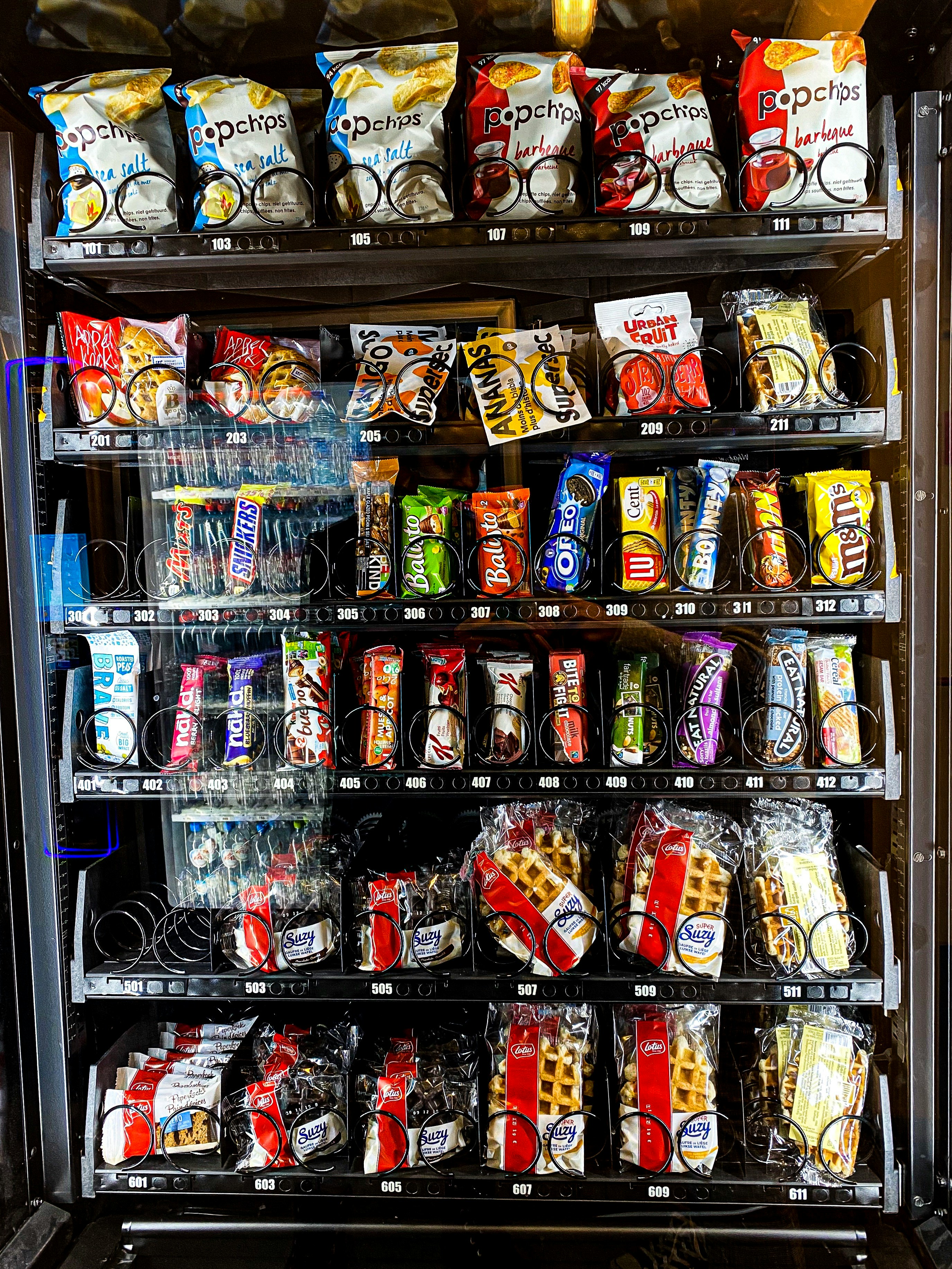
CPG(CONSUMER PACKAGED GOODS)
Sonic Footprint:
Owned Music:
Custom Music:
Licensed Music:
Stock Music:
No Music / Silence:
0.0%
0.0%
0.0%
0.0%
0.0%
0.0%
0.0%
0.0%
0.0%
0.0%
Insight:
This sector invests heavily in unique sound, with very high use of custom music (32.7%) and a low reliance on stock music. This points to a strategy centered on creating distinct, high-production campaigns.

Sub-sectors
BEAUTY & CARE
CPG
Sonic Footprint:
Owned Music:
Custom Music:
Licensed Music:
Stock Music:
No Music / Silence:
0.0%
0.0%
0.0%
0.0%
0.0%
0.0%
0.0%
0.0%
0.0%
0.0%
Insight:
This sub-sector invests heavily in creating a unique sound for its campaigns, with the highest use of custom music (44.2%) within the CPG sector and very low reliance on stock music.
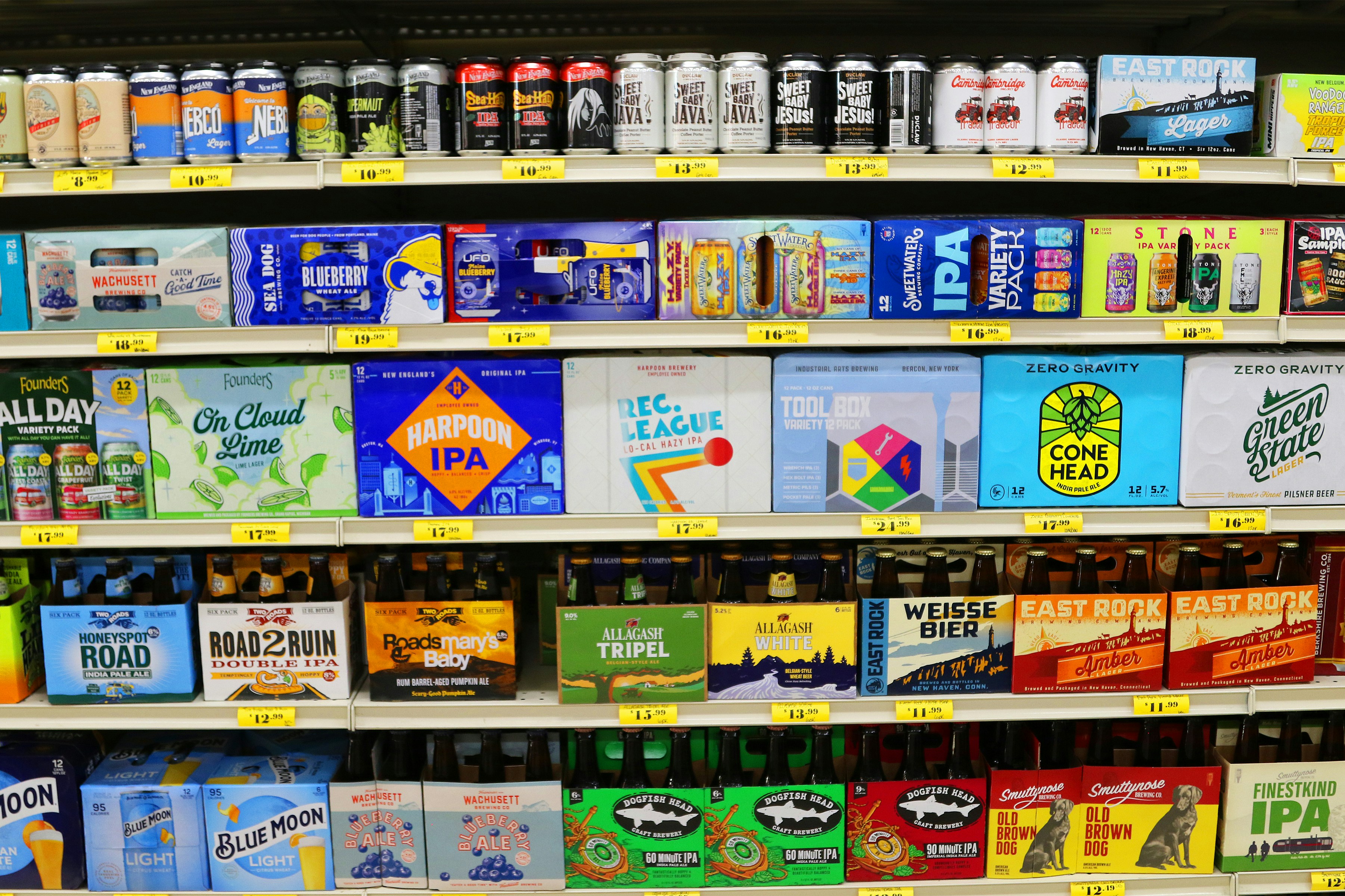
CPG
Sub-sectors
BEVERAGES
Sonic Footprint:
Owned Music:
Custom Music:
Licensed Music:
Stock Music:
No Music / Silence:
0.0%
0.0%
0.0%
0.0%
0.0%
0.0%
0.0%
0.0%
0.0%
0.0%
Insight:
This group is sonically generic, with a very high reliance on stock music (68.4%) and minimal investment in ownable assets.

Sub-sectors
FOOD
CPG
Sonic Footprint:
Owned Music:
Custom Music:
Licensed Music:
Stock Music:
No Music / Silence:
0.0%
0.0%
0.0%
0.0%
0.0%
0.0%
0.0%
0.0%
0.0%
0.0%
Insight:
A balanced approach with a significant use of custom music (30.5%) to create unique campaigns, but this is diluted by a high reliance on stock music.

Sub-sectors
HOUSEHOLD
CPG
Sonic Footprint:
Owned Music:
Custom Music:
Licensed Music:
Stock Music:
No Music / Silence:
0.0%
0.0%
0.0%
0.0%
0.0%
0.0%
0.0%
0.0%
0.0%
0.0%
Insight:
This sub-sector is defined by its heavy use of stock music (65.8%), indicating a low-cost, high-volume content strategy.
CPG(CONSUMER PACKAGED GOODS)
Sonic Footprint:
Owned Music:
Custom Music:
Licensed Music:
Stock Music:
No Music / Silence:
0.0%
0.0%
0.0%
0.0%
0.0%
0.0%
0.0%
0.0%
0.0%
0.0%
Insight:
This sector invests heavily in unique sound, with very high use of custom music (32.7%) and a low reliance on stock music. This points to a strategy centered on creating distinct, high-production campaigns.
Sub-sectors
BEAUTY & CARE
CPG
Sonic Footprint:
Owned Music:
Custom Music:
Licensed Music:
Stock Music:
No Music / Silence:
0.0%
0.0%
0.0%
0.0%
0.0%
0.0%
0.0%
0.0%
0.0%
0.0%
Insight:
This sub-sector invests heavily in creating a unique sound for its campaigns, with the highest use of custom music (44.2%) within the CPG sector and very low reliance on stock music.
CPG
Sub-sectors
BEVERAGES
Sonic Footprint:
Owned Music:
Custom Music:
Licensed Music:
Stock Music:
No Music / Silence:
0.0%
0.0%
0.0%
0.0%
0.0%
0.0%
0.0%
0.0%
0.0%
0.0%
Insight:
This group is sonically generic, with a very high reliance on stock music (68.4%) and minimal investment in ownable assets.
Sub-sectors
FOOD
CPG
Sonic Footprint:
Owned Music:
Custom Music:
Licensed Music:
Stock Music:
No Music / Silence:
0.0%
0.0%
0.0%
0.0%
0.0%
0.0%
0.0%
0.0%
0.0%
0.0%
Insight:
A balanced approach with a significant use of custom music (30.5%) to create unique campaigns, but this is diluted by a high reliance on stock music.
Sub-sectors
HOUSEHOLD
CPG
Sonic Footprint:
Owned Music:
Custom Music:
Licensed Music:
Stock Music:
No Music / Silence:
0.0%
0.0%
0.0%
0.0%
0.0%
0.0%
0.0%
0.0%
0.0%
0.0%
Insight:
This sub-sector is defined by its heavy use of stock music (65.8%), indicating a low-cost, high-volume content strategy.
CPG(CONSUMER PACKAGED GOODS)
Sonic Footprint:
Owned Music:
Custom Music:
Licensed Music:
Stock Music:
No Music / Silence:
0.0%
0.0%
0.0%
0.0%
0.0%
0.0%
0.0%
0.0%
0.0%
0.0%
Insight:
This sector invests heavily in unique sound, with very high use of custom music (32.7%) and a low reliance on stock music. This points to a strategy centered on creating distinct, high-production campaigns.
Sub-sectors
BEAUTY & CARE
CPG
Sonic Footprint:
Owned Music:
Custom Music:
Licensed Music:
Stock Music:
No Music / Silence:
0.0%
0.0%
0.0%
0.0%
0.0%
0.0%
0.0%
0.0%
0.0%
0.0%
Insight:
This sub-sector invests heavily in creating a unique sound for its campaigns, with the highest use of custom music (44.2%) within the CPG sector and very low reliance on stock music.
CPG
Sub-sectors
BEVERAGES
Sonic Footprint:
Owned Music:
Custom Music:
Licensed Music:
Stock Music:
No Music / Silence:
0.0%
0.0%
0.0%
0.0%
0.0%
0.0%
0.0%
0.0%
0.0%
0.0%
Insight:
This group is sonically generic, with a very high reliance on stock music (68.4%) and minimal investment in ownable assets.
Sub-sectors
FOOD
CPG
Sonic Footprint:
Owned Music:
Custom Music:
Licensed Music:
Stock Music:
No Music / Silence:
0.0%
0.0%
0.0%
0.0%
0.0%
0.0%
0.0%
0.0%
0.0%
0.0%
Insight:
A balanced approach with a significant use of custom music (30.5%) to create unique campaigns, but this is diluted by a high reliance on stock music.
Sub-sectors
HOUSEHOLD
CPG
Sonic Footprint:
Owned Music:
Custom Music:
Licensed Music:
Stock Music:
No Music / Silence:
0.0%
0.0%
0.0%
0.0%
0.0%
0.0%
0.0%
0.0%
0.0%
0.0%
Insight:
This sub-sector is defined by its heavy use of stock music (65.8%), indicating a low-cost, high-volume content strategy.
CPG(CONSUMER PACKAGED GOODS)
Sonic Footprint:
Owned Music:
Custom Music:
Licensed Music:
Stock Music:
No Music / Silence:
0.0%
0.0%
0.0%
0.0%
0.0%
0.0%
0.0%
0.0%
0.0%
0.0%
Insight:
This sector invests heavily in unique sound, with very high use of custom music (32.7%) and a low reliance on stock music. This points to a strategy centered on creating distinct, high-production campaigns.
Sub-sectors
BEAUTY & CARE
CPG
Sonic Footprint:
Owned Music:
Custom Music:
Licensed Music:
Stock Music:
No Music / Silence:
0.0%
0.0%
0.0%
0.0%
0.0%
0.0%
0.0%
0.0%
0.0%
0.0%
Insight:
This sub-sector invests heavily in creating a unique sound for its campaigns, with the highest use of custom music (44.2%) within the CPG sector and very low reliance on stock music.
CPG
Sub-sectors
BEVERAGES
Sonic Footprint:
Owned Music:
Custom Music:
Licensed Music:
Stock Music:
No Music / Silence:
0.0%
0.0%
0.0%
0.0%
0.0%
0.0%
0.0%
0.0%
0.0%
0.0%
Insight:
This group is sonically generic, with a very high reliance on stock music (68.4%) and minimal investment in ownable assets.
Sub-sectors
FOOD
CPG
Sonic Footprint:
Owned Music:
Custom Music:
Licensed Music:
Stock Music:
No Music / Silence:
0.0%
0.0%
0.0%
0.0%
0.0%
0.0%
0.0%
0.0%
0.0%
0.0%
Insight:
A balanced approach with a significant use of custom music (30.5%) to create unique campaigns, but this is diluted by a high reliance on stock music.
Sub-sectors
HOUSEHOLD
CPG
Sonic Footprint:
Owned Music:
Custom Music:
Licensed Music:
Stock Music:
No Music / Silence:
0.0%
0.0%
0.0%
0.0%
0.0%
0.0%
0.0%
0.0%
0.0%
0.0%
Insight:
This sub-sector is defined by its heavy use of stock music (65.8%), indicating a low-cost, high-volume content strategy.

FOOD SERVICES
Sonic Footprint:
Owned Music:
Custom Music:
Licensed Music:
Stock Music:
No Music / Silence:
0.0%
0.0%
0.0%
0.0%
0.0%
0.0%
0.0%
0.0%
0.0%
0.0%
Insight:
Similar to CPG, this sector focuses on unique campaign audio, with the second-highest use of custom music (36.9%). They prioritize a unique sound over a low-cost, generic approach.

FAST FOOD
Sub-sectors
FOOD SERVICES
Sonic Footprint:
Owned Music:
Custom Music:
Licensed Music:
Stock Music:
No Music / Silence:
0.0%
0.0%
0.0%
0.0%
0.0%
0.0%
0.0%
0.0%
0.0%
0.0%
Insight:
This sub-sector is defined by its massive investment in custom music (41.0%), the highest of any sub-sector. It prioritizes a unique and energetic sound for its campaigns.

FOOD DELIVERY
Sub-sectors
FOOD SERVICES
Sonic Footprint:
Owned Music:
Custom Music:
Licensed Music:
Stock Music:
No Music / Silence:
0.0%
0.0%
0.0%
0.0%
0.0%
0.0%
0.0%
0.0%
0.0%
0.0%
Insight:
Similar to Fast Food, this sub-sector invests heavily in custom music (32.8%)to create a distinct feel for its services and campaigns
FOOD SERVICES
Sonic Footprint:
Owned Music:
Custom Music:
Licensed Music:
Stock Music:
No Music / Silence:
0.0%
0.0%
0.0%
0.0%
0.0%
0.0%
0.0%
0.0%
0.0%
0.0%
Insight:
Similar to CPG, this sector focuses on unique campaign audio, with the second-highest use of custom music (36.9%). They prioritize a unique sound over a low-cost, generic approach.
FAST FOOD
Sub-sectors
FOOD SERVICES
Sonic Footprint:
Owned Music:
Custom Music:
Licensed Music:
Stock Music:
No Music / Silence:
0.0%
0.0%
0.0%
0.0%
0.0%
0.0%
0.0%
0.0%
0.0%
0.0%
Insight:
This sub-sector is defined by its massive investment in custom music (41.0%), the highest of any sub-sector. It prioritizes a unique and energetic sound for its campaigns.
FOOD DELIVERY
Sub-sectors
FOOD SERVICES
Sonic Footprint:
Owned Music:
Custom Music:
Licensed Music:
Stock Music:
No Music / Silence:
0.0%
0.0%
0.0%
0.0%
0.0%
0.0%
0.0%
0.0%
0.0%
0.0%
Insight:
Similar to Fast Food, this sub-sector invests heavily in custom music (32.8%)to create a distinct feel for its services and campaigns
FOOD SERVICES
Sonic Footprint:
Owned Music:
Custom Music:
Licensed Music:
Stock Music:
No Music / Silence:
0.0%
0.0%
0.0%
0.0%
0.0%
0.0%
0.0%
0.0%
0.0%
0.0%
Insight:
Similar to CPG, this sector focuses on unique campaign audio, with the second-highest use of custom music (36.9%). They prioritize a unique sound over a low-cost, generic approach.
FAST FOOD
Sub-sectors
FOOD SERVICES
Sonic Footprint:
Owned Music:
Custom Music:
Licensed Music:
Stock Music:
No Music / Silence:
0.0%
0.0%
0.0%
0.0%
0.0%
0.0%
0.0%
0.0%
0.0%
0.0%
Insight:
This sub-sector is defined by its massive investment in custom music (41.0%), the highest of any sub-sector. It prioritizes a unique and energetic sound for its campaigns.
FOOD DELIVERY
Sub-sectors
FOOD SERVICES
Sonic Footprint:
Owned Music:
Custom Music:
Licensed Music:
Stock Music:
No Music / Silence:
0.0%
0.0%
0.0%
0.0%
0.0%
0.0%
0.0%
0.0%
0.0%
0.0%
Insight:
Similar to Fast Food, this sub-sector invests heavily in custom music (32.8%)to create a distinct feel for its services and campaigns
FOOD SERVICES
Sonic Footprint:
Owned Music:
Custom Music:
Licensed Music:
Stock Music:
No Music / Silence:
0.0%
0.0%
0.0%
0.0%
0.0%
0.0%
0.0%
0.0%
0.0%
0.0%
Insight:
Similar to CPG, this sector focuses on unique campaign audio, with the second-highest use of custom music (36.9%). They prioritize a unique sound over a low-cost, generic approach.
FAST FOOD
Sub-sectors
FOOD SERVICES
Sonic Footprint:
Owned Music:
Custom Music:
Licensed Music:
Stock Music:
No Music / Silence:
0.0%
0.0%
0.0%
0.0%
0.0%
0.0%
0.0%
0.0%
0.0%
0.0%
Insight:
This sub-sector is defined by its massive investment in custom music (41.0%), the highest of any sub-sector. It prioritizes a unique and energetic sound for its campaigns.
FOOD DELIVERY
Sub-sectors
FOOD SERVICES
Sonic Footprint:
Owned Music:
Custom Music:
Licensed Music:
Stock Music:
No Music / Silence:
0.0%
0.0%
0.0%
0.0%
0.0%
0.0%
0.0%
0.0%
0.0%
0.0%
Insight:
Similar to Fast Food, this sub-sector invests heavily in custom music (32.8%)to create a distinct feel for its services and campaigns

AUTOMOTIVE
Sonic Footprint:
Owned Music:
Custom Music:
Licensed Music:
Stock Music:
No Music / Silence:
0.0%
0.0%
0.0%
0.0%
0.0%
0.0%
0.0%
0.0%
0.0%
0.0%
Insight:
This sector shows a strong preference for custom music (29.4%), indicating a focus on high-production campaigns. However, this is balanced by a significant reliance on stock music.

PREMIUM & LUXURY
Sonic Footprint:
Owned Music:
Custom Music:
Licensed Music:
Stock Music:
No Music / Silence:
0.0%
0.0%
0.0%
0.0%
0.0%
0.0%
0.0%
0.0%
0.0%
0.0%
Insight:
This sub-sector focuses heavily on creating a premium, unique feel for its campaigns, with a very high investment in custom music (34.1%)

VOLUME
Sonic Footprint:
Owned Music:
Custom Music:
Licensed Music:
Stock Music:
No Music / Silence:
0.0%
0.0%
0.0%
0.0%
0.0%
0.0%
0.0%
0.0%
0.0%
0.0%
Insight:
In contrast to the Premium sub-sector, the Volume automotive brands are highly reliant on generic stock music (60.2%)and have a much lower investment inownable assets
AUTOMOTIVE
Sonic Footprint:
Owned Music:
Custom Music:
Licensed Music:
Stock Music:
No Music / Silence:
0.0%
0.0%
0.0%
0.0%
0.0%
0.0%
0.0%
0.0%
0.0%
0.0%
Insight:
This sector shows a strong preference for custom music (29.4%), indicating a focus on high-production campaigns. However, this is balanced by a significant reliance on stock music.
PREMIUM & LUXURY
Sonic Footprint:
Owned Music:
Custom Music:
Licensed Music:
Stock Music:
No Music / Silence:
0.0%
0.0%
0.0%
0.0%
0.0%
0.0%
0.0%
0.0%
0.0%
0.0%
Insight:
This sub-sector focuses heavily on creating a premium, unique feel for its campaigns, with a very high investment in custom music (34.1%)
VOLUME
Sonic Footprint:
Owned Music:
Custom Music:
Licensed Music:
Stock Music:
No Music / Silence:
0.0%
0.0%
0.0%
0.0%
0.0%
0.0%
0.0%
0.0%
0.0%
0.0%
Insight:
In contrast to the Premium sub-sector, the Volume automotive brands are highly reliant on generic stock music (60.2%)and have a much lower investment inownable assets
AUTOMOTIVE
Sonic Footprint:
Owned Music:
Custom Music:
Licensed Music:
Stock Music:
No Music / Silence:
0.0%
0.0%
0.0%
0.0%
0.0%
0.0%
0.0%
0.0%
0.0%
0.0%
Insight:
This sector shows a strong preference for custom music (29.4%), indicating a focus on high-production campaigns. However, this is balanced by a significant reliance on stock music.
PREMIUM & LUXURY
Sonic Footprint:
Owned Music:
Custom Music:
Licensed Music:
Stock Music:
No Music / Silence:
0.0%
0.0%
0.0%
0.0%
0.0%
0.0%
0.0%
0.0%
0.0%
0.0%
Insight:
This sub-sector focuses heavily on creating a premium, unique feel for its campaigns, with a very high investment in custom music (34.1%)
VOLUME
Sonic Footprint:
Owned Music:
Custom Music:
Licensed Music:
Stock Music:
No Music / Silence:
0.0%
0.0%
0.0%
0.0%
0.0%
0.0%
0.0%
0.0%
0.0%
0.0%
Insight:
In contrast to the Premium sub-sector, the Volume automotive brands are highly reliant on generic stock music (60.2%)and have a much lower investment inownable assets
AUTOMOTIVE
Sonic Footprint:
Owned Music:
Custom Music:
Licensed Music:
Stock Music:
No Music / Silence:
0.0%
0.0%
0.0%
0.0%
0.0%
0.0%
0.0%
0.0%
0.0%
0.0%
Insight:
This sector shows a strong preference for custom music (29.4%), indicating a focus on high-production campaigns. However, this is balanced by a significant reliance on stock music.
PREMIUM & LUXURY
Sonic Footprint:
Owned Music:
Custom Music:
Licensed Music:
Stock Music:
No Music / Silence:
0.0%
0.0%
0.0%
0.0%
0.0%
0.0%
0.0%
0.0%
0.0%
0.0%
Insight:
This sub-sector focuses heavily on creating a premium, unique feel for its campaigns, with a very high investment in custom music (34.1%)
VOLUME
Sonic Footprint:
Owned Music:
Custom Music:
Licensed Music:
Stock Music:
No Music / Silence:
0.0%
0.0%
0.0%
0.0%
0.0%
0.0%
0.0%
0.0%
0.0%
0.0%
Insight:
In contrast to the Premium sub-sector, the Volume automotive brands are highly reliant on generic stock music (60.2%)and have a much lower investment inownable assets

APPAREL & LUXURY
Sonic Footprint:
Owned Music:
Custom Music:
Licensed Music:
Stock Music:
No Music / Silence:
0.0%
0.0%
0.0%
0.0%
0.0%
0.0%
0.0%
0.0%
0.0%
0.0%
Insight:
This sector's strategy is defined by high spending on non-owned assets, with the highest use of licensed music (28.5%) and very high use of custom music. There is virtually no investment in ownable assets.

ELECTRONICS
Sonic Footprint:
Owned Music:
Custom Music:
Licensed Music:
Stock Music:
No Music / Silence:
0.0%
0.0%
0.0%
0.0%
0.0%
0.0%
0.0%
0.0%
0.0%
0.0%
Insight:
This sector has a balanced but largely unowned audio strategy, with a significant reliance on stock music that is offset by a healthy investment in custom tracks for specific campaigns.
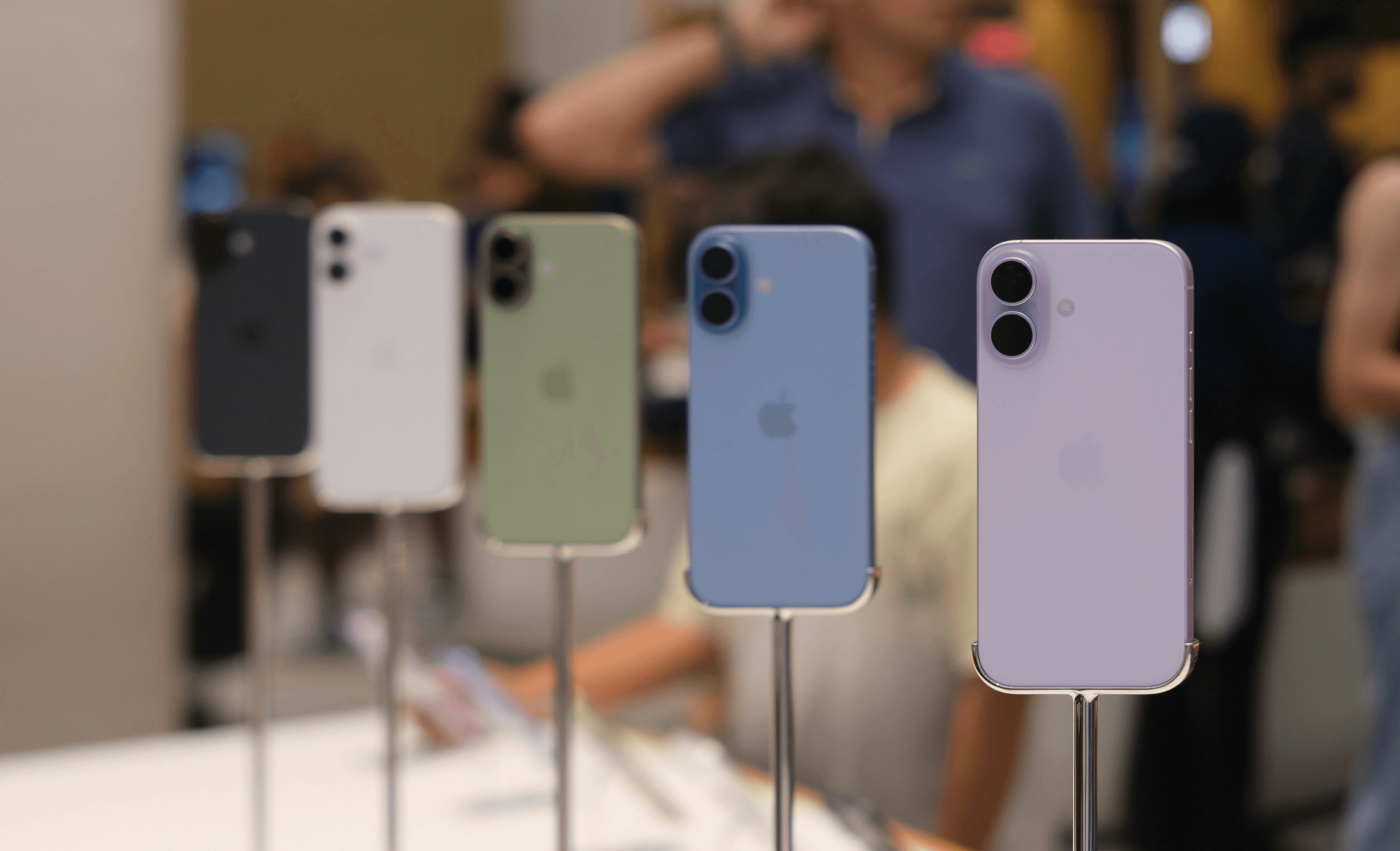
COMPUTERS & MOBILE
Sonic Footprint:
Owned Music:
Custom Music:
Licensed Music:
Stock Music:
No Music / Silence:
0.0%
0.0%
0.0%
0.0%
0.0%
0.0%
0.0%
0.0%
0.0%
0.0%
Insight:
A balanced strategy with a healthy investment in custom music (27.8%) for campaigns, offset by a significant reliance on stock music.
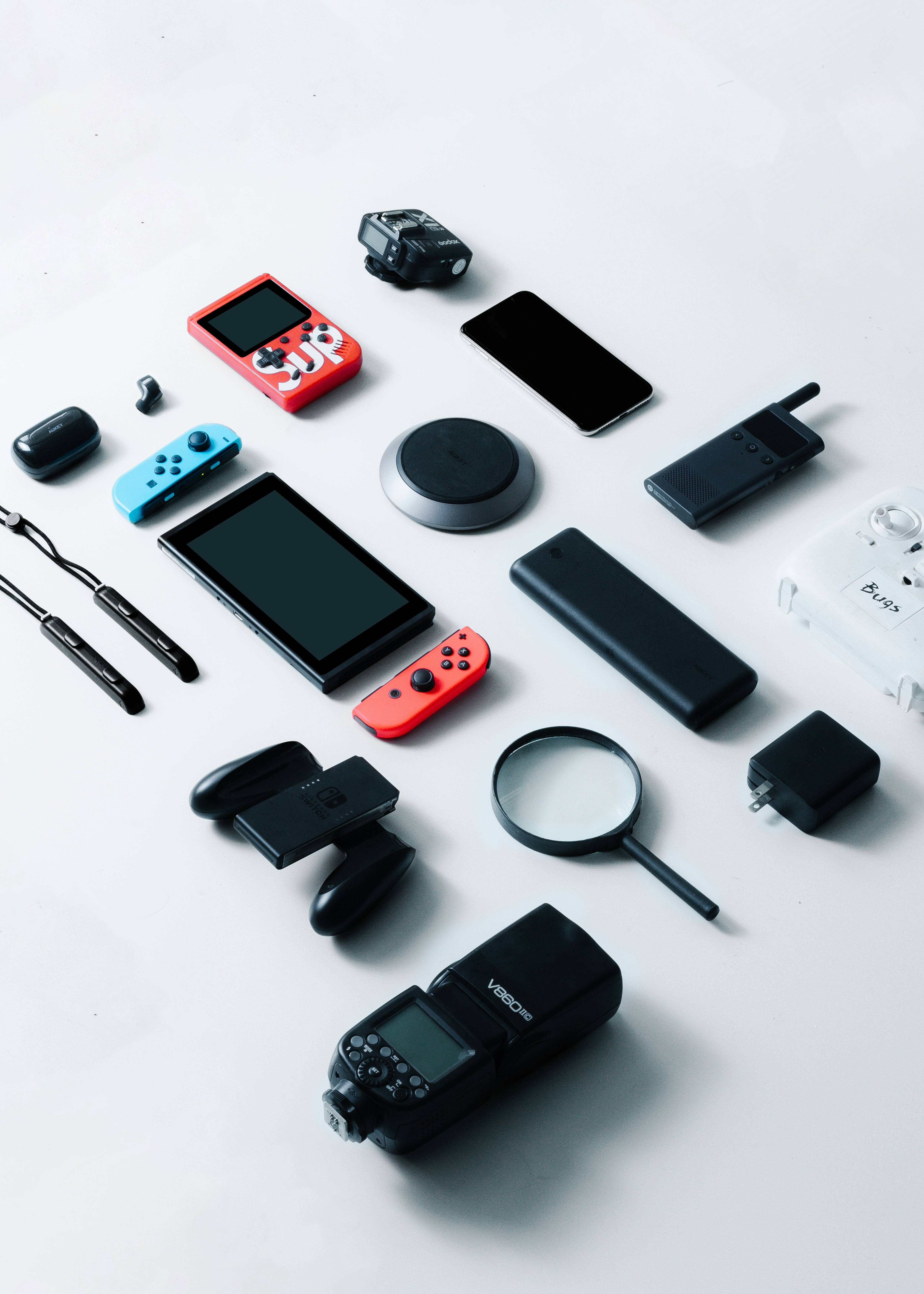
CONSUMER ELECTRONICS
Sonic Footprint:
Owned Music:
Custom Music:
Licensed Music:
Stock Music:
No Music / Silence:
0.0%
0.0%
0.0%
0.0%
0.0%
0.0%
0.0%
0.0%
0.0%
0.0%
Insight:
Similar to Computers & Mobile, this sub-sector relies on a mix of unique custom music for specific campaigns and a heavy use of generic stock music for volume.
ELECTRONICS
Sonic Footprint:
Owned Music:
Custom Music:
Licensed Music:
Stock Music:
No Music / Silence:
0.0%
0.0%
0.0%
0.0%
0.0%
0.0%
0.0%
0.0%
0.0%
0.0%
Insight:
This sector has a balanced but largely unowned audio strategy, with a significant reliance on stock music that is offset by a healthy investment in custom tracks for specific campaigns.
COMPUTERS & MOBILE
Sonic Footprint:
Owned Music:
Custom Music:
Licensed Music:
Stock Music:
No Music / Silence:
0.0%
0.0%
0.0%
0.0%
0.0%
0.0%
0.0%
0.0%
0.0%
0.0%
Insight:
A balanced strategy with a healthy investment in custom music (27.8%) for campaigns, offset by a significant reliance on stock music.
CONSUMER ELECTRONICS
Sonic Footprint:
Owned Music:
Custom Music:
Licensed Music:
Stock Music:
No Music / Silence:
0.0%
0.0%
0.0%
0.0%
0.0%
0.0%
0.0%
0.0%
0.0%
0.0%
Insight:
Similar to Computers & Mobile, this sub-sector relies on a mix of unique custom music for specific campaigns and a heavy use of generic stock music for volume.
ELECTRONICS
Sonic Footprint:
Owned Music:
Custom Music:
Licensed Music:
Stock Music:
No Music / Silence:
0.0%
0.0%
0.0%
0.0%
0.0%
0.0%
0.0%
0.0%
0.0%
0.0%
Insight:
This sector has a balanced but largely unowned audio strategy, with a significant reliance on stock music that is offset by a healthy investment in custom tracks for specific campaigns.
COMPUTERS & MOBILE
Sonic Footprint:
Owned Music:
Custom Music:
Licensed Music:
Stock Music:
No Music / Silence:
0.0%
0.0%
0.0%
0.0%
0.0%
0.0%
0.0%
0.0%
0.0%
0.0%
Insight:
A balanced strategy with a healthy investment in custom music (27.8%) for campaigns, offset by a significant reliance on stock music.
CONSUMER ELECTRONICS
Sonic Footprint:
Owned Music:
Custom Music:
Licensed Music:
Stock Music:
No Music / Silence:
0.0%
0.0%
0.0%
0.0%
0.0%
0.0%
0.0%
0.0%
0.0%
0.0%
Insight:
Similar to Computers & Mobile, this sub-sector relies on a mix of unique custom music for specific campaigns and a heavy use of generic stock music for volume.
ELECTRONICS
Sonic Footprint:
Owned Music:
Custom Music:
Licensed Music:
Stock Music:
No Music / Silence:
0.0%
0.0%
0.0%
0.0%
0.0%
0.0%
0.0%
0.0%
0.0%
0.0%
Insight:
This sector has a balanced but largely unowned audio strategy, with a significant reliance on stock music that is offset by a healthy investment in custom tracks for specific campaigns.
COMPUTERS & MOBILE
Sonic Footprint:
Owned Music:
Custom Music:
Licensed Music:
Stock Music:
No Music / Silence:
0.0%
0.0%
0.0%
0.0%
0.0%
0.0%
0.0%
0.0%
0.0%
0.0%
Insight:
A balanced strategy with a healthy investment in custom music (27.8%) for campaigns, offset by a significant reliance on stock music.
CONSUMER ELECTRONICS
Sonic Footprint:
Owned Music:
Custom Music:
Licensed Music:
Stock Music:
No Music / Silence:
0.0%
0.0%
0.0%
0.0%
0.0%
0.0%
0.0%
0.0%
0.0%
0.0%
Insight:
Similar to Computers & Mobile, this sub-sector relies on a mix of unique custom music for specific campaigns and a heavy use of generic stock music for volume.

FINANCIAL SERVICES
Sonic Footprint:
Owned Music:
Custom Music:
Licensed Music:
Stock Music:
No Music / Silence:
0.0%
0.0%
0.0%
0.0%
0.0%
0.0%
0.0%
0.0%
0.0%
0.0%
Insight:
A relatively strong performer, this sector shows a healthy investment in owned music (12.8%). However, this is diluted by a significant reliance on generic stock music.

BANKING
Sonic Footprint:
Owned Music:
Custom Music:
Licensed Music:
Stock Music:
No Music / Silence:
0.0%
0.0%
0.0%
0.0%
0.0%
0.0%
0.0%
0.0%
0.0%
0.0%
Insight:
A strong and balanced sub-sector, with healthy investments in both owned (15.8%) and custom (22.8%) music, showing a strategy that builds equity while also creating unique
campaign audio.
INSURANCE
Sonic Footprint:
Owned Music:
Custom Music:
Licensed Music:
Stock Music:
No Music / Silence:
0.0%
0.0%
0.0%
0.0%
0.0%
0.0%
0.0%
0.0%
0.0%
0.0%
Insight:
This sub-sector invests in unique sound for its campaigns with a good level of custom music (18.8%), but this is diluted by a heavy reliance on stock music.
PAYMENT & FINTECH
Sonic Footprint:
Owned Music:
Custom Music:
Licensed Music:
Stock Music:
No Music / Silence:
0.0%
0.0%
0.0%
0.0%
0.0%
0.0%
0.0%
0.0%
0.0%
0.0%
Insight:
This sub-sector shows a strong focus on creating unique campaign audio with a high use of custom music (22.0%), but has not yet translated this into a significant portfolio of owned assets.
FINANCIAL SERVICES
Sonic Footprint:
Owned Music:
Custom Music:
Licensed Music:
Stock Music:
No Music / Silence:
0.0%
0.0%
0.0%
0.0%
0.0%
0.0%
0.0%
0.0%
0.0%
0.0%
Insight:
A relatively strong performer, this sector shows a healthy investment in owned music (12.8%). However, this is diluted by a significant reliance on generic stock music.
BANKING
Sonic Footprint:
Owned Music:
Custom Music:
Licensed Music:
Stock Music:
No Music / Silence:
0.0%
0.0%
0.0%
0.0%
0.0%
0.0%
0.0%
0.0%
0.0%
0.0%
Insight:
A strong and balanced sub-sector, with healthy investments in both owned (15.8%) and custom (22.8%) music, showing a strategy that builds equity while also creating unique
campaign audio.INSURANCE
Sonic Footprint:
Owned Music:
Custom Music:
Licensed Music:
Stock Music:
No Music / Silence:
0.0%
0.0%
0.0%
0.0%
0.0%
0.0%
0.0%
0.0%
0.0%
0.0%
Insight:
This sub-sector invests in unique sound for its campaigns with a good level of custom music (18.8%), but this is diluted by a heavy reliance on stock music.
PAYMENT & FINTECH
Sonic Footprint:
Owned Music:
Custom Music:
Licensed Music:
Stock Music:
No Music / Silence:
0.0%
0.0%
0.0%
0.0%
0.0%
0.0%
0.0%
0.0%
0.0%
0.0%
Insight:
This sub-sector shows a strong focus on creating unique campaign audio with a high use of custom music (22.0%), but has not yet translated this into a significant portfolio of owned assets.
FINANCIAL SERVICES
Sonic Footprint:
Owned Music:
Custom Music:
Licensed Music:
Stock Music:
No Music / Silence:
0.0%
0.0%
0.0%
0.0%
0.0%
0.0%
0.0%
0.0%
0.0%
0.0%
Insight:
A relatively strong performer, this sector shows a healthy investment in owned music (12.8%). However, this is diluted by a significant reliance on generic stock music.
BANKING
Sonic Footprint:
Owned Music:
Custom Music:
Licensed Music:
Stock Music:
No Music / Silence:
0.0%
0.0%
0.0%
0.0%
0.0%
0.0%
0.0%
0.0%
0.0%
0.0%
Insight:
A strong and balanced sub-sector, with healthy investments in both owned (15.8%) and custom (22.8%) music, showing a strategy that builds equity while also creating unique
campaign audio.INSURANCE
Sonic Footprint:
Owned Music:
Custom Music:
Licensed Music:
Stock Music:
No Music / Silence:
0.0%
0.0%
0.0%
0.0%
0.0%
0.0%
0.0%
0.0%
0.0%
0.0%
Insight:
This sub-sector invests in unique sound for its campaigns with a good level of custom music (18.8%), but this is diluted by a heavy reliance on stock music.
PAYMENT & FINTECH
Sonic Footprint:
Owned Music:
Custom Music:
Licensed Music:
Stock Music:
No Music / Silence:
0.0%
0.0%
0.0%
0.0%
0.0%
0.0%
0.0%
0.0%
0.0%
0.0%
Insight:
This sub-sector shows a strong focus on creating unique campaign audio with a high use of custom music (22.0%), but has not yet translated this into a significant portfolio of owned assets.
FINANCIAL SERVICES
Sonic Footprint:
Owned Music:
Custom Music:
Licensed Music:
Stock Music:
No Music / Silence:
0.0%
0.0%
0.0%
0.0%
0.0%
0.0%
0.0%
0.0%
0.0%
0.0%
Insight:
A relatively strong performer, this sector shows a healthy investment in owned music (12.8%). However, this is diluted by a significant reliance on generic stock music.
BANKING
Sonic Footprint:
Owned Music:
Custom Music:
Licensed Music:
Stock Music:
No Music / Silence:
0.0%
0.0%
0.0%
0.0%
0.0%
0.0%
0.0%
0.0%
0.0%
0.0%
Insight:
A strong and balanced sub-sector, with healthy investments in both owned (15.8%) and custom (22.8%) music, showing a strategy that builds equity while also creating unique
campaign audio.INSURANCE
Sonic Footprint:
Owned Music:
Custom Music:
Licensed Music:
Stock Music:
No Music / Silence:
0.0%
0.0%
0.0%
0.0%
0.0%
0.0%
0.0%
0.0%
0.0%
0.0%
Insight:
This sub-sector invests in unique sound for its campaigns with a good level of custom music (18.8%), but this is diluted by a heavy reliance on stock music.
PAYMENT & FINTECH
Sonic Footprint:
Owned Music:
Custom Music:
Licensed Music:
Stock Music:
No Music / Silence:
0.0%
0.0%
0.0%
0.0%
0.0%
0.0%
0.0%
0.0%
0.0%
0.0%
Insight:
This sub-sector shows a strong focus on creating unique campaign audio with a high use of custom music (22.0%), but has not yet translated this into a significant portfolio of owned assets.

TECHNOLOGY
Sonic Footprint:
Owned Music:
Custom Music:
Licensed Music:
Stock Music:
No Music / Silence:
0.0%
0.0%
0.0%
0.0%
0.0%
0.0%
0.0%
0.0%
0.0%
0.0%
Insight:
This sector has a very low investment in owned music (1.0%). While it invests in custom music for campaigns, its overall sound is heavily reliant on stock music.

COMPONENTS & TECHNOLOGY
Sonic Footprint:
Owned Music:
Custom Music:
Licensed Music:
Stock Music:
No Music / Silence:
0.0%
0.0%
0.0%
0.0%
0.0%
0.0%
0.0%
0.0%
0.0%
0.0%
Insight:
This sub-sector invests in custom music (23.3%) for its communications but has zero investment in ownable assets, representing a missed opportunity.

SOFTWARE
Sonic Footprint:
Owned Music:
Custom Music:
Licensed Music:
Stock Music:
No Music / Silence:
0.0%
0.0%
0.0%
0.0%
0.0%
0.0%
0.0%
0.0%
0.0%
0.0%
Insight:
A generic sonic presence defined by a high reliance on stock music (54.0%) and very little investment in owned music.

TELECOMMUNICATION
Sonic Footprint:
Owned Music:
Custom Music:
Licensed Music:
Stock Music:
No Music / Silence:
0.0%
0.0%
0.0%
0.0%
0.0%
0.0%
0.0%
0.0%
0.0%
0.0%
Insight:
Relies heavily on stock music (58.8%) with minimal investment in ownable assets, resulting in a generic sound.
TECHNOLOGY
Sonic Footprint:
Owned Music:
Custom Music:
Licensed Music:
Stock Music:
No Music / Silence:
0.0%
0.0%
0.0%
0.0%
0.0%
0.0%
0.0%
0.0%
0.0%
0.0%
Insight:
This sector has a very low investment in owned music (1.0%). While it invests in custom music for campaigns, its overall sound is heavily reliant on stock music.
COMPONENTS & TECHNOLOGY
Sonic Footprint:
Owned Music:
Custom Music:
Licensed Music:
Stock Music:
No Music / Silence:
0.0%
0.0%
0.0%
0.0%
0.0%
0.0%
0.0%
0.0%
0.0%
0.0%
Insight:
This sub-sector invests in custom music (23.3%) for its communications but has zero investment in ownable assets, representing a missed opportunity.
SOFTWARE
Sonic Footprint:
Owned Music:
Custom Music:
Licensed Music:
Stock Music:
No Music / Silence:
0.0%
0.0%
0.0%
0.0%
0.0%
0.0%
0.0%
0.0%
0.0%
0.0%
Insight:
A generic sonic presence defined by a high reliance on stock music (54.0%) and very little investment in owned music.
TELECOMMUNICATION
Sonic Footprint:
Owned Music:
Custom Music:
Licensed Music:
Stock Music:
No Music / Silence:
0.0%
0.0%
0.0%
0.0%
0.0%
0.0%
0.0%
0.0%
0.0%
0.0%
Insight:
Relies heavily on stock music (58.8%) with minimal investment in ownable assets, resulting in a generic sound.
TECHNOLOGY
Sonic Footprint:
Owned Music:
Custom Music:
Licensed Music:
Stock Music:
No Music / Silence:
0.0%
0.0%
0.0%
0.0%
0.0%
0.0%
0.0%
0.0%
0.0%
0.0%
Insight:
This sector has a very low investment in owned music (1.0%). While it invests in custom music for campaigns, its overall sound is heavily reliant on stock music.
COMPONENTS & TECHNOLOGY
Sonic Footprint:
Owned Music:
Custom Music:
Licensed Music:
Stock Music:
No Music / Silence:
0.0%
0.0%
0.0%
0.0%
0.0%
0.0%
0.0%
0.0%
0.0%
0.0%
Insight:
This sub-sector invests in custom music (23.3%) for its communications but has zero investment in ownable assets, representing a missed opportunity.
SOFTWARE
Sonic Footprint:
Owned Music:
Custom Music:
Licensed Music:
Stock Music:
No Music / Silence:
0.0%
0.0%
0.0%
0.0%
0.0%
0.0%
0.0%
0.0%
0.0%
0.0%
Insight:
A generic sonic presence defined by a high reliance on stock music (54.0%) and very little investment in owned music.
TELECOMMUNICATION
Sonic Footprint:
Owned Music:
Custom Music:
Licensed Music:
Stock Music:
No Music / Silence:
0.0%
0.0%
0.0%
0.0%
0.0%
0.0%
0.0%
0.0%
0.0%
0.0%
Insight:
Relies heavily on stock music (58.8%) with minimal investment in ownable assets, resulting in a generic sound.
TECHNOLOGY
Sonic Footprint:
Owned Music:
Custom Music:
Licensed Music:
Stock Music:
No Music / Silence:
0.0%
0.0%
0.0%
0.0%
0.0%
0.0%
0.0%
0.0%
0.0%
0.0%
Insight:
This sector has a very low investment in owned music (1.0%). While it invests in custom music for campaigns, its overall sound is heavily reliant on stock music.
COMPONENTS & TECHNOLOGY
Sonic Footprint:
Owned Music:
Custom Music:
Licensed Music:
Stock Music:
No Music / Silence:
0.0%
0.0%
0.0%
0.0%
0.0%
0.0%
0.0%
0.0%
0.0%
0.0%
Insight:
This sub-sector invests in custom music (23.3%) for its communications but has zero investment in ownable assets, representing a missed opportunity.
SOFTWARE
Sonic Footprint:
Owned Music:
Custom Music:
Licensed Music:
Stock Music:
No Music / Silence:
0.0%
0.0%
0.0%
0.0%
0.0%
0.0%
0.0%
0.0%
0.0%
0.0%
Insight:
A generic sonic presence defined by a high reliance on stock music (54.0%) and very little investment in owned music.
TELECOMMUNICATION
Sonic Footprint:
Owned Music:
Custom Music:
Licensed Music:
Stock Music:
No Music / Silence:
0.0%
0.0%
0.0%
0.0%
0.0%
0.0%
0.0%
0.0%
0.0%
0.0%
Insight:
Relies heavily on stock music (58.8%) with minimal investment in ownable assets, resulting in a generic sound.

HEALTHCARE
Sonic Footprint:
Owned Music:
Custom Music:
Licensed Music:
Stock Music:
No Music / Silence:
0.0%
0.0%
0.0%
0.0%
0.0%
0.0%
0.0%
0.0%
0.0%
0.0%
Insight:
This sector leans heavily on stock music (58.0%) and has a low investment in unique audio (either owned or custom), resulting in a largely generic sonic presence.

MEDICAL TECHNOLOGY
Sonic Footprint:
Owned Music:
Custom Music:
Licensed Music:
Stock Music:
No Music / Silence:
0.0%
0.0%
0.0%
0.0%
0.0%
0.0%
0.0%
0.0%
0.0%
0.0%
Insight:
Leans on a mix of custom music for specific communications and a heavy reliance on generic stock music.

PHARMACEUTICAL
Sonic Footprint:
Owned Music:
Custom Music:
Licensed Music:
Stock Music:
No Music / Silence:
0.0%
0.0%
0.0%
0.0%
0.0%
0.0%
0.0%
0.0%
0.0%
0.0%
Insight:
This sub-sector is largely generic from a sonic perspective, with a very high reliance on stock music (61.0%).
HEALTHCARE
Sonic Footprint:
Owned Music:
Custom Music:
Licensed Music:
Stock Music:
No Music / Silence:
0.0%
0.0%
0.0%
0.0%
0.0%
0.0%
0.0%
0.0%
0.0%
0.0%
Insight:
This sector leans heavily on stock music (58.0%) and has a low investment in unique audio (either owned or custom), resulting in a largely generic sonic presence.
MEDICAL TECHNOLOGY
Sonic Footprint:
Owned Music:
Custom Music:
Licensed Music:
Stock Music:
No Music / Silence:
0.0%
0.0%
0.0%
0.0%
0.0%
0.0%
0.0%
0.0%
0.0%
0.0%
Insight:
Leans on a mix of custom music for specific communications and a heavy reliance on generic stock music.
PHARMACEUTICAL
Sonic Footprint:
Owned Music:
Custom Music:
Licensed Music:
Stock Music:
No Music / Silence:
0.0%
0.0%
0.0%
0.0%
0.0%
0.0%
0.0%
0.0%
0.0%
0.0%
Insight:
This sub-sector is largely generic from a sonic perspective, with a very high reliance on stock music (61.0%).
HEALTHCARE
Sonic Footprint:
Owned Music:
Custom Music:
Licensed Music:
Stock Music:
No Music / Silence:
0.0%
0.0%
0.0%
0.0%
0.0%
0.0%
0.0%
0.0%
0.0%
0.0%
Insight:
This sector leans heavily on stock music (58.0%) and has a low investment in unique audio (either owned or custom), resulting in a largely generic sonic presence.
MEDICAL TECHNOLOGY
Sonic Footprint:
Owned Music:
Custom Music:
Licensed Music:
Stock Music:
No Music / Silence:
0.0%
0.0%
0.0%
0.0%
0.0%
0.0%
0.0%
0.0%
0.0%
0.0%
Insight:
Leans on a mix of custom music for specific communications and a heavy reliance on generic stock music.
PHARMACEUTICAL
Sonic Footprint:
Owned Music:
Custom Music:
Licensed Music:
Stock Music:
No Music / Silence:
0.0%
0.0%
0.0%
0.0%
0.0%
0.0%
0.0%
0.0%
0.0%
0.0%
Insight:
This sub-sector is largely generic from a sonic perspective, with a very high reliance on stock music (61.0%).
HEALTHCARE
Sonic Footprint:
Owned Music:
Custom Music:
Licensed Music:
Stock Music:
No Music / Silence:
0.0%
0.0%
0.0%
0.0%
0.0%
0.0%
0.0%
0.0%
0.0%
0.0%
Insight:
This sector leans heavily on stock music (58.0%) and has a low investment in unique audio (either owned or custom), resulting in a largely generic sonic presence.
MEDICAL TECHNOLOGY
Sonic Footprint:
Owned Music:
Custom Music:
Licensed Music:
Stock Music:
No Music / Silence:
0.0%
0.0%
0.0%
0.0%
0.0%
0.0%
0.0%
0.0%
0.0%
0.0%
Insight:
Leans on a mix of custom music for specific communications and a heavy reliance on generic stock music.
PHARMACEUTICAL
Sonic Footprint:
Owned Music:
Custom Music:
Licensed Music:
Stock Music:
No Music / Silence:
0.0%
0.0%
0.0%
0.0%
0.0%
0.0%
0.0%
0.0%
0.0%
0.0%
Insight:
This sub-sector is largely generic from a sonic perspective, with a very high reliance on stock music (61.0%).

TRAVEL & TRANSPORTATION
Sonic Footprint:
Owned Music:
Custom Music:
Licensed Music:
Stock Music:
No Music / Silence:
0.0%
0.0%
0.0%
0.0%
0.0%
0.0%
0.0%
0.0%
0.0%
0.0%
Insight:
This sector has a high reliance on stock music (59.3%) and a very low investment in ownable assets, indicating a tactical, low-cost approach to its sound.

ACCOMODATION
Sonic Footprint:
Owned Music:
Custom Music:
Licensed Music:
Stock Music:
No Music / Silence:
0.0%
0.0%
0.0%
0.0%
0.0%
0.0%
0.0%
0.0%
0.0%
0.0%
Insight:
A high reliance on stock music (60.0%) defines this sub-sector's generic sound.

AVIATION
Sonic Footprint:
Owned Music:
Custom Music:
Licensed Music:
Stock Music:
No Music / Silence:
0.0%
0.0%
0.0%
0.0%
0.0%
0.0%
0.0%
0.0%
0.0%
0.0%
Insight:
This sub-sector's sound is largely generic due to its heavy reliance on stock music (58.3%).

MOBILITY
Sonic Footprint:
Owned Music:
Custom Music:
Licensed Music:
Stock Music:
No Music / Silence:
0.0%
0.0%
0.0%
0.0%
0.0%
0.0%
0.0%
0.0%
0.0%
0.0%
Insight:
A high reliance on stock music (60.0%) means this sub-sector has a largely undifferentiated sonic presence.
TRAVEL & TRANSPORTATION
Sonic Footprint:
Owned Music:
Custom Music:
Licensed Music:
Stock Music:
No Music / Silence:
0.0%
0.0%
0.0%
0.0%
0.0%
0.0%
0.0%
0.0%
0.0%
0.0%
Insight:
This sector has a high reliance on stock music (59.3%) and a very low investment in ownable assets, indicating a tactical, low-cost approach to its sound.
ACCOMODATION
Sonic Footprint:
Owned Music:
Custom Music:
Licensed Music:
Stock Music:
No Music / Silence:
0.0%
0.0%
0.0%
0.0%
0.0%
0.0%
0.0%
0.0%
0.0%
0.0%
Insight:
A high reliance on stock music (60.0%) defines this sub-sector's generic sound.
AVIATION
Sonic Footprint:
Owned Music:
Custom Music:
Licensed Music:
Stock Music:
No Music / Silence:
0.0%
0.0%
0.0%
0.0%
0.0%
0.0%
0.0%
0.0%
0.0%
0.0%
Insight:
This sub-sector's sound is largely generic due to its heavy reliance on stock music (58.3%).
MOBILITY
Sonic Footprint:
Owned Music:
Custom Music:
Licensed Music:
Stock Music:
No Music / Silence:
0.0%
0.0%
0.0%
0.0%
0.0%
0.0%
0.0%
0.0%
0.0%
0.0%
Insight:
A high reliance on stock music (60.0%) means this sub-sector has a largely undifferentiated sonic presence.
TRAVEL & TRANSPORTATION
Sonic Footprint:
Owned Music:
Custom Music:
Licensed Music:
Stock Music:
No Music / Silence:
0.0%
0.0%
0.0%
0.0%
0.0%
0.0%
0.0%
0.0%
0.0%
0.0%
Insight:
This sector has a high reliance on stock music (59.3%) and a very low investment in ownable assets, indicating a tactical, low-cost approach to its sound.
ACCOMODATION
Sonic Footprint:
Owned Music:
Custom Music:
Licensed Music:
Stock Music:
No Music / Silence:
0.0%
0.0%
0.0%
0.0%
0.0%
0.0%
0.0%
0.0%
0.0%
0.0%
Insight:
A high reliance on stock music (60.0%) defines this sub-sector's generic sound.
AVIATION
Sonic Footprint:
Owned Music:
Custom Music:
Licensed Music:
Stock Music:
No Music / Silence:
0.0%
0.0%
0.0%
0.0%
0.0%
0.0%
0.0%
0.0%
0.0%
0.0%
Insight:
This sub-sector's sound is largely generic due to its heavy reliance on stock music (58.3%).
MOBILITY
Sonic Footprint:
Owned Music:
Custom Music:
Licensed Music:
Stock Music:
No Music / Silence:
0.0%
0.0%
0.0%
0.0%
0.0%
0.0%
0.0%
0.0%
0.0%
0.0%
Insight:
A high reliance on stock music (60.0%) means this sub-sector has a largely undifferentiated sonic presence.
TRAVEL & TRANSPORTATION
Sonic Footprint:
Owned Music:
Custom Music:
Licensed Music:
Stock Music:
No Music / Silence:
0.0%
0.0%
0.0%
0.0%
0.0%
0.0%
0.0%
0.0%
0.0%
0.0%
Insight:
This sector has a high reliance on stock music (59.3%) and a very low investment in ownable assets, indicating a tactical, low-cost approach to its sound.
ACCOMODATION
Sonic Footprint:
Owned Music:
Custom Music:
Licensed Music:
Stock Music:
No Music / Silence:
0.0%
0.0%
0.0%
0.0%
0.0%
0.0%
0.0%
0.0%
0.0%
0.0%
Insight:
A high reliance on stock music (60.0%) defines this sub-sector's generic sound.
AVIATION
Sonic Footprint:
Owned Music:
Custom Music:
Licensed Music:
Stock Music:
No Music / Silence:
0.0%
0.0%
0.0%
0.0%
0.0%
0.0%
0.0%
0.0%
0.0%
0.0%
Insight:
This sub-sector's sound is largely generic due to its heavy reliance on stock music (58.3%).
MOBILITY
Sonic Footprint:
Owned Music:
Custom Music:
Licensed Music:
Stock Music:
No Music / Silence:
0.0%
0.0%
0.0%
0.0%
0.0%
0.0%
0.0%
0.0%
0.0%
0.0%
Insight:
A high reliance on stock music (60.0%) means this sub-sector has a largely undifferentiated sonic presence.

RETAIL
Sonic Footprint:
Owned Music:
Custom Music:
Licensed Music:
Stock Music:
No Music / Silence:
0.0%
0.0%
0.0%
0.0%
0.0%
0.0%
0.0%
0.0%
0.0%
0.0%
Insight:
This sector has one of the weakest strategies, with the second-highest reliance on stock music (61.9%) and very little investment in owned music.

HOME
Sonic Footprint:
Owned Music:
Custom Music:
Licensed Music:
Stock Music:
No Music / Silence:
0.0%
0.0%
0.0%
0.0%
0.0%
0.0%
0.0%
0.0%
0.0%
0.0%
Insight:
Relies heavily on generic stock music (59.5%) with some investment in custom music for specific campaigns.

SUPERMARKET
Sonic Footprint:
Owned Music:
Custom Music:
Licensed Music:
Stock Music:
No Music / Silence:
0.0%
0.0%
0.0%
0.0%
0.0%
0.0%
0.0%
0.0%
0.0%
0.0%
Insight:
A weak sonic strategy defined by a high reliance on stock music (61.3%) and minimal investment in ownable assets.

E-COMMERCE
Sonic Footprint:
Owned Music:
Custom Music:
Licensed Music:
Stock Music:
No Music / Silence:
0.0%
0.0%
0.0%
0.0%
0.0%
0.0%
0.0%
0.0%
0.0%
0.0%
Insight:
This sub-sector has a very weak strategy with high stock music usage (65.8%) and almost no investment in owned or custom music.
RETAIL
Sonic Footprint:
Owned Music:
Custom Music:
Licensed Music:
Stock Music:
No Music / Silence:
0.0%
0.0%
0.0%
0.0%
0.0%
0.0%
0.0%
0.0%
0.0%
0.0%
Insight:
This sector has one of the weakest strategies, with the second-highest reliance on stock music (61.9%) and very little investment in owned music.
HOME
Sonic Footprint:
Owned Music:
Custom Music:
Licensed Music:
Stock Music:
No Music / Silence:
0.0%
0.0%
0.0%
0.0%
0.0%
0.0%
0.0%
0.0%
0.0%
0.0%
Insight:
Relies heavily on generic stock music (59.5%) with some investment in custom music for specific campaigns.
SUPERMARKET
Sonic Footprint:
Owned Music:
Custom Music:
Licensed Music:
Stock Music:
No Music / Silence:
0.0%
0.0%
0.0%
0.0%
0.0%
0.0%
0.0%
0.0%
0.0%
0.0%
Insight:
A weak sonic strategy defined by a high reliance on stock music (61.3%) and minimal investment in ownable assets.
E-COMMERCE
Sonic Footprint:
Owned Music:
Custom Music:
Licensed Music:
Stock Music:
No Music / Silence:
0.0%
0.0%
0.0%
0.0%
0.0%
0.0%
0.0%
0.0%
0.0%
0.0%
Insight:
This sub-sector has a very weak strategy with high stock music usage (65.8%) and almost no investment in owned or custom music.
RETAIL
Sonic Footprint:
Owned Music:
Custom Music:
Licensed Music:
Stock Music:
No Music / Silence:
0.0%
0.0%
0.0%
0.0%
0.0%
0.0%
0.0%
0.0%
0.0%
0.0%
Insight:
This sector has one of the weakest strategies, with the second-highest reliance on stock music (61.9%) and very little investment in owned music.
HOME
Sonic Footprint:
Owned Music:
Custom Music:
Licensed Music:
Stock Music:
No Music / Silence:
0.0%
0.0%
0.0%
0.0%
0.0%
0.0%
0.0%
0.0%
0.0%
0.0%
Insight:
Relies heavily on generic stock music (59.5%) with some investment in custom music for specific campaigns.
SUPERMARKET
Sonic Footprint:
Owned Music:
Custom Music:
Licensed Music:
Stock Music:
No Music / Silence:
0.0%
0.0%
0.0%
0.0%
0.0%
0.0%
0.0%
0.0%
0.0%
0.0%
Insight:
A weak sonic strategy defined by a high reliance on stock music (61.3%) and minimal investment in ownable assets.
E-COMMERCE
Sonic Footprint:
Owned Music:
Custom Music:
Licensed Music:
Stock Music:
No Music / Silence:
0.0%
0.0%
0.0%
0.0%
0.0%
0.0%
0.0%
0.0%
0.0%
0.0%
Insight:
This sub-sector has a very weak strategy with high stock music usage (65.8%) and almost no investment in owned or custom music.
RETAIL
Sonic Footprint:
Owned Music:
Custom Music:
Licensed Music:
Stock Music:
No Music / Silence:
0.0%
0.0%
0.0%
0.0%
0.0%
0.0%
0.0%
0.0%
0.0%
0.0%
Insight:
This sector has one of the weakest strategies, with the second-highest reliance on stock music (61.9%) and very little investment in owned music.
HOME
Sonic Footprint:
Owned Music:
Custom Music:
Licensed Music:
Stock Music:
No Music / Silence:
0.0%
0.0%
0.0%
0.0%
0.0%
0.0%
0.0%
0.0%
0.0%
0.0%
Insight:
Relies heavily on generic stock music (59.5%) with some investment in custom music for specific campaigns.
SUPERMARKET
Sonic Footprint:
Owned Music:
Custom Music:
Licensed Music:
Stock Music:
No Music / Silence:
0.0%
0.0%
0.0%
0.0%
0.0%
0.0%
0.0%
0.0%
0.0%
0.0%
Insight:
A weak sonic strategy defined by a high reliance on stock music (61.3%) and minimal investment in ownable assets.
E-COMMERCE
Sonic Footprint:
Owned Music:
Custom Music:
Licensed Music:
Stock Music:
No Music / Silence:
0.0%
0.0%
0.0%
0.0%
0.0%
0.0%
0.0%
0.0%
0.0%
0.0%
Insight:
This sub-sector has a very weak strategy with high stock music usage (65.8%) and almost no investment in owned or custom music.

BUSINESS SERVICES
Sonic Footprint:
Owned Music:
Custom Music:
Licensed Music:
Stock Music:
No Music / Silence:
0.0%
0.0%
0.0%
0.0%
0.0%
0.0%
0.0%
0.0%
0.0%
0.0%
Insight:
This sector has the highest reliance on stock music (72.8%) of any sector, making its sonic landscape almost entirely generic.

CONSULTING
Sonic Footprint:
Owned Music:
Custom Music:
Licensed Music:
Stock Music:
No Music / Silence:
0.0%
0.0%
0.0%
0.0%
0.0%
0.0%
0.0%
0.0%
0.0%
0.0%
Insight:
This sub-sector has the highest reliance on stock music (72.8%) of any sub-sector, making its sonic landscape almost entirely generic and undifferentiated.
BUSINESS SERVICES
Sonic Footprint:
Owned Music:
Custom Music:
Licensed Music:
Stock Music:
No Music / Silence:
0.0%
0.0%
0.0%
0.0%
0.0%
0.0%
0.0%
0.0%
0.0%
0.0%
Insight:
This sector has the highest reliance on stock music (72.8%) of any sector, making its sonic landscape almost entirely generic.
CONSULTING
Sonic Footprint:
Owned Music:
Custom Music:
Licensed Music:
Stock Music:
No Music / Silence:
0.0%
0.0%
0.0%
0.0%
0.0%
0.0%
0.0%
0.0%
0.0%
0.0%
Insight:
This sub-sector has the highest reliance on stock music (72.8%) of any sub-sector, making its sonic landscape almost entirely generic and undifferentiated.
BUSINESS SERVICES
Sonic Footprint:
Owned Music:
Custom Music:
Licensed Music:
Stock Music:
No Music / Silence:
0.0%
0.0%
0.0%
0.0%
0.0%
0.0%
0.0%
0.0%
0.0%
0.0%
Insight:
This sector has the highest reliance on stock music (72.8%) of any sector, making its sonic landscape almost entirely generic.
CONSULTING
Sonic Footprint:
Owned Music:
Custom Music:
Licensed Music:
Stock Music:
No Music / Silence:
0.0%
0.0%
0.0%
0.0%
0.0%
0.0%
0.0%
0.0%
0.0%
0.0%
Insight:
This sub-sector has the highest reliance on stock music (72.8%) of any sub-sector, making its sonic landscape almost entirely generic and undifferentiated.
BUSINESS SERVICES
Sonic Footprint:
Owned Music:
Custom Music:
Licensed Music:
Stock Music:
No Music / Silence:
0.0%
0.0%
0.0%
0.0%
0.0%
0.0%
0.0%
0.0%
0.0%
0.0%
Insight:
This sector has the highest reliance on stock music (72.8%) of any sector, making its sonic landscape almost entirely generic.
CONSULTING
Sonic Footprint:
Owned Music:
Custom Music:
Licensed Music:
Stock Music:
No Music / Silence:
0.0%
0.0%
0.0%
0.0%
0.0%
0.0%
0.0%
0.0%
0.0%
0.0%
Insight:
This sub-sector has the highest reliance on stock music (72.8%) of any sub-sector, making its sonic landscape almost entirely generic and undifferentiated.
SCROLL
SCROLL


2024 vs. 2025: A Market in Transition
2024 Overall Sonic Footprint
In 2024, the market was focused on building long-term assets, with Owned Music (29.5%) being a top strategy
Owned Music:
Custom Music:
Licensed Music:
Stock Music:
No Music / Silence:
0.0%
0.0%
0.0%
0.0%
0.0%
0.0%
0.0%
0.0%
0.0%
0.0%

2025 Overall Sonic Footprint
But in 2025, a major shift occurred. Investment in long-term Owned Music fell by 67%, while spending on short-term Custom Music soared by over 140%."
Owned Music:
Custom Music:
Licensed Music:
Stock Music:
No Music / Silence:
9.7%
9.7%
24.5%
24.5%
7.9%
7.9%
34.8%
34.8%
23.1%
23.1%
Custom Music Usage: 2024 vs. 2025
This 'Custom Music Boom' was driven by competitive consumer sectors like CPG and Automotive, who invested heavily in unique audio to make individual campaigns stand out.
CPG
(Consumer Packaged Goods)
2024
0.0%
0.0%
0.0%
0.0%
2025
0.0%
0.0%
0.0%
0.0%
Change: +22.1 percentage points
Automotive
2024
0.0%
0.0%
0.0%
0.0%
2025
0.0%
0.0%
0.0%
0.0%
Change: +13.9 percentage points
The Decline of Owned Assets
Simultaneously, former leaders in sonic equity like Financial Services and Industrial significantly pulled back their usage of ownable assets.
Financial Services
(Consumer Packaged Goods)
2024
0.0%
0.0%
2025
0.0%
0.0%
Change: -11.7 percentage points
Industrial
2024
0.0%
0.0%
2025
0.0%
0.0%
Change: -5.7percentage points
The story of 2025 is a clear pivot from building equity to making an impact. Brands now prioritize a unique sound for each moment, creating a more dynamic but more fragmented sonic landscape.
A CUSTOM VIEW OF YOUR SECTOR’S SONIC FOOTPRINT AND KPIS?
amp GmbH (HQ)
Sandstr. 33
80335 Munich
Germany
Sea Containers
18 Upper Ground
London
SE1 9PD
United Kingdom
amp Sound Branding Inc.
3 World Trade Center
175 Greenwich Street
New York
NY 10007
Copyright © 2026 amp GmbH, All rights reserved.
MUNICH | BERLIN | NEW YORK | LOS ANGELES | LONDON | SINGAPORE | MILAN | DUBAI
INSIGHTS
SCROLL
THE BIG PICTURE
Brands pivot from building equity to making an impact
Our 2026 analysis reveals a massive strategic shift in how brands use sound. Investment in long-term sonic assets has declined, while spending on unique, campaign-specific music has exploded.
Bravo | Dynamic Agency |
$99
Quattro | Dark Minimal Portfolio |
$99
CUSTOM MUSIC USAGE
Soars by over
140%
year-over-year
OWNED MUSIC
INVESTMENT
Declines by
67%
as brands focus on short-term impact
MUSIC USAGE
The Sonic Footprint
of an Average Brand in 2025
Insights: The 2025 data reveals that the current sonic landscape is dominated by generic, rented audio. On average, brands use stock music in 61.9% of their content, making it the most prevalent type of sound by a large margin. This indicates that the majority of brands are opting for a low-cost, high-volume approach to their sound, which results in a largely undifferentiated sonic environment.
Investment in unique, ownable sonic assets remains a minority strategy. Owned, branded music makes up only 6.4% of the average brand's audio content. The higher usage of custom music (7.9%) suggests that while some brands are commissioning unique sound for specific campaigns, a full commitment to an owned, reusable sonic identity system is not yet a widespread practice.
Finally, content with no music or silence accounts for 18.4% of all content, showing that a significant portion of brand communication is happening without any sonic support at all.
Owned Music:
Custom Music:
Licensed Music:
Stock Music:
No Music / Silence:
0.0%
0.0%
0.0%
0.0%
0.0%
0.0%
0.0%
0.0%
0.0%
0.0%
Custom Music: The Missed Opportunity for Brand Equity
The average usage of custom music across all 154 brands is 7.9%, just slightly more than the usage of owned music. This indicates that brands are willing to invest in creating unique sound for specific campaigns. However, because this music is not part of a larger, ownable sonic system, it represents a significant missed opportunity. The cost to produce a custom track is roughly the same as producing an owned, branded track, but only the latter builds long-term sonic equity.
Automotive
0.0%
0.0%
Food Services
0.0%
0.0%
Financial Services
0.0%
0.0%
Top Adopters by Sector
The sectors that most frequently invest in single-use custom music are:
Insights: These are highly competitive, consumer-facing sectors that invest heavily in high-production campaigns. Their use of custom music shows they understand the need for a unique sound to cut through the noise for a specific ad. However, by not integrating these custom pieces into an ownable Sonic DNA, they are essentially creating disposable assets, failing to build a lasting sonic connection with their audience beyond the individual campaign.
Adoption Among High-Performing Brands
Insights: The use of custom music is most prevalent among B-Grade brands (15.8%), who use it more than any other grade. In contrast, A-Grade brands use custom music far less frequently, at only 3.0%.
This data tells a story of strategic evolution. B-Grade brands appear to be in a transitional phase; they have moved past a reliance on generic stock music and are investing in unique audio, but are doing so on a campaign-by-campaign basis. The top-performing A-Grade brands have already taken the next step: they have channeled that same investment into a fully-owned sonic system, which they can deploy consistently without needing to reinvent their sound for every new campaign.
Custom Music: The Missed Opportunity for Brand Equity
The average usage of custom music across all 154 brands is 7.9%, just slightly more than the usage of owned music. This indicates that brands are willing to invest in creating unique sound for specific campaigns. However, because this music is not part of a larger, ownable sonic system, it represents a significant missed opportunity. The cost to produce a custom track is roughly the same as producing an owned, branded track, but only the latter builds long-term sonic equity.
Automotive
0.0%
0.0%
Food Services
0.0%
0.0%
Financial Services
0.0%
0.0%
Top Adopters by Sector
The sectors that most frequently invest in single-use custom music are:
Insights: These are highly competitive, consumer-facing sectors that invest heavily in high-production campaigns. Their use of custom music shows they understand the need for a unique sound to cut through the noise for a specific ad. However, by not integrating these custom pieces into an ownable Sonic DNA, they are essentially creating disposable assets, failing to build a lasting sonic connection with their audience beyond the individual campaign.
Adoption Among High-Performing Brands
Insights: The use of custom music is most prevalent among B-Grade brands (15.8%), who use it more than any other grade. In contrast, A-Grade brands use custom music far less frequently, at only 3.0%.
This data tells a story of strategic evolution. B-Grade brands appear to be in a transitional phase; they have moved past a reliance on generic stock music and are investing in unique audio, but are doing so on a campaign-by-campaign basis. The top-performing A-Grade brands have already taken the next step: they have channeled that same investment into a fully-owned sonic system, which they can deploy consistently without needing to reinvent their sound for every new campaign.
Custom Music: The Missed Opportunity for Brand Equity
The average usage of custom music across all 154 brands is 7.9%, just slightly more than the usage of owned music. This indicates that brands are willing to invest in creating unique sound for specific campaigns. However, because this music is not part of a larger, ownable sonic system, it represents a significant missed opportunity. The cost to produce a custom track is roughly the same as producing an owned, branded track, but only the latter builds long-term sonic equity.
Automotive
0.0%
0.0%
Food Services
0.0%
0.0%
Financial Services
0.0%
0.0%
Top Adopters by Sector
The sectors that most frequently invest in single-use custom music are:
Insights: These are highly competitive, consumer-facing sectors that invest heavily in high-production campaigns. Their use of custom music shows they understand the need for a unique sound to cut through the noise for a specific ad. However, by not integrating these custom pieces into an ownable Sonic DNA, they are essentially creating disposable assets, failing to build a lasting sonic connection with their audience beyond the individual campaign.
Adoption Among High-Performing Brands
Insights: The use of custom music is most prevalent among B-Grade brands (15.8%), who use it more than any other grade. In contrast, A-Grade brands use custom music far less frequently, at only 3.0%.
This data tells a story of strategic evolution. B-Grade brands appear to be in a transitional phase; they have moved past a reliance on generic stock music and are investing in unique audio, but are doing so on a campaign-by-campaign basis. The top-performing A-Grade brands have already taken the next step: they have channeled that same investment into a fully-owned sonic system, which they can deploy consistently without needing to reinvent their sound for every new campaign.
Custom Music: The Missed Opportunity for Brand Equity
The average usage of custom music across all 154 brands is 7.9%, just slightly more than the usage of owned music. This indicates that brands are willing to invest in creating unique sound for specific campaigns. However, because this music is not part of a larger, ownable sonic system, it represents a significant missed opportunity. The cost to produce a custom track is roughly the same as producing an owned, branded track, but only the latter builds long-term sonic equity.
Automotive
0.0%
0.0%
Food Services
0.0%
0.0%
Financial Services
0.0%
0.0%
Top Adopters by Sector
The sectors that most frequently invest in single-use custom music are:
Insights: These are highly competitive, consumer-facing sectors that invest heavily in high-production campaigns. Their use of custom music shows they understand the need for a unique sound to cut through the noise for a specific ad. However, by not integrating these custom pieces into an ownable Sonic DNA, they are essentially creating disposable assets, failing to build a lasting sonic connection with their audience beyond the individual campaign.
Adoption Among High-Performing Brands
Insights: The use of custom music is most prevalent among B-Grade brands (15.8%), who use it more than any other grade. In contrast, A-Grade brands use custom music far less frequently, at only 3.0%.
This data tells a story of strategic evolution. B-Grade brands appear to be in a transitional phase; they have moved past a reliance on generic stock music and are investing in unique audio, but are doing so on a campaign-by-campaign basis. The top-performing A-Grade brands have already taken the next step: they have channeled that same investment into a fully-owned sonic system, which they can deploy consistently without needing to reinvent their sound for every new campaign.
Owned Music: A Deep Dive into Strategic Adoption
The average usage of owned, branded music across all 154 brands is 6.4%. This confirms that the vast majority of the sonic landscape is comprised of unowned audio, presenting a clear and massive opportunity for brands to create a unique and memorable identity by investing in an ownable sound.
The commitment to building long-term sonic equity is not evenly distributed. A clear strategic divide is visible between sectors:
Top Adopters by Sector
Financial Services
0.0%
0.0%
Industrial
0.0%
0.0%
Business Services
0.0%
0.0%
Insights: The leading adopters are B2B or high-consideration B2C sectors. This suggests that brands in these industries place a higher value on using a consistent, ownable sound to build trust, authority, and long-term recognition with their clients and partners. They are not just creating ads; they are building sonic equity.
The Tipping Point of Adoption
Insights: While the overall average is low, 80% of A-Grade and B-Grade brands utilize owned music. This is not a simple correlation; it is evidence of a strategic tipping point. It demonstrates that for brands reaching a certain level of strategic maturity (A/B Grade), the question is no longer if they should invest in an ownable sonic identity, but how. The practice is standard among the leaders, making its absence in other brands a notable strategic deficiency. It has become a foundational element of a top-tier brand strategy, much like a visual identity system.
Owned Music: A Deep Dive into Strategic Adoption
The average usage of owned, branded music across all 154 brands is 6.4%. This confirms that the vast majority of the sonic landscape is comprised of unowned audio, presenting a clear and massive opportunity for brands to create a unique and memorable identity by investing in an ownable sound.
The commitment to building long-term sonic equity is not evenly distributed. A clear strategic divide is visible between sectors:
Top Adopters by Sector
Financial Services
0.0%
0.0%
Industrial
0.0%
0.0%
Business Services
0.0%
0.0%
Insights: The leading adopters are B2B or high-consideration B2C sectors. This suggests that brands in these industries place a higher value on using a consistent, ownable sound to build trust, authority, and long-term recognition with their clients and partners. They are not just creating ads; they are building sonic equity.
The Tipping Point of Adoption
Insights: While the overall average is low, 80% of A-Grade and B-Grade brands utilize owned music. This is not a simple correlation; it is evidence of a strategic tipping point. It demonstrates that for brands reaching a certain level of strategic maturity (A/B Grade), the question is no longer if they should invest in an ownable sonic identity, but how. The practice is standard among the leaders, making its absence in other brands a notable strategic deficiency. It has become a foundational element of a top-tier brand strategy, much like a visual identity system.
Owned Music: A Deep Dive into Strategic Adoption
The average usage of owned, branded music across all 154 brands is 6.4%. This confirms that the vast majority of the sonic landscape is comprised of unowned audio, presenting a clear and massive opportunity for brands to create a unique and memorable identity by investing in an ownable sound.
The commitment to building long-term sonic equity is not evenly distributed. A clear strategic divide is visible between sectors:
Top Adopters by Sector
Financial Services
0.0%
0.0%
Industrial
0.0%
0.0%
Business Services
0.0%
0.0%
Insights: The leading adopters are B2B or high-consideration B2C sectors. This suggests that brands in these industries place a higher value on using a consistent, ownable sound to build trust, authority, and long-term recognition with their clients and partners. They are not just creating ads; they are building sonic equity.
The Tipping Point of Adoption
Insights: While the overall average is low, 80% of A-Grade and B-Grade brands utilize owned music. This is not a simple correlation; it is evidence of a strategic tipping point. It demonstrates that for brands reaching a certain level of strategic maturity (A/B Grade), the question is no longer if they should invest in an ownable sonic identity, but how. The practice is standard among the leaders, making its absence in other brands a notable strategic deficiency. It has become a foundational element of a top-tier brand strategy, much like a visual identity system.
Owned Music: A Deep Dive into Strategic Adoption
The average usage of owned, branded music across all 154 brands is 6.4%. This confirms that the vast majority of the sonic landscape is comprised of unowned audio, presenting a clear and massive opportunity for brands to create a unique and memorable identity by investing in an ownable sound.
The commitment to building long-term sonic equity is not evenly distributed. A clear strategic divide is visible between sectors:
Top Adopters by Sector
Financial Services
0.0%
0.0%
Industrial
0.0%
0.0%
Business Services
0.0%
0.0%
Insights: The leading adopters are B2B or high-consideration B2C sectors. This suggests that brands in these industries place a higher value on using a consistent, ownable sound to build trust, authority, and long-term recognition with their clients and partners. They are not just creating ads; they are building sonic equity.
The Tipping Point of Adoption
Insights: While the overall average is low, 80% of A-Grade and B-Grade brands utilize owned music. This is not a simple correlation; it is evidence of a strategic tipping point. It demonstrates that for brands reaching a certain level of strategic maturity (A/B Grade), the question is no longer if they should invest in an ownable sonic identity, but how. The practice is standard among the leaders, making its absence in other brands a notable strategic deficiency. It has become a foundational element of a top-tier brand strategy, much like a visual identity system.
Licensed Music: The High-Cost, Tactical Choice
The average usage of licensed music across all 154 brands is 5.4%. This is the lowest of all music categories, confirming that using commercially popular tracks is a niche and tactical decision for most brands, rather than a widespread strategy. The high cost and lack of ownability mean it is typically reserved for specific, high-budget campaigns where the goal is to "borrow" cultural equity from an artist or song for a short-term impact.
Top Adopters by Sector
Electronics
0.0%
0.0%
Travel & Transportation
0.0%
0.0%
CPG (Consumer Packaged Goods)
0.0%
0.0%
The sectors that most often turn to licensed music are highly competitive, consumer-facing industries:
Insights: These sectors often compete for cultural relevance and "big moments" in advertising. Their higher-than-average use of licensed music points to a strategy focused on capturing immediate attention and creating short-term buzz, often prioritizing temporary cultural association over the long-term development of an ownable sonic identity.
Adoption Among High-Performing Brands
Unlike other music types, there is no clear correlation between a brand's performance grade and its use of licensed music. The usage is inconsistent across all tiers:
A-Grade: 4.4%
B-Grade: 3.1%
C-Grade: 5.3%
D-Grade: 3.8%
Insights: This lack of a pattern is a powerful insight in itself. It proves that using licensed music is not a predictor of high performance. C-Grade brands use it more than any other group, suggesting it may be used as a costly substitute for a coherent sonic strategy. While A-Grade brands also use it tactically, they do so sparingly. The data clearly shows that success is not dependent on spending money on popular music, but rather on the strategic development of ownable assets.
Licensed Music: The High-Cost, Tactical Choice
The average usage of licensed music across all 154 brands is 5.4%. This is the lowest of all music categories, confirming that using commercially popular tracks is a niche and tactical decision for most brands, rather than a widespread strategy. The high cost and lack of ownability mean it is typically reserved for specific, high-budget campaigns where the goal is to "borrow" cultural equity from an artist or song for a short-term impact.
Top Adopters by Sector
Electronics
0.0%
0.0%
Travel & Transportation
0.0%
0.0%
CPG (Consumer Packaged Goods)
0.0%
0.0%
The sectors that most often turn to licensed music are highly competitive, consumer-facing industries:
Insights: These sectors often compete for cultural relevance and "big moments" in advertising. Their higher-than-average use of licensed music points to a strategy focused on capturing immediate attention and creating short-term buzz, often prioritizing temporary cultural association over the long-term development of an ownable sonic identity.
Adoption Among High-Performing Brands
Unlike other music types, there is no clear correlation between a brand's performance grade and its use of licensed music. The usage is inconsistent across all tiers:
A-Grade: 4.4%
B-Grade: 3.1%
C-Grade: 5.3%
D-Grade: 3.8%
Insights: This lack of a pattern is a powerful insight in itself. It proves that using licensed music is not a predictor of high performance. C-Grade brands use it more than any other group, suggesting it may be used as a costly substitute for a coherent sonic strategy. While A-Grade brands also use it tactically, they do so sparingly. The data clearly shows that success is not dependent on spending money on popular music, but rather on the strategic development of ownable assets.
Licensed Music: The High-Cost, Tactical Choice
The average usage of licensed music across all 154 brands is 5.4%. This is the lowest of all music categories, confirming that using commercially popular tracks is a niche and tactical decision for most brands, rather than a widespread strategy. The high cost and lack of ownability mean it is typically reserved for specific, high-budget campaigns where the goal is to "borrow" cultural equity from an artist or song for a short-term impact.
Top Adopters by Sector
Electronics
0.0%
0.0%
Travel & Transportation
0.0%
0.0%
CPG (Consumer Packaged Goods)
0.0%
0.0%
The sectors that most often turn to licensed music are highly competitive, consumer-facing industries:
Insights: These sectors often compete for cultural relevance and "big moments" in advertising. Their higher-than-average use of licensed music points to a strategy focused on capturing immediate attention and creating short-term buzz, often prioritizing temporary cultural association over the long-term development of an ownable sonic identity.
Adoption Among High-Performing Brands
Unlike other music types, there is no clear correlation between a brand's performance grade and its use of licensed music. The usage is inconsistent across all tiers:
A-Grade: 4.4%
B-Grade: 3.1%
C-Grade: 5.3%
D-Grade: 3.8%
Insights: This lack of a pattern is a powerful insight in itself. It proves that using licensed music is not a predictor of high performance. C-Grade brands use it more than any other group, suggesting it may be used as a costly substitute for a coherent sonic strategy. While A-Grade brands also use it tactically, they do so sparingly. The data clearly shows that success is not dependent on spending money on popular music, but rather on the strategic development of ownable assets.
Licensed Music: The High-Cost, Tactical Choice
The average usage of licensed music across all 154 brands is 5.4%. This is the lowest of all music categories, confirming that using commercially popular tracks is a niche and tactical decision for most brands, rather than a widespread strategy. The high cost and lack of ownability mean it is typically reserved for specific, high-budget campaigns where the goal is to "borrow" cultural equity from an artist or song for a short-term impact.
Top Adopters by Sector
Electronics
0.0%
0.0%
Travel & Transportation
0.0%
0.0%
CPG (Consumer Packaged Goods)
0.0%
0.0%
The sectors that most often turn to licensed music are highly competitive, consumer-facing industries:
Insights: These sectors often compete for cultural relevance and "big moments" in advertising. Their higher-than-average use of licensed music points to a strategy focused on capturing immediate attention and creating short-term buzz, often prioritizing temporary cultural association over the long-term development of an ownable sonic identity.
Adoption Among High-Performing Brands
Unlike other music types, there is no clear correlation between a brand's performance grade and its use of licensed music. The usage is inconsistent across all tiers:
A-Grade: 4.4%
B-Grade: 3.1%
C-Grade: 5.3%
D-Grade: 3.8%
Insights: This lack of a pattern is a powerful insight in itself. It proves that using licensed music is not a predictor of high performance. C-Grade brands use it more than any other group, suggesting it may be used as a costly substitute for a coherent sonic strategy. While A-Grade brands also use it tactically, they do so sparingly. The data clearly shows that success is not dependent on spending money on popular music, but rather on the strategic development of ownable assets.
Stock Music: The Generic Default
The average usage of stock music across all 154 brands is 61.9%. This makes it, by a significant margin, the most dominant sound in the branding landscape. The data shows that for nearly two-thirds of all sonic touchpoints, brands are choosing to use generic, non-exclusive, "rented" audio. This widespread reliance indicates that for most brands, music is treated as a low-cost commodity to fill silence rather than a strategic asset for building brand identity.
Healthcare
0.0%
0.0%
Travel & Transportation
0.0%
0.0%
Technology
0.0%
0.0%
Insights: These sectors are sonically indistinguishable from their direct competitors. Their heavy reliance on stock music suggests that their audio strategy is primarily tactical, filling silence at a low cost, rather than strategic. This presents a major opportunity for any brand within these industries to capture significant market attention by investing in a unique sonic identity.
The sectors most reliant on a generic sonic presence are:
Top Adopters by Sector
Stock Music: The Generic Default
The average usage of stock music across all 154 brands is 61.9%. This makes it, by a significant margin, the most dominant sound in the branding landscape. The data shows that for nearly two-thirds of all sonic touchpoints, brands are choosing to use generic, non-exclusive, "rented" audio. This widespread reliance indicates that for most brands, music is treated as a low-cost commodity to fill silence rather than a strategic asset for building brand identity.
Healthcare
0.0%
0.0%
Travel & Transportation
0.0%
0.0%
Technology
0.0%
0.0%
Insights: These sectors are sonically indistinguishable from their direct competitors. Their heavy reliance on stock music suggests that their audio strategy is primarily tactical, filling silence at a low cost, rather than strategic. This presents a major opportunity for any brand within these industries to capture significant market attention by investing in a unique sonic identity.
The sectors most reliant on a generic sonic presence are:
Top Adopters by Sector
Stock Music: The Generic Default
The average usage of stock music across all 154 brands is 61.9%. This makes it, by a significant margin, the most dominant sound in the branding landscape. The data shows that for nearly two-thirds of all sonic touchpoints, brands are choosing to use generic, non-exclusive, "rented" audio. This widespread reliance indicates that for most brands, music is treated as a low-cost commodity to fill silence rather than a strategic asset for building brand identity.
Healthcare
0.0%
0.0%
Travel & Transportation
0.0%
0.0%
Technology
0.0%
0.0%
Insights: These sectors are sonically indistinguishable from their direct competitors. Their heavy reliance on stock music suggests that their audio strategy is primarily tactical, filling silence at a low cost, rather than strategic. This presents a major opportunity for any brand within these industries to capture significant market attention by investing in a unique sonic identity.
The sectors most reliant on a generic sonic presence are:
Top Adopters by Sector
Stock Music: The Generic Default
The average usage of stock music across all 154 brands is 61.9%. This makes it, by a significant margin, the most dominant sound in the branding landscape. The data shows that for nearly two-thirds of all sonic touchpoints, brands are choosing to use generic, non-exclusive, "rented" audio. This widespread reliance indicates that for most brands, music is treated as a low-cost commodity to fill silence rather than a strategic asset for building brand identity.
Healthcare
0.0%
0.0%
Travel & Transportation
0.0%
0.0%
Technology
0.0%
0.0%
Insights: These sectors are sonically indistinguishable from their direct competitors. Their heavy reliance on stock music suggests that their audio strategy is primarily tactical, filling silence at a low cost, rather than strategic. This presents a major opportunity for any brand within these industries to capture significant market attention by investing in a unique sonic identity.
The sectors most reliant on a generic sonic presence are:
Top Adopters by Sector
No Music: A Deliberate Strategic Choice
The average usage of "No Music " across all 154 brands is 18.4%. This shows that for a meaningful portion of content, brands are making an active choice to communicate without any musical support. This is not a dominant strategy, but its presence across all tiers indicates it serves a specific purpose in brand communication.
Top Adopters by Sector
Business Services
0.0%
0.0%
Industrial
0.0%
0.0%
Technology
0.0%
0.0%
Insights: The leading adopters are B2B-focused or technology sectors. This strongly suggests that silence is used strategically in content where clarity and information are paramount, such as product demonstrations, technical tutorials, or corporate communications. In these contexts, music could be a distraction, and silence allows the spoken word or product sounds to have maximum impact.
The sectors that most frequently opt for “no music” are:
No Music: A Deliberate Strategic Choice
The average usage of "No Music " across all 154 brands is 18.4%. This shows that for a meaningful portion of content, brands are making an active choice to communicate without any musical support. This is not a dominant strategy, but its presence across all tiers indicates it serves a specific purpose in brand communication.
Top Adopters by Sector
Business Services
0.0%
0.0%
Industrial
0.0%
0.0%
Technology
0.0%
0.0%
Insights: The leading adopters are B2B-focused or technology sectors. This strongly suggests that silence is used strategically in content where clarity and information are paramount, such as product demonstrations, technical tutorials, or corporate communications. In these contexts, music could be a distraction, and silence allows the spoken word or product sounds to have maximum impact.
The sectors that most frequently opt for “no music” are:
No Music: A Deliberate Strategic Choice
The average usage of "No Music " across all 154 brands is 18.4%. This shows that for a meaningful portion of content, brands are making an active choice to communicate without any musical support. This is not a dominant strategy, but its presence across all tiers indicates it serves a specific purpose in brand communication.
Top Adopters by Sector
Business Services
0.0%
0.0%
Industrial
0.0%
0.0%
Technology
0.0%
0.0%
Insights: The leading adopters are B2B-focused or technology sectors. This strongly suggests that silence is used strategically in content where clarity and information are paramount, such as product demonstrations, technical tutorials, or corporate communications. In these contexts, music could be a distraction, and silence allows the spoken word or product sounds to have maximum impact.
The sectors that most frequently opt for “no music” are:
No Music: A Deliberate Strategic Choice
The average usage of "No Music " across all 154 brands is 18.4%. This shows that for a meaningful portion of content, brands are making an active choice to communicate without any musical support. This is not a dominant strategy, but its presence across all tiers indicates it serves a specific purpose in brand communication.
Top Adopters by Sector
Business Services
0.0%
0.0%
Industrial
0.0%
0.0%
Technology
0.0%
0.0%
Insights: The leading adopters are B2B-focused or technology sectors. This strongly suggests that silence is used strategically in content where clarity and information are paramount, such as product demonstrations, technical tutorials, or corporate communications. In these contexts, music could be a distraction, and silence allows the spoken word or product sounds to have maximum impact.
The sectors that most frequently opt for “no music” are:
Performance Grade
Owned Music:
Custom Music:
Stock Music:Licensed Music:
No Music :
0.0%
0.0%
0.0%
0.0%
0.0%
0.0%
0.0%
0.0%
0.0%
0.0%
Insight: The defining characteristic of an A-Grade brand is its significant investment in owned music (29.5%). Their use of generic stock music is the lowest of all tiers, demonstrating a clear strategy to sound unique and differentiated. Furthermore, their high use of silence (17.1%) suggests confidence; they use sound deliberately and are not afraid to let their message stand on its own when music isn't required.
Average Audio Footprint:
The Equity Builders
These are the top-performing brands that treat sound as a core strategic asset for building long-term value.
GRADE A
Owned Music:
Custom Music:
Stock Music:Licensed Music:
No Music:
0.0%
0.0%
0.0%
0.0%
0.0%
0.0%
0.0%
0.0%
0.0%
0.0%
Strategic Insight: B-Grade brands show a strong commitment to sonic branding, with a high use of owned music (24.8%). Their most notable feature is the highest use of custom music (15.8%) of any grade. This indicates they are actively commissioning unique audio for campaigns but have not yet fully consolidated these assets into a reusable, owned sonic system. They are making the right investments but are still building their long-term sonic library.
Average Audio Footprint:
The Strategic Investors
These brands are on the right path, investing heavily in unique audio, but are still in a growth phase.
GRADE B
Owned Music:
Custom Music:
Stock Music:Licensed Music:
No Music:
0.0%
0.0%
0.0%
0.0%
0.0%
0.0%
0.0%
0.0%
0.0%
0.0%
Strategic Insight: The defining feature of a C-Grade brand is the massive jump in stock music usage (66.1%). Their investment in ownable, equity-building assets craters to just 4.8%. This shows a strategy that is purely tactical and short-term, focused on filling silence at a low cost. As a result, these brands are sonically indistinct from the vast majority of their competitors.
Average Audio Footprint:
The Generic Majority
These brands understand that music is necessary but treat it as a low-cost commodity rather than a strategic asset.
GRADE C
Owned Music:
Custom Music:
Stock Music:Licensed Music:
No Music:
0.0%
0.0%
0.0%
0.0%
0.0%
0.0%
0.0%
0.0%
0.0%
0.0%
Insight: Like C-Grade brands, D-Grade brands are overwhelmingly reliant on stock music (66.0%). However, they have the lowest investment in both owned (2.5%) and custom (5.2%) music. Compounding this, less than half of the brands in this tier have a sonic logo. They are not only generic; they are sonically anonymous, with almost no investment in any form of unique or ownable sonic identity.
Average Audio Footprint:
The Sonically Anonymous
These brands have the weakest and least defined audio strategy, failing to deploy even the most basic sonic assets.
GRADE D
Owned Music:
Custom Music:
Stock Music:Licensed Music:
No Music :
0.0%
0.0%
0.0%
0.0%
0.0%
0.0%
0.0%
0.0%
0.0%
0.0%
Insight: The defining characteristic of an A-Grade brand is its significant investment in owned music (29.5%). Their use of generic stock music is the lowest of all tiers, demonstrating a clear strategy to sound unique and differentiated. Furthermore, their high use of silence (17.1%) suggests confidence; they use sound deliberately and are not afraid to let their message stand on its own when music isn't required.
Average Audio Footprint:
The Equity Builders
These are the top-performing brands that treat sound as a core strategic asset for building long-term value.
GRADE A
Owned Music:
Custom Music:
Stock Music:Licensed Music:
No Music:
0.0%
0.0%
0.0%
0.0%
0.0%
0.0%
0.0%
0.0%
0.0%
0.0%
Strategic Insight: B-Grade brands show a strong commitment to sonic branding, with a high use of owned music (24.8%). Their most notable feature is the highest use of custom music (15.8%) of any grade. This indicates they are actively commissioning unique audio for campaigns but have not yet fully consolidated these assets into a reusable, owned sonic system. They are making the right investments but are still building their long-term sonic library.
Average Audio Footprint:
The Strategic Investors
These brands are on the right path, investing heavily in unique audio, but are still in a growth phase.
GRADE B
Owned Music:
Custom Music:
Stock Music:Licensed Music:
No Music:
0.0%
0.0%
0.0%
0.0%
0.0%
0.0%
0.0%
0.0%
0.0%
0.0%
Strategic Insight: The defining feature of a C-Grade brand is the massive jump in stock music usage (66.1%). Their investment in ownable, equity-building assets craters to just 4.8%. This shows a strategy that is purely tactical and short-term, focused on filling silence at a low cost. As a result, these brands are sonically indistinct from the vast majority of their competitors.
Average Audio Footprint:
The Generic Majority
These brands understand that music is necessary but treat it as a low-cost commodity rather than a strategic asset.
GRADE C
Owned Music:
Custom Music:
Stock Music:Licensed Music:
No Music:
0.0%
0.0%
0.0%
0.0%
0.0%
0.0%
0.0%
0.0%
0.0%
0.0%
Insight: Like C-Grade brands, D-Grade brands are overwhelmingly reliant on stock music (66.0%). However, they have the lowest investment in both owned (2.5%) and custom (5.2%) music. Compounding this, less than half of the brands in this tier have a sonic logo. They are not only generic; they are sonically anonymous, with almost no investment in any form of unique or ownable sonic identity.
Average Audio Footprint:
The Sonically Anonymous
These brands have the weakest and least defined audio strategy, failing to deploy even the most basic sonic assets.
GRADE D
Owned Music:
Custom Music:
Stock Music:Licensed Music:
No Music :
0.0%
0.0%
0.0%
0.0%
0.0%
0.0%
0.0%
0.0%
0.0%
0.0%
Insight: The defining characteristic of an A-Grade brand is its significant investment in owned music (29.5%). Their use of generic stock music is the lowest of all tiers, demonstrating a clear strategy to sound unique and differentiated. Furthermore, their high use of silence (17.1%) suggests confidence; they use sound deliberately and are not afraid to let their message stand on its own when music isn't required.
Average Audio Footprint:
The Equity Builders
These are the top-performing brands that treat sound as a core strategic asset for building long-term value.
GRADE A
Owned Music:
Custom Music:
Stock Music:Licensed Music:
No Music:
0.0%
0.0%
0.0%
0.0%
0.0%
0.0%
0.0%
0.0%
0.0%
0.0%
Strategic Insight: B-Grade brands show a strong commitment to sonic branding, with a high use of owned music (24.8%). Their most notable feature is the highest use of custom music (15.8%) of any grade. This indicates they are actively commissioning unique audio for campaigns but have not yet fully consolidated these assets into a reusable, owned sonic system. They are making the right investments but are still building their long-term sonic library.
Average Audio Footprint:
The Strategic Investors
These brands are on the right path, investing heavily in unique audio, but are still in a growth phase.
GRADE B
Owned Music:
Custom Music:
Stock Music:Licensed Music:
No Music:
0.0%
0.0%
0.0%
0.0%
0.0%
0.0%
0.0%
0.0%
0.0%
0.0%
Strategic Insight: The defining feature of a C-Grade brand is the massive jump in stock music usage (66.1%). Their investment in ownable, equity-building assets craters to just 4.8%. This shows a strategy that is purely tactical and short-term, focused on filling silence at a low cost. As a result, these brands are sonically indistinct from the vast majority of their competitors.
Average Audio Footprint:
The Generic Majority
These brands understand that music is necessary but treat it as a low-cost commodity rather than a strategic asset.
GRADE C
Owned Music:
Custom Music:
Stock Music:Licensed Music:
No Music:
0.0%
0.0%
0.0%
0.0%
0.0%
0.0%
0.0%
0.0%
0.0%
0.0%
Insight: Like C-Grade brands, D-Grade brands are overwhelmingly reliant on stock music (66.0%). However, they have the lowest investment in both owned (2.5%) and custom (5.2%) music. Compounding this, less than half of the brands in this tier have a sonic logo. They are not only generic; they are sonically anonymous, with almost no investment in any form of unique or ownable sonic identity.
Average Audio Footprint:
The Sonically Anonymous
These brands have the weakest and least defined audio strategy, failing to deploy even the most basic sonic assets.
GRADE D
Owned Music:
Custom Music:
Stock Music:Licensed Music:
No Music :
0.0%
0.0%
0.0%
0.0%
0.0%
0.0%
0.0%
0.0%
0.0%
0.0%
Insight: The defining characteristic of an A-Grade brand is its significant investment in owned music (29.5%). Their use of generic stock music is the lowest of all tiers, demonstrating a clear strategy to sound unique and differentiated. Furthermore, their high use of silence (17.1%) suggests confidence; they use sound deliberately and are not afraid to let their message stand on its own when music isn't required.
Average Audio Footprint:
The Equity Builders
These are the top-performing brands that treat sound as a core strategic asset for building long-term value.
GRADE A
Owned Music:
Custom Music:
Stock Music:Licensed Music:
No Music:
0.0%
0.0%
0.0%
0.0%
0.0%
0.0%
0.0%
0.0%
0.0%
0.0%
Strategic Insight: B-Grade brands show a strong commitment to sonic branding, with a high use of owned music (24.8%). Their most notable feature is the highest use of custom music (15.8%) of any grade. This indicates they are actively commissioning unique audio for campaigns but have not yet fully consolidated these assets into a reusable, owned sonic system. They are making the right investments but are still building their long-term sonic library.
Average Audio Footprint:
The Strategic Investors
These brands are on the right path, investing heavily in unique audio, but are still in a growth phase.
GRADE B
Owned Music:
Custom Music:
Stock Music:Licensed Music:
No Music:
0.0%
0.0%
0.0%
0.0%
0.0%
0.0%
0.0%
0.0%
0.0%
0.0%
Strategic Insight: The defining feature of a C-Grade brand is the massive jump in stock music usage (66.1%). Their investment in ownable, equity-building assets craters to just 4.8%. This shows a strategy that is purely tactical and short-term, focused on filling silence at a low cost. As a result, these brands are sonically indistinct from the vast majority of their competitors.
Average Audio Footprint:
The Generic Majority
These brands understand that music is necessary but treat it as a low-cost commodity rather than a strategic asset.
GRADE C
Owned Music:
Custom Music:
Stock Music:Licensed Music:
No Music:
0.0%
0.0%
0.0%
0.0%
0.0%
0.0%
0.0%
0.0%
0.0%
0.0%
Insight: Like C-Grade brands, D-Grade brands are overwhelmingly reliant on stock music (66.0%). However, they have the lowest investment in both owned (2.5%) and custom (5.2%) music. Compounding this, less than half of the brands in this tier have a sonic logo. They are not only generic; they are sonically anonymous, with almost no investment in any form of unique or ownable sonic identity.
Average Audio Footprint:
The Sonically Anonymous
These brands have the weakest and least defined audio strategy, failing to deploy even the most basic sonic assets.
GRADE D
SECTORS
Explore the Industries
How do different industries approach sound? Explore each card to see who leads and who lags.
MEDIA & ENTERTAINMENT
Sonic Footprint:
Owned Music:
Custom Music:
Licensed Music:
Stock Music:
No Music / Silence:
0.0%
0.0%
0.0%
0.0%
0.0%
0.0%
0.0%
0.0%
0.0%
0.0%
Insight:
This is now the strongest sector. It has the lowest reliance on stock music (23.8%) and the highest investment in custom music (38.3%), indicating a sophisticated strategy focused on creating unique, high-quality audio for its content.
INDUSTRIAL
Sonic Footprint:
Owned Music:
Custom Music:
Licensed Music:
Stock Music:
No Music / Silence:
0.0%
0.0%
0.0%
0.0%
0.0%
0.0%
0.0%
0.0%
0.0%
0.0%
Insight:
This sector is the clear leader in building long-term equity, with the highest investment in owned music (20.9%). The strategy is focused on creating a distinct and authoritative sonic identity.
Sub-sectors
CHEMICALS
INDUSTRIAL
Sonic Footprint:
Owned Music:
Custom Music:
Licensed Music:
Stock Music:
No Music / Silence:
0.0%
0.0%
0.0%
0.0%
0.0%
0.0%
0.0%
0.0%
0.0%
0.0%
Insight:
A strong B2B performer with a significant investment in owned music (18.9%) to build an authoritative and recognizable sonic identity.
Sub-sectors
ENERGY
INDUSTRIAL
Sonic Footprint:
Owned Music:
Custom Music:
Licensed Music:
Stock Music:
No Music / Silence:
0.0%
0.0%
0.0%
0.0%
0.0%
0.0%
0.0%
0.0%
0.0%
0.0%
Insight:
This sub-sector is a leader in building equity, with the highest investment in owned music (22.8%) of any sub-sector.
Sub-sectors
MANUFACTURING
INDUSTRIAL
Sonic Footprint:
Owned Music:
Custom Music:
Licensed Music:
Stock Music:
No Music / Silence:
0.0%
0.0%
0.0%
0.0%
0.0%
0.0%
0.0%
0.0%
0.0%
0.0%
Insight:
Following Energy, this sub-sector also shows a strong commitment to owned music (18.9%), indicating a focus on building a distinct, authoritative sonic identity.
INDUSTRIAL
Sonic Footprint:
Owned Music:
Custom Music:
Licensed Music:
Stock Music:
No Music / Silence:
0.0%
0.0%
0.0%
0.0%
0.0%
0.0%
0.0%
0.0%
0.0%
0.0%
Insight:
This sector is the clear leader in building long-term equity, with the highest investment in owned music (20.9%). The strategy is focused on creating a distinct and authoritative sonic identity.
Sub-sectors
CHEMICALS
INDUSTRIAL
Sonic Footprint:
Owned Music:
Custom Music:
Licensed Music:
Stock Music:
No Music / Silence:
0.0%
0.0%
0.0%
0.0%
0.0%
0.0%
0.0%
0.0%
0.0%
0.0%
Insight:
A strong B2B performer with a significant investment in owned music (18.9%) to build an authoritative and recognizable sonic identity.
Sub-sectors
ENERGY
INDUSTRIAL
Sonic Footprint:
Owned Music:
Custom Music:
Licensed Music:
Stock Music:
No Music / Silence:
0.0%
0.0%
0.0%
0.0%
0.0%
0.0%
0.0%
0.0%
0.0%
0.0%
Insight:
This sub-sector is a leader in building equity, with the highest investment in owned music (22.8%) of any sub-sector.
Sub-sectors
MANUFACTURING
INDUSTRIAL
Sonic Footprint:
Owned Music:
Custom Music:
Licensed Music:
Stock Music:
No Music / Silence:
0.0%
0.0%
0.0%
0.0%
0.0%
0.0%
0.0%
0.0%
0.0%
0.0%
Insight:
Following Energy, this sub-sector also shows a strong commitment to owned music (18.9%), indicating a focus on building a distinct, authoritative sonic identity.
INDUSTRIAL
Sonic Footprint:
Owned Music:
Custom Music:
Licensed Music:
Stock Music:
No Music / Silence:
0.0%
0.0%
0.0%
0.0%
0.0%
0.0%
0.0%
0.0%
0.0%
0.0%
Insight:
This sector is the clear leader in building long-term equity, with the highest investment in owned music (20.9%). The strategy is focused on creating a distinct and authoritative sonic identity.
Sub-sectors
CHEMICALS
INDUSTRIAL
Sonic Footprint:
Owned Music:
Custom Music:
Licensed Music:
Stock Music:
No Music / Silence:
0.0%
0.0%
0.0%
0.0%
0.0%
0.0%
0.0%
0.0%
0.0%
0.0%
Insight:
A strong B2B performer with a significant investment in owned music (18.9%) to build an authoritative and recognizable sonic identity.
Sub-sectors
ENERGY
INDUSTRIAL
Sonic Footprint:
Owned Music:
Custom Music:
Licensed Music:
Stock Music:
No Music / Silence:
0.0%
0.0%
0.0%
0.0%
0.0%
0.0%
0.0%
0.0%
0.0%
0.0%
Insight:
This sub-sector is a leader in building equity, with the highest investment in owned music (22.8%) of any sub-sector.
Sub-sectors
MANUFACTURING
INDUSTRIAL
Sonic Footprint:
Owned Music:
Custom Music:
Licensed Music:
Stock Music:
No Music / Silence:
0.0%
0.0%
0.0%
0.0%
0.0%
0.0%
0.0%
0.0%
0.0%
0.0%
Insight:
Following Energy, this sub-sector also shows a strong commitment to owned music (18.9%), indicating a focus on building a distinct, authoritative sonic identity.
INDUSTRIAL
Sonic Footprint:
Owned Music:
Custom Music:
Licensed Music:
Stock Music:
No Music / Silence:
0.0%
0.0%
0.0%
0.0%
0.0%
0.0%
0.0%
0.0%
0.0%
0.0%
Insight:
This sector is the clear leader in building long-term equity, with the highest investment in owned music (20.9%). The strategy is focused on creating a distinct and authoritative sonic identity.
Sub-sectors
CHEMICALS
INDUSTRIAL
Sonic Footprint:
Owned Music:
Custom Music:
Licensed Music:
Stock Music:
No Music / Silence:
0.0%
0.0%
0.0%
0.0%
0.0%
0.0%
0.0%
0.0%
0.0%
0.0%
Insight:
A strong B2B performer with a significant investment in owned music (18.9%) to build an authoritative and recognizable sonic identity.
Sub-sectors
ENERGY
INDUSTRIAL
Sonic Footprint:
Owned Music:
Custom Music:
Licensed Music:
Stock Music:
No Music / Silence:
0.0%
0.0%
0.0%
0.0%
0.0%
0.0%
0.0%
0.0%
0.0%
0.0%
Insight:
This sub-sector is a leader in building equity, with the highest investment in owned music (22.8%) of any sub-sector.
Sub-sectors
MANUFACTURING
INDUSTRIAL
Sonic Footprint:
Owned Music:
Custom Music:
Licensed Music:
Stock Music:
No Music / Silence:
0.0%
0.0%
0.0%
0.0%
0.0%
0.0%
0.0%
0.0%
0.0%
0.0%
Insight:
Following Energy, this sub-sector also shows a strong commitment to owned music (18.9%), indicating a focus on building a distinct, authoritative sonic identity.
CPG(CONSUMER PACKAGED GOODS)
Sonic Footprint:
Owned Music:
Custom Music:
Licensed Music:
Stock Music:
No Music / Silence:
0.0%
0.0%
0.0%
0.0%
0.0%
0.0%
0.0%
0.0%
0.0%
0.0%
Insight:
This sector invests heavily in unique sound, with very high use of custom music (32.7%) and a low reliance on stock music. This points to a strategy centered on creating distinct, high-production campaigns.
Sub-sectors
BEAUTY & CARE
CPG
Sonic Footprint:
Owned Music:
Custom Music:
Licensed Music:
Stock Music:
No Music / Silence:
0.0%
0.0%
0.0%
0.0%
0.0%
0.0%
0.0%
0.0%
0.0%
0.0%
Insight:
This sub-sector invests heavily in creating a unique sound for its campaigns, with the highest use of custom music (44.2%) within the CPG sector and very low reliance on stock music.
CPG
Sub-sectors
BEVERAGES
Sonic Footprint:
Owned Music:
Custom Music:
Licensed Music:
Stock Music:
No Music / Silence:
0.0%
0.0%
0.0%
0.0%
0.0%
0.0%
0.0%
0.0%
0.0%
0.0%
Insight:
This group is sonically generic, with a very high reliance on stock music (68.4%) and minimal investment in ownable assets.
Sub-sectors
FOOD
CPG
Sonic Footprint:
Owned Music:
Custom Music:
Licensed Music:
Stock Music:
No Music / Silence:
0.0%
0.0%
0.0%
0.0%
0.0%
0.0%
0.0%
0.0%
0.0%
0.0%
Insight:
A balanced approach with a significant use of custom music (30.5%) to create unique campaigns, but this is diluted by a high reliance on stock music.
Sub-sectors
HOUSEHOLD
CPG
Sonic Footprint:
Owned Music:
Custom Music:
Licensed Music:
Stock Music:
No Music / Silence:
0.0%
0.0%
0.0%
0.0%
0.0%
0.0%
0.0%
0.0%
0.0%
0.0%
Insight:
This sub-sector is defined by its heavy use of stock music (65.8%), indicating a low-cost, high-volume content strategy.
CPG(CONSUMER PACKAGED GOODS)
Sonic Footprint:
Owned Music:
Custom Music:
Licensed Music:
Stock Music:
No Music / Silence:
0.0%
0.0%
0.0%
0.0%
0.0%
0.0%
0.0%
0.0%
0.0%
0.0%
Insight:
This sector invests heavily in unique sound, with very high use of custom music (32.7%) and a low reliance on stock music. This points to a strategy centered on creating distinct, high-production campaigns.
Sub-sectors
BEAUTY & CARE
CPG
Sonic Footprint:
Owned Music:
Custom Music:
Licensed Music:
Stock Music:
No Music / Silence:
0.0%
0.0%
0.0%
0.0%
0.0%
0.0%
0.0%
0.0%
0.0%
0.0%
Insight:
This sub-sector invests heavily in creating a unique sound for its campaigns, with the highest use of custom music (44.2%) within the CPG sector and very low reliance on stock music.
CPG
Sub-sectors
BEVERAGES
Sonic Footprint:
Owned Music:
Custom Music:
Licensed Music:
Stock Music:
No Music / Silence:
0.0%
0.0%
0.0%
0.0%
0.0%
0.0%
0.0%
0.0%
0.0%
0.0%
Insight:
This group is sonically generic, with a very high reliance on stock music (68.4%) and minimal investment in ownable assets.
Sub-sectors
FOOD
CPG
Sonic Footprint:
Owned Music:
Custom Music:
Licensed Music:
Stock Music:
No Music / Silence:
0.0%
0.0%
0.0%
0.0%
0.0%
0.0%
0.0%
0.0%
0.0%
0.0%
Insight:
A balanced approach with a significant use of custom music (30.5%) to create unique campaigns, but this is diluted by a high reliance on stock music.
Sub-sectors
HOUSEHOLD
CPG
Sonic Footprint:
Owned Music:
Custom Music:
Licensed Music:
Stock Music:
No Music / Silence:
0.0%
0.0%
0.0%
0.0%
0.0%
0.0%
0.0%
0.0%
0.0%
0.0%
Insight:
This sub-sector is defined by its heavy use of stock music (65.8%), indicating a low-cost, high-volume content strategy.
CPG(CONSUMER PACKAGED GOODS)
Sonic Footprint:
Owned Music:
Custom Music:
Licensed Music:
Stock Music:
No Music / Silence:
0.0%
0.0%
0.0%
0.0%
0.0%
0.0%
0.0%
0.0%
0.0%
0.0%
Insight:
This sector invests heavily in unique sound, with very high use of custom music (32.7%) and a low reliance on stock music. This points to a strategy centered on creating distinct, high-production campaigns.
Sub-sectors
BEAUTY & CARE
CPG
Sonic Footprint:
Owned Music:
Custom Music:
Licensed Music:
Stock Music:
No Music / Silence:
0.0%
0.0%
0.0%
0.0%
0.0%
0.0%
0.0%
0.0%
0.0%
0.0%
Insight:
This sub-sector invests heavily in creating a unique sound for its campaigns, with the highest use of custom music (44.2%) within the CPG sector and very low reliance on stock music.
CPG
Sub-sectors
BEVERAGES
Sonic Footprint:
Owned Music:
Custom Music:
Licensed Music:
Stock Music:
No Music / Silence:
0.0%
0.0%
0.0%
0.0%
0.0%
0.0%
0.0%
0.0%
0.0%
0.0%
Insight:
This group is sonically generic, with a very high reliance on stock music (68.4%) and minimal investment in ownable assets.
Sub-sectors
FOOD
CPG
Sonic Footprint:
Owned Music:
Custom Music:
Licensed Music:
Stock Music:
No Music / Silence:
0.0%
0.0%
0.0%
0.0%
0.0%
0.0%
0.0%
0.0%
0.0%
0.0%
Insight:
A balanced approach with a significant use of custom music (30.5%) to create unique campaigns, but this is diluted by a high reliance on stock music.
Sub-sectors
HOUSEHOLD
CPG
Sonic Footprint:
Owned Music:
Custom Music:
Licensed Music:
Stock Music:
No Music / Silence:
0.0%
0.0%
0.0%
0.0%
0.0%
0.0%
0.0%
0.0%
0.0%
0.0%
Insight:
This sub-sector is defined by its heavy use of stock music (65.8%), indicating a low-cost, high-volume content strategy.
CPG(CONSUMER PACKAGED GOODS)
Sonic Footprint:
Owned Music:
Custom Music:
Licensed Music:
Stock Music:
No Music / Silence:
0.0%
0.0%
0.0%
0.0%
0.0%
0.0%
0.0%
0.0%
0.0%
0.0%
Insight:
This sector invests heavily in unique sound, with very high use of custom music (32.7%) and a low reliance on stock music. This points to a strategy centered on creating distinct, high-production campaigns.
Sub-sectors
BEAUTY & CARE
CPG
Sonic Footprint:
Owned Music:
Custom Music:
Licensed Music:
Stock Music:
No Music / Silence:
0.0%
0.0%
0.0%
0.0%
0.0%
0.0%
0.0%
0.0%
0.0%
0.0%
Insight:
This sub-sector invests heavily in creating a unique sound for its campaigns, with the highest use of custom music (44.2%) within the CPG sector and very low reliance on stock music.
CPG
Sub-sectors
BEVERAGES
Sonic Footprint:
Owned Music:
Custom Music:
Licensed Music:
Stock Music:
No Music / Silence:
0.0%
0.0%
0.0%
0.0%
0.0%
0.0%
0.0%
0.0%
0.0%
0.0%
Insight:
This group is sonically generic, with a very high reliance on stock music (68.4%) and minimal investment in ownable assets.
Sub-sectors
FOOD
CPG
Sonic Footprint:
Owned Music:
Custom Music:
Licensed Music:
Stock Music:
No Music / Silence:
0.0%
0.0%
0.0%
0.0%
0.0%
0.0%
0.0%
0.0%
0.0%
0.0%
Insight:
A balanced approach with a significant use of custom music (30.5%) to create unique campaigns, but this is diluted by a high reliance on stock music.
Sub-sectors
HOUSEHOLD
CPG
Sonic Footprint:
Owned Music:
Custom Music:
Licensed Music:
Stock Music:
No Music / Silence:
0.0%
0.0%
0.0%
0.0%
0.0%
0.0%
0.0%
0.0%
0.0%
0.0%
Insight:
This sub-sector is defined by its heavy use of stock music (65.8%), indicating a low-cost, high-volume content strategy.
FOOD SERVICES
Sonic Footprint:
Owned Music:
Custom Music:
Licensed Music:
Stock Music:
No Music / Silence:
0.0%
0.0%
0.0%
0.0%
0.0%
0.0%
0.0%
0.0%
0.0%
0.0%
Insight:
Similar to CPG, this sector focuses on unique campaign audio, with the second-highest use of custom music (36.9%). They prioritize a unique sound over a low-cost, generic approach.
FAST FOOD
Sub-sectors
FOOD SERVICES
Sonic Footprint:
Owned Music:
Custom Music:
Licensed Music:
Stock Music:
No Music / Silence:
0.0%
0.0%
0.0%
0.0%
0.0%
0.0%
0.0%
0.0%
0.0%
0.0%
Insight:
This sub-sector is defined by its massive investment in custom music (41.0%), the highest of any sub-sector. It prioritizes a unique and energetic sound for its campaigns.
FOOD DELIVERY
Sub-sectors
FOOD SERVICES
Sonic Footprint:
Owned Music:
Custom Music:
Licensed Music:
Stock Music:
No Music / Silence:
0.0%
0.0%
0.0%
0.0%
0.0%
0.0%
0.0%
0.0%
0.0%
0.0%
Insight:
Similar to Fast Food, this sub-sector invests heavily in custom music (32.8%)to create a distinct feel for its services and campaigns
FOOD SERVICES
Sonic Footprint:
Owned Music:
Custom Music:
Licensed Music:
Stock Music:
No Music / Silence:
0.0%
0.0%
0.0%
0.0%
0.0%
0.0%
0.0%
0.0%
0.0%
0.0%
Insight:
Similar to CPG, this sector focuses on unique campaign audio, with the second-highest use of custom music (36.9%). They prioritize a unique sound over a low-cost, generic approach.
FAST FOOD
Sub-sectors
FOOD SERVICES
Sonic Footprint:
Owned Music:
Custom Music:
Licensed Music:
Stock Music:
No Music / Silence:
0.0%
0.0%
0.0%
0.0%
0.0%
0.0%
0.0%
0.0%
0.0%
0.0%
Insight:
This sub-sector is defined by its massive investment in custom music (41.0%), the highest of any sub-sector. It prioritizes a unique and energetic sound for its campaigns.
FOOD DELIVERY
Sub-sectors
FOOD SERVICES
Sonic Footprint:
Owned Music:
Custom Music:
Licensed Music:
Stock Music:
No Music / Silence:
0.0%
0.0%
0.0%
0.0%
0.0%
0.0%
0.0%
0.0%
0.0%
0.0%
Insight:
Similar to Fast Food, this sub-sector invests heavily in custom music (32.8%)to create a distinct feel for its services and campaigns
FOOD SERVICES
Sonic Footprint:
Owned Music:
Custom Music:
Licensed Music:
Stock Music:
No Music / Silence:
0.0%
0.0%
0.0%
0.0%
0.0%
0.0%
0.0%
0.0%
0.0%
0.0%
Insight:
Similar to CPG, this sector focuses on unique campaign audio, with the second-highest use of custom music (36.9%). They prioritize a unique sound over a low-cost, generic approach.
FAST FOOD
Sub-sectors
FOOD SERVICES
Sonic Footprint:
Owned Music:
Custom Music:
Licensed Music:
Stock Music:
No Music / Silence:
0.0%
0.0%
0.0%
0.0%
0.0%
0.0%
0.0%
0.0%
0.0%
0.0%
Insight:
This sub-sector is defined by its massive investment in custom music (41.0%), the highest of any sub-sector. It prioritizes a unique and energetic sound for its campaigns.
FOOD DELIVERY
Sub-sectors
FOOD SERVICES
Sonic Footprint:
Owned Music:
Custom Music:
Licensed Music:
Stock Music:
No Music / Silence:
0.0%
0.0%
0.0%
0.0%
0.0%
0.0%
0.0%
0.0%
0.0%
0.0%
Insight:
Similar to Fast Food, this sub-sector invests heavily in custom music (32.8%)to create a distinct feel for its services and campaigns
FOOD SERVICES
Sonic Footprint:
Owned Music:
Custom Music:
Licensed Music:
Stock Music:
No Music / Silence:
0.0%
0.0%
0.0%
0.0%
0.0%
0.0%
0.0%
0.0%
0.0%
0.0%
Insight:
Similar to CPG, this sector focuses on unique campaign audio, with the second-highest use of custom music (36.9%). They prioritize a unique sound over a low-cost, generic approach.
FAST FOOD
Sub-sectors
FOOD SERVICES
Sonic Footprint:
Owned Music:
Custom Music:
Licensed Music:
Stock Music:
No Music / Silence:
0.0%
0.0%
0.0%
0.0%
0.0%
0.0%
0.0%
0.0%
0.0%
0.0%
Insight:
This sub-sector is defined by its massive investment in custom music (41.0%), the highest of any sub-sector. It prioritizes a unique and energetic sound for its campaigns.
FOOD DELIVERY
Sub-sectors
FOOD SERVICES
Sonic Footprint:
Owned Music:
Custom Music:
Licensed Music:
Stock Music:
No Music / Silence:
0.0%
0.0%
0.0%
0.0%
0.0%
0.0%
0.0%
0.0%
0.0%
0.0%
Insight:
Similar to Fast Food, this sub-sector invests heavily in custom music (32.8%)to create a distinct feel for its services and campaigns
AUTOMOTIVE
Sonic Footprint:
Owned Music:
Custom Music:
Licensed Music:
Stock Music:
No Music / Silence:
0.0%
0.0%
0.0%
0.0%
0.0%
0.0%
0.0%
0.0%
0.0%
0.0%
Insight:
This sector shows a strong preference for custom music (29.4%), indicating a focus on high-production campaigns. However, this is balanced by a significant reliance on stock music.
PREMIUM & LUXURY
Sonic Footprint:
Owned Music:
Custom Music:
Licensed Music:
Stock Music:
No Music / Silence:
0.0%
0.0%
0.0%
0.0%
0.0%
0.0%
0.0%
0.0%
0.0%
0.0%
Insight:
This sub-sector focuses heavily on creating a premium, unique feel for its campaigns, with a very high investment in custom music (34.1%)
VOLUME
Sonic Footprint:
Owned Music:
Custom Music:
Licensed Music:
Stock Music:
No Music / Silence:
0.0%
0.0%
0.0%
0.0%
0.0%
0.0%
0.0%
0.0%
0.0%
0.0%
Insight:
In contrast to the Premium sub-sector, the Volume automotive brands are highly reliant on generic stock music (60.2%)and have a much lower investment inownable assets
AUTOMOTIVE
Sonic Footprint:
Owned Music:
Custom Music:
Licensed Music:
Stock Music:
No Music / Silence:
0.0%
0.0%
0.0%
0.0%
0.0%
0.0%
0.0%
0.0%
0.0%
0.0%
Insight:
This sector shows a strong preference for custom music (29.4%), indicating a focus on high-production campaigns. However, this is balanced by a significant reliance on stock music.
PREMIUM & LUXURY
Sonic Footprint:
Owned Music:
Custom Music:
Licensed Music:
Stock Music:
No Music / Silence:
0.0%
0.0%
0.0%
0.0%
0.0%
0.0%
0.0%
0.0%
0.0%
0.0%
Insight:
This sub-sector focuses heavily on creating a premium, unique feel for its campaigns, with a very high investment in custom music (34.1%)
VOLUME
Sonic Footprint:
Owned Music:
Custom Music:
Licensed Music:
Stock Music:
No Music / Silence:
0.0%
0.0%
0.0%
0.0%
0.0%
0.0%
0.0%
0.0%
0.0%
0.0%
Insight:
In contrast to the Premium sub-sector, the Volume automotive brands are highly reliant on generic stock music (60.2%)and have a much lower investment inownable assets
AUTOMOTIVE
Sonic Footprint:
Owned Music:
Custom Music:
Licensed Music:
Stock Music:
No Music / Silence:
0.0%
0.0%
0.0%
0.0%
0.0%
0.0%
0.0%
0.0%
0.0%
0.0%
Insight:
This sector shows a strong preference for custom music (29.4%), indicating a focus on high-production campaigns. However, this is balanced by a significant reliance on stock music.
PREMIUM & LUXURY
Sonic Footprint:
Owned Music:
Custom Music:
Licensed Music:
Stock Music:
No Music / Silence:
0.0%
0.0%
0.0%
0.0%
0.0%
0.0%
0.0%
0.0%
0.0%
0.0%
Insight:
This sub-sector focuses heavily on creating a premium, unique feel for its campaigns, with a very high investment in custom music (34.1%)
VOLUME
Sonic Footprint:
Owned Music:
Custom Music:
Licensed Music:
Stock Music:
No Music / Silence:
0.0%
0.0%
0.0%
0.0%
0.0%
0.0%
0.0%
0.0%
0.0%
0.0%
Insight:
In contrast to the Premium sub-sector, the Volume automotive brands are highly reliant on generic stock music (60.2%)and have a much lower investment inownable assets
AUTOMOTIVE
Sonic Footprint:
Owned Music:
Custom Music:
Licensed Music:
Stock Music:
No Music / Silence:
0.0%
0.0%
0.0%
0.0%
0.0%
0.0%
0.0%
0.0%
0.0%
0.0%
Insight:
This sector shows a strong preference for custom music (29.4%), indicating a focus on high-production campaigns. However, this is balanced by a significant reliance on stock music.
PREMIUM & LUXURY
Sonic Footprint:
Owned Music:
Custom Music:
Licensed Music:
Stock Music:
No Music / Silence:
0.0%
0.0%
0.0%
0.0%
0.0%
0.0%
0.0%
0.0%
0.0%
0.0%
Insight:
This sub-sector focuses heavily on creating a premium, unique feel for its campaigns, with a very high investment in custom music (34.1%)
VOLUME
Sonic Footprint:
Owned Music:
Custom Music:
Licensed Music:
Stock Music:
No Music / Silence:
0.0%
0.0%
0.0%
0.0%
0.0%
0.0%
0.0%
0.0%
0.0%
0.0%
Insight:
In contrast to the Premium sub-sector, the Volume automotive brands are highly reliant on generic stock music (60.2%)and have a much lower investment inownable assets
APPAREL & LUXURY
Sonic Footprint:
Owned Music:
Custom Music:
Licensed Music:
Stock Music:
No Music / Silence:
0.0%
0.0%
0.0%
0.0%
0.0%
0.0%
0.0%
0.0%
0.0%
0.0%
Insight:
This sector's strategy is defined by high spending on non-owned assets, with the highest use of licensed music (28.5%) and very high use of custom music. There is virtually no investment in ownable assets.
ELECTRONICS
Sonic Footprint:
Owned Music:
Custom Music:
Licensed Music:
Stock Music:
No Music / Silence:
0.0%
0.0%
0.0%
0.0%
0.0%
0.0%
0.0%
0.0%
0.0%
0.0%
Insight:
This sector has a balanced but largely unowned audio strategy, with a significant reliance on stock music that is offset by a healthy investment in custom tracks for specific campaigns.
COMPUTERS & MOBILE
Sonic Footprint:
Owned Music:
Custom Music:
Licensed Music:
Stock Music:
No Music / Silence:
0.0%
0.0%
0.0%
0.0%
0.0%
0.0%
0.0%
0.0%
0.0%
0.0%
Insight:
A balanced strategy with a healthy investment in custom music (27.8%) for campaigns, offset by a significant reliance on stock music.
CONSUMER ELECTRONICS
Sonic Footprint:
Owned Music:
Custom Music:
Licensed Music:
Stock Music:
No Music / Silence:
0.0%
0.0%
0.0%
0.0%
0.0%
0.0%
0.0%
0.0%
0.0%
0.0%
Insight:
Similar to Computers & Mobile, this sub-sector relies on a mix of unique custom music for specific campaigns and a heavy use of generic stock music for volume.
ELECTRONICS
Sonic Footprint:
Owned Music:
Custom Music:
Licensed Music:
Stock Music:
No Music / Silence:
0.0%
0.0%
0.0%
0.0%
0.0%
0.0%
0.0%
0.0%
0.0%
0.0%
Insight:
This sector has a balanced but largely unowned audio strategy, with a significant reliance on stock music that is offset by a healthy investment in custom tracks for specific campaigns.
COMPUTERS & MOBILE
Sonic Footprint:
Owned Music:
Custom Music:
Licensed Music:
Stock Music:
No Music / Silence:
0.0%
0.0%
0.0%
0.0%
0.0%
0.0%
0.0%
0.0%
0.0%
0.0%
Insight:
A balanced strategy with a healthy investment in custom music (27.8%) for campaigns, offset by a significant reliance on stock music.
CONSUMER ELECTRONICS
Sonic Footprint:
Owned Music:
Custom Music:
Licensed Music:
Stock Music:
No Music / Silence:
0.0%
0.0%
0.0%
0.0%
0.0%
0.0%
0.0%
0.0%
0.0%
0.0%
Insight:
Similar to Computers & Mobile, this sub-sector relies on a mix of unique custom music for specific campaigns and a heavy use of generic stock music for volume.
ELECTRONICS
Sonic Footprint:
Owned Music:
Custom Music:
Licensed Music:
Stock Music:
No Music / Silence:
0.0%
0.0%
0.0%
0.0%
0.0%
0.0%
0.0%
0.0%
0.0%
0.0%
Insight:
This sector has a balanced but largely unowned audio strategy, with a significant reliance on stock music that is offset by a healthy investment in custom tracks for specific campaigns.
COMPUTERS & MOBILE
Sonic Footprint:
Owned Music:
Custom Music:
Licensed Music:
Stock Music:
No Music / Silence:
0.0%
0.0%
0.0%
0.0%
0.0%
0.0%
0.0%
0.0%
0.0%
0.0%
Insight:
A balanced strategy with a healthy investment in custom music (27.8%) for campaigns, offset by a significant reliance on stock music.
CONSUMER ELECTRONICS
Sonic Footprint:
Owned Music:
Custom Music:
Licensed Music:
Stock Music:
No Music / Silence:
0.0%
0.0%
0.0%
0.0%
0.0%
0.0%
0.0%
0.0%
0.0%
0.0%
Insight:
Similar to Computers & Mobile, this sub-sector relies on a mix of unique custom music for specific campaigns and a heavy use of generic stock music for volume.
ELECTRONICS
Sonic Footprint:
Owned Music:
Custom Music:
Licensed Music:
Stock Music:
No Music / Silence:
0.0%
0.0%
0.0%
0.0%
0.0%
0.0%
0.0%
0.0%
0.0%
0.0%
Insight:
This sector has a balanced but largely unowned audio strategy, with a significant reliance on stock music that is offset by a healthy investment in custom tracks for specific campaigns.
COMPUTERS & MOBILE
Sonic Footprint:
Owned Music:
Custom Music:
Licensed Music:
Stock Music:
No Music / Silence:
0.0%
0.0%
0.0%
0.0%
0.0%
0.0%
0.0%
0.0%
0.0%
0.0%
Insight:
A balanced strategy with a healthy investment in custom music (27.8%) for campaigns, offset by a significant reliance on stock music.
CONSUMER ELECTRONICS
Sonic Footprint:
Owned Music:
Custom Music:
Licensed Music:
Stock Music:
No Music / Silence:
0.0%
0.0%
0.0%
0.0%
0.0%
0.0%
0.0%
0.0%
0.0%
0.0%
Insight:
Similar to Computers & Mobile, this sub-sector relies on a mix of unique custom music for specific campaigns and a heavy use of generic stock music for volume.
FINANCIAL SERVICES
Sonic Footprint:
Owned Music:
Custom Music:
Licensed Music:
Stock Music:
No Music / Silence:
0.0%
0.0%
0.0%
0.0%
0.0%
0.0%
0.0%
0.0%
0.0%
0.0%
Insight:
A relatively strong performer, this sector shows a healthy investment in owned music (12.8%). However, this is diluted by a significant reliance on generic stock music.
BANKING
Sonic Footprint:
Owned Music:
Custom Music:
Licensed Music:
Stock Music:
No Music / Silence:
0.0%
0.0%
0.0%
0.0%
0.0%
0.0%
0.0%
0.0%
0.0%
0.0%
Insight:
A strong and balanced sub-sector, with healthy investments in both owned (15.8%) and custom (22.8%) music, showing a strategy that builds equity while also creating unique
campaign audio.INSURANCE
Sonic Footprint:
Owned Music:
Custom Music:
Licensed Music:
Stock Music:
No Music / Silence:
0.0%
0.0%
0.0%
0.0%
0.0%
0.0%
0.0%
0.0%
0.0%
0.0%
Insight:
This sub-sector invests in unique sound for its campaigns with a good level of custom music (18.8%), but this is diluted by a heavy reliance on stock music.
PAYMENT & FINTECH
Sonic Footprint:
Owned Music:
Custom Music:
Licensed Music:
Stock Music:
No Music / Silence:
0.0%
0.0%
0.0%
0.0%
0.0%
0.0%
0.0%
0.0%
0.0%
0.0%
Insight:
This sub-sector shows a strong focus on creating unique campaign audio with a high use of custom music (22.0%), but has not yet translated this into a significant portfolio of owned assets.
FINANCIAL SERVICES
Sonic Footprint:
Owned Music:
Custom Music:
Licensed Music:
Stock Music:
No Music / Silence:
0.0%
0.0%
0.0%
0.0%
0.0%
0.0%
0.0%
0.0%
0.0%
0.0%
Insight:
A relatively strong performer, this sector shows a healthy investment in owned music (12.8%). However, this is diluted by a significant reliance on generic stock music.
BANKING
Sonic Footprint:
Owned Music:
Custom Music:
Licensed Music:
Stock Music:
No Music / Silence:
0.0%
0.0%
0.0%
0.0%
0.0%
0.0%
0.0%
0.0%
0.0%
0.0%
Insight:
A strong and balanced sub-sector, with healthy investments in both owned (15.8%) and custom (22.8%) music, showing a strategy that builds equity while also creating unique
campaign audio.INSURANCE
Sonic Footprint:
Owned Music:
Custom Music:
Licensed Music:
Stock Music:
No Music / Silence:
0.0%
0.0%
0.0%
0.0%
0.0%
0.0%
0.0%
0.0%
0.0%
0.0%
Insight:
This sub-sector invests in unique sound for its campaigns with a good level of custom music (18.8%), but this is diluted by a heavy reliance on stock music.
PAYMENT & FINTECH
Sonic Footprint:
Owned Music:
Custom Music:
Licensed Music:
Stock Music:
No Music / Silence:
0.0%
0.0%
0.0%
0.0%
0.0%
0.0%
0.0%
0.0%
0.0%
0.0%
Insight:
This sub-sector shows a strong focus on creating unique campaign audio with a high use of custom music (22.0%), but has not yet translated this into a significant portfolio of owned assets.
FINANCIAL SERVICES
Sonic Footprint:
Owned Music:
Custom Music:
Licensed Music:
Stock Music:
No Music / Silence:
0.0%
0.0%
0.0%
0.0%
0.0%
0.0%
0.0%
0.0%
0.0%
0.0%
Insight:
A relatively strong performer, this sector shows a healthy investment in owned music (12.8%). However, this is diluted by a significant reliance on generic stock music.
BANKING
Sonic Footprint:
Owned Music:
Custom Music:
Licensed Music:
Stock Music:
No Music / Silence:
0.0%
0.0%
0.0%
0.0%
0.0%
0.0%
0.0%
0.0%
0.0%
0.0%
Insight:
A strong and balanced sub-sector, with healthy investments in both owned (15.8%) and custom (22.8%) music, showing a strategy that builds equity while also creating unique
campaign audio.INSURANCE
Sonic Footprint:
Owned Music:
Custom Music:
Licensed Music:
Stock Music:
No Music / Silence:
0.0%
0.0%
0.0%
0.0%
0.0%
0.0%
0.0%
0.0%
0.0%
0.0%
Insight:
This sub-sector invests in unique sound for its campaigns with a good level of custom music (18.8%), but this is diluted by a heavy reliance on stock music.
PAYMENT & FINTECH
Sonic Footprint:
Owned Music:
Custom Music:
Licensed Music:
Stock Music:
No Music / Silence:
0.0%
0.0%
0.0%
0.0%
0.0%
0.0%
0.0%
0.0%
0.0%
0.0%
Insight:
This sub-sector shows a strong focus on creating unique campaign audio with a high use of custom music (22.0%), but has not yet translated this into a significant portfolio of owned assets.
FINANCIAL SERVICES
Sonic Footprint:
Owned Music:
Custom Music:
Licensed Music:
Stock Music:
No Music / Silence:
0.0%
0.0%
0.0%
0.0%
0.0%
0.0%
0.0%
0.0%
0.0%
0.0%
Insight:
A relatively strong performer, this sector shows a healthy investment in owned music (12.8%). However, this is diluted by a significant reliance on generic stock music.
BANKING
Sonic Footprint:
Owned Music:
Custom Music:
Licensed Music:
Stock Music:
No Music / Silence:
0.0%
0.0%
0.0%
0.0%
0.0%
0.0%
0.0%
0.0%
0.0%
0.0%
Insight:
A strong and balanced sub-sector, with healthy investments in both owned (15.8%) and custom (22.8%) music, showing a strategy that builds equity while also creating unique
campaign audio.INSURANCE
Sonic Footprint:
Owned Music:
Custom Music:
Licensed Music:
Stock Music:
No Music / Silence:
0.0%
0.0%
0.0%
0.0%
0.0%
0.0%
0.0%
0.0%
0.0%
0.0%
Insight:
This sub-sector invests in unique sound for its campaigns with a good level of custom music (18.8%), but this is diluted by a heavy reliance on stock music.
PAYMENT & FINTECH
Sonic Footprint:
Owned Music:
Custom Music:
Licensed Music:
Stock Music:
No Music / Silence:
0.0%
0.0%
0.0%
0.0%
0.0%
0.0%
0.0%
0.0%
0.0%
0.0%
Insight:
This sub-sector shows a strong focus on creating unique campaign audio with a high use of custom music (22.0%), but has not yet translated this into a significant portfolio of owned assets.
TECHNOLOGY
Sonic Footprint:
Owned Music:
Custom Music:
Licensed Music:
Stock Music:
No Music / Silence:
0.0%
0.0%
0.0%
0.0%
0.0%
0.0%
0.0%
0.0%
0.0%
0.0%
Insight:
This sector has a very low investment in owned music (1.0%). While it invests in custom music for campaigns, its overall sound is heavily reliant on stock music.
COMPONENTS & TECHNOLOGY
Sonic Footprint:
Owned Music:
Custom Music:
Licensed Music:
Stock Music:
No Music / Silence:
0.0%
0.0%
0.0%
0.0%
0.0%
0.0%
0.0%
0.0%
0.0%
0.0%
Insight:
This sub-sector invests in custom music (23.3%) for its communications but has zero investment in ownable assets, representing a missed opportunity.
SOFTWARE
Sonic Footprint:
Owned Music:
Custom Music:
Licensed Music:
Stock Music:
No Music / Silence:
0.0%
0.0%
0.0%
0.0%
0.0%
0.0%
0.0%
0.0%
0.0%
0.0%
Insight:
A generic sonic presence defined by a high reliance on stock music (54.0%) and very little investment in owned music.
TELECOMMUNICATION
Sonic Footprint:
Owned Music:
Custom Music:
Licensed Music:
Stock Music:
No Music / Silence:
0.0%
0.0%
0.0%
0.0%
0.0%
0.0%
0.0%
0.0%
0.0%
0.0%
Insight:
Relies heavily on stock music (58.8%) with minimal investment in ownable assets, resulting in a generic sound.
TECHNOLOGY
Sonic Footprint:
Owned Music:
Custom Music:
Licensed Music:
Stock Music:
No Music / Silence:
0.0%
0.0%
0.0%
0.0%
0.0%
0.0%
0.0%
0.0%
0.0%
0.0%
Insight:
This sector has a very low investment in owned music (1.0%). While it invests in custom music for campaigns, its overall sound is heavily reliant on stock music.
COMPONENTS & TECHNOLOGY
Sonic Footprint:
Owned Music:
Custom Music:
Licensed Music:
Stock Music:
No Music / Silence:
0.0%
0.0%
0.0%
0.0%
0.0%
0.0%
0.0%
0.0%
0.0%
0.0%
Insight:
This sub-sector invests in custom music (23.3%) for its communications but has zero investment in ownable assets, representing a missed opportunity.
SOFTWARE
Sonic Footprint:
Owned Music:
Custom Music:
Licensed Music:
Stock Music:
No Music / Silence:
0.0%
0.0%
0.0%
0.0%
0.0%
0.0%
0.0%
0.0%
0.0%
0.0%
Insight:
A generic sonic presence defined by a high reliance on stock music (54.0%) and very little investment in owned music.
TELECOMMUNICATION
Sonic Footprint:
Owned Music:
Custom Music:
Licensed Music:
Stock Music:
No Music / Silence:
0.0%
0.0%
0.0%
0.0%
0.0%
0.0%
0.0%
0.0%
0.0%
0.0%
Insight:
Relies heavily on stock music (58.8%) with minimal investment in ownable assets, resulting in a generic sound.
TECHNOLOGY
Sonic Footprint:
Owned Music:
Custom Music:
Licensed Music:
Stock Music:
No Music / Silence:
0.0%
0.0%
0.0%
0.0%
0.0%
0.0%
0.0%
0.0%
0.0%
0.0%
Insight:
This sector has a very low investment in owned music (1.0%). While it invests in custom music for campaigns, its overall sound is heavily reliant on stock music.
COMPONENTS & TECHNOLOGY
Sonic Footprint:
Owned Music:
Custom Music:
Licensed Music:
Stock Music:
No Music / Silence:
0.0%
0.0%
0.0%
0.0%
0.0%
0.0%
0.0%
0.0%
0.0%
0.0%
Insight:
This sub-sector invests in custom music (23.3%) for its communications but has zero investment in ownable assets, representing a missed opportunity.
SOFTWARE
Sonic Footprint:
Owned Music:
Custom Music:
Licensed Music:
Stock Music:
No Music / Silence:
0.0%
0.0%
0.0%
0.0%
0.0%
0.0%
0.0%
0.0%
0.0%
0.0%
Insight:
A generic sonic presence defined by a high reliance on stock music (54.0%) and very little investment in owned music.
TELECOMMUNICATION
Sonic Footprint:
Owned Music:
Custom Music:
Licensed Music:
Stock Music:
No Music / Silence:
0.0%
0.0%
0.0%
0.0%
0.0%
0.0%
0.0%
0.0%
0.0%
0.0%
Insight:
Relies heavily on stock music (58.8%) with minimal investment in ownable assets, resulting in a generic sound.
TECHNOLOGY
Sonic Footprint:
Owned Music:
Custom Music:
Licensed Music:
Stock Music:
No Music / Silence:
0.0%
0.0%
0.0%
0.0%
0.0%
0.0%
0.0%
0.0%
0.0%
0.0%
Insight:
This sector has a very low investment in owned music (1.0%). While it invests in custom music for campaigns, its overall sound is heavily reliant on stock music.
COMPONENTS & TECHNOLOGY
Sonic Footprint:
Owned Music:
Custom Music:
Licensed Music:
Stock Music:
No Music / Silence:
0.0%
0.0%
0.0%
0.0%
0.0%
0.0%
0.0%
0.0%
0.0%
0.0%
Insight:
This sub-sector invests in custom music (23.3%) for its communications but has zero investment in ownable assets, representing a missed opportunity.
SOFTWARE
Sonic Footprint:
Owned Music:
Custom Music:
Licensed Music:
Stock Music:
No Music / Silence:
0.0%
0.0%
0.0%
0.0%
0.0%
0.0%
0.0%
0.0%
0.0%
0.0%
Insight:
A generic sonic presence defined by a high reliance on stock music (54.0%) and very little investment in owned music.
TELECOMMUNICATION
Sonic Footprint:
Owned Music:
Custom Music:
Licensed Music:
Stock Music:
No Music / Silence:
0.0%
0.0%
0.0%
0.0%
0.0%
0.0%
0.0%
0.0%
0.0%
0.0%
Insight:
Relies heavily on stock music (58.8%) with minimal investment in ownable assets, resulting in a generic sound.
HEALTHCARE
Sonic Footprint:
Owned Music:
Custom Music:
Licensed Music:
Stock Music:
No Music / Silence:
0.0%
0.0%
0.0%
0.0%
0.0%
0.0%
0.0%
0.0%
0.0%
0.0%
Insight:
This sector leans heavily on stock music (58.0%) and has a low investment in unique audio (either owned or custom), resulting in a largely generic sonic presence.
MEDICAL TECHNOLOGY
Sonic Footprint:
Owned Music:
Custom Music:
Licensed Music:
Stock Music:
No Music / Silence:
0.0%
0.0%
0.0%
0.0%
0.0%
0.0%
0.0%
0.0%
0.0%
0.0%
Insight:
Leans on a mix of custom music for specific communications and a heavy reliance on generic stock music.
PHARMACEUTICAL
Sonic Footprint:
Owned Music:
Custom Music:
Licensed Music:
Stock Music:
No Music / Silence:
0.0%
0.0%
0.0%
0.0%
0.0%
0.0%
0.0%
0.0%
0.0%
0.0%
Insight:
This sub-sector is largely generic from a sonic perspective, with a very high reliance on stock music (61.0%).
HEALTHCARE
Sonic Footprint:
Owned Music:
Custom Music:
Licensed Music:
Stock Music:
No Music / Silence:
0.0%
0.0%
0.0%
0.0%
0.0%
0.0%
0.0%
0.0%
0.0%
0.0%
Insight:
This sector leans heavily on stock music (58.0%) and has a low investment in unique audio (either owned or custom), resulting in a largely generic sonic presence.
MEDICAL TECHNOLOGY
Sonic Footprint:
Owned Music:
Custom Music:
Licensed Music:
Stock Music:
No Music / Silence:
0.0%
0.0%
0.0%
0.0%
0.0%
0.0%
0.0%
0.0%
0.0%
0.0%
Insight:
Leans on a mix of custom music for specific communications and a heavy reliance on generic stock music.
PHARMACEUTICAL
Sonic Footprint:
Owned Music:
Custom Music:
Licensed Music:
Stock Music:
No Music / Silence:
0.0%
0.0%
0.0%
0.0%
0.0%
0.0%
0.0%
0.0%
0.0%
0.0%
Insight:
This sub-sector is largely generic from a sonic perspective, with a very high reliance on stock music (61.0%).
HEALTHCARE
Sonic Footprint:
Owned Music:
Custom Music:
Licensed Music:
Stock Music:
No Music / Silence:
0.0%
0.0%
0.0%
0.0%
0.0%
0.0%
0.0%
0.0%
0.0%
0.0%
Insight:
This sector leans heavily on stock music (58.0%) and has a low investment in unique audio (either owned or custom), resulting in a largely generic sonic presence.
MEDICAL TECHNOLOGY
Sonic Footprint:
Owned Music:
Custom Music:
Licensed Music:
Stock Music:
No Music / Silence:
0.0%
0.0%
0.0%
0.0%
0.0%
0.0%
0.0%
0.0%
0.0%
0.0%
Insight:
Leans on a mix of custom music for specific communications and a heavy reliance on generic stock music.
PHARMACEUTICAL
Sonic Footprint:
Owned Music:
Custom Music:
Licensed Music:
Stock Music:
No Music / Silence:
0.0%
0.0%
0.0%
0.0%
0.0%
0.0%
0.0%
0.0%
0.0%
0.0%
Insight:
This sub-sector is largely generic from a sonic perspective, with a very high reliance on stock music (61.0%).
HEALTHCARE
Sonic Footprint:
Owned Music:
Custom Music:
Licensed Music:
Stock Music:
No Music / Silence:
0.0%
0.0%
0.0%
0.0%
0.0%
0.0%
0.0%
0.0%
0.0%
0.0%
Insight:
This sector leans heavily on stock music (58.0%) and has a low investment in unique audio (either owned or custom), resulting in a largely generic sonic presence.
MEDICAL TECHNOLOGY
Sonic Footprint:
Owned Music:
Custom Music:
Licensed Music:
Stock Music:
No Music / Silence:
0.0%
0.0%
0.0%
0.0%
0.0%
0.0%
0.0%
0.0%
0.0%
0.0%
Insight:
Leans on a mix of custom music for specific communications and a heavy reliance on generic stock music.
PHARMACEUTICAL
Sonic Footprint:
Owned Music:
Custom Music:
Licensed Music:
Stock Music:
No Music / Silence:
0.0%
0.0%
0.0%
0.0%
0.0%
0.0%
0.0%
0.0%
0.0%
0.0%
Insight:
This sub-sector is largely generic from a sonic perspective, with a very high reliance on stock music (61.0%).
TRAVEL & TRANSPORTATION
Sonic Footprint:
Owned Music:
Custom Music:
Licensed Music:
Stock Music:
No Music / Silence:
0.0%
0.0%
0.0%
0.0%
0.0%
0.0%
0.0%
0.0%
0.0%
0.0%
Insight:
This sector has a high reliance on stock music (59.3%) and a very low investment in ownable assets, indicating a tactical, low-cost approach to its sound.
ACCOMODATION
Sonic Footprint:
Owned Music:
Custom Music:
Licensed Music:
Stock Music:
No Music / Silence:
0.0%
0.0%
0.0%
0.0%
0.0%
0.0%
0.0%
0.0%
0.0%
0.0%
Insight:
A high reliance on stock music (60.0%) defines this sub-sector's generic sound.
AVIATION
Sonic Footprint:
Owned Music:
Custom Music:
Licensed Music:
Stock Music:
No Music / Silence:
0.0%
0.0%
0.0%
0.0%
0.0%
0.0%
0.0%
0.0%
0.0%
0.0%
Insight:
This sub-sector's sound is largely generic due to its heavy reliance on stock music (58.3%).
MOBILITY
Sonic Footprint:
Owned Music:
Custom Music:
Licensed Music:
Stock Music:
No Music / Silence:
0.0%
0.0%
0.0%
0.0%
0.0%
0.0%
0.0%
0.0%
0.0%
0.0%
Insight:
A high reliance on stock music (60.0%) means this sub-sector has a largely undifferentiated sonic presence.
TRAVEL & TRANSPORTATION
Sonic Footprint:
Owned Music:
Custom Music:
Licensed Music:
Stock Music:
No Music / Silence:
0.0%
0.0%
0.0%
0.0%
0.0%
0.0%
0.0%
0.0%
0.0%
0.0%
Insight:
This sector has a high reliance on stock music (59.3%) and a very low investment in ownable assets, indicating a tactical, low-cost approach to its sound.
ACCOMODATION
Sonic Footprint:
Owned Music:
Custom Music:
Licensed Music:
Stock Music:
No Music / Silence:
0.0%
0.0%
0.0%
0.0%
0.0%
0.0%
0.0%
0.0%
0.0%
0.0%
Insight:
A high reliance on stock music (60.0%) defines this sub-sector's generic sound.
AVIATION
Sonic Footprint:
Owned Music:
Custom Music:
Licensed Music:
Stock Music:
No Music / Silence:
0.0%
0.0%
0.0%
0.0%
0.0%
0.0%
0.0%
0.0%
0.0%
0.0%
Insight:
This sub-sector's sound is largely generic due to its heavy reliance on stock music (58.3%).
MOBILITY
Sonic Footprint:
Owned Music:
Custom Music:
Licensed Music:
Stock Music:
No Music / Silence:
0.0%
0.0%
0.0%
0.0%
0.0%
0.0%
0.0%
0.0%
0.0%
0.0%
Insight:
A high reliance on stock music (60.0%) means this sub-sector has a largely undifferentiated sonic presence.
TRAVEL & TRANSPORTATION
Sonic Footprint:
Owned Music:
Custom Music:
Licensed Music:
Stock Music:
No Music / Silence:
0.0%
0.0%
0.0%
0.0%
0.0%
0.0%
0.0%
0.0%
0.0%
0.0%
Insight:
This sector has a high reliance on stock music (59.3%) and a very low investment in ownable assets, indicating a tactical, low-cost approach to its sound.
ACCOMODATION
Sonic Footprint:
Owned Music:
Custom Music:
Licensed Music:
Stock Music:
No Music / Silence:
0.0%
0.0%
0.0%
0.0%
0.0%
0.0%
0.0%
0.0%
0.0%
0.0%
Insight:
A high reliance on stock music (60.0%) defines this sub-sector's generic sound.
AVIATION
Sonic Footprint:
Owned Music:
Custom Music:
Licensed Music:
Stock Music:
No Music / Silence:
0.0%
0.0%
0.0%
0.0%
0.0%
0.0%
0.0%
0.0%
0.0%
0.0%
Insight:
This sub-sector's sound is largely generic due to its heavy reliance on stock music (58.3%).
MOBILITY
Sonic Footprint:
Owned Music:
Custom Music:
Licensed Music:
Stock Music:
No Music / Silence:
0.0%
0.0%
0.0%
0.0%
0.0%
0.0%
0.0%
0.0%
0.0%
0.0%
Insight:
A high reliance on stock music (60.0%) means this sub-sector has a largely undifferentiated sonic presence.
TRAVEL & TRANSPORTATION
Sonic Footprint:
Owned Music:
Custom Music:
Licensed Music:
Stock Music:
No Music / Silence:
0.0%
0.0%
0.0%
0.0%
0.0%
0.0%
0.0%
0.0%
0.0%
0.0%
Insight:
This sector has a high reliance on stock music (59.3%) and a very low investment in ownable assets, indicating a tactical, low-cost approach to its sound.
ACCOMODATION
Sonic Footprint:
Owned Music:
Custom Music:
Licensed Music:
Stock Music:
No Music / Silence:
0.0%
0.0%
0.0%
0.0%
0.0%
0.0%
0.0%
0.0%
0.0%
0.0%
Insight:
A high reliance on stock music (60.0%) defines this sub-sector's generic sound.
AVIATION
Sonic Footprint:
Owned Music:
Custom Music:
Licensed Music:
Stock Music:
No Music / Silence:
0.0%
0.0%
0.0%
0.0%
0.0%
0.0%
0.0%
0.0%
0.0%
0.0%
Insight:
This sub-sector's sound is largely generic due to its heavy reliance on stock music (58.3%).
MOBILITY
Sonic Footprint:
Owned Music:
Custom Music:
Licensed Music:
Stock Music:
No Music / Silence:
0.0%
0.0%
0.0%
0.0%
0.0%
0.0%
0.0%
0.0%
0.0%
0.0%
Insight:
A high reliance on stock music (60.0%) means this sub-sector has a largely undifferentiated sonic presence.
RETAIL
Sonic Footprint:
Owned Music:
Custom Music:
Licensed Music:
Stock Music:
No Music / Silence:
0.0%
0.0%
0.0%
0.0%
0.0%
0.0%
0.0%
0.0%
0.0%
0.0%
Insight:
This sector has one of the weakest strategies, with the second-highest reliance on stock music (61.9%) and very little investment in owned music.
HOME
Sonic Footprint:
Owned Music:
Custom Music:
Licensed Music:
Stock Music:
No Music / Silence:
0.0%
0.0%
0.0%
0.0%
0.0%
0.0%
0.0%
0.0%
0.0%
0.0%
Insight:
Relies heavily on generic stock music (59.5%) with some investment in custom music for specific campaigns.
SUPERMARKET
Sonic Footprint:
Owned Music:
Custom Music:
Licensed Music:
Stock Music:
No Music / Silence:
0.0%
0.0%
0.0%
0.0%
0.0%
0.0%
0.0%
0.0%
0.0%
0.0%
Insight:
A weak sonic strategy defined by a high reliance on stock music (61.3%) and minimal investment in ownable assets.
E-COMMERCE
Sonic Footprint:
Owned Music:
Custom Music:
Licensed Music:
Stock Music:
No Music / Silence:
0.0%
0.0%
0.0%
0.0%
0.0%
0.0%
0.0%
0.0%
0.0%
0.0%
Insight:
This sub-sector has a very weak strategy with high stock music usage (65.8%) and almost no investment in owned or custom music.
RETAIL
Sonic Footprint:
Owned Music:
Custom Music:
Licensed Music:
Stock Music:
No Music / Silence:
0.0%
0.0%
0.0%
0.0%
0.0%
0.0%
0.0%
0.0%
0.0%
0.0%
Insight:
This sector has one of the weakest strategies, with the second-highest reliance on stock music (61.9%) and very little investment in owned music.
HOME
Sonic Footprint:
Owned Music:
Custom Music:
Licensed Music:
Stock Music:
No Music / Silence:
0.0%
0.0%
0.0%
0.0%
0.0%
0.0%
0.0%
0.0%
0.0%
0.0%
Insight:
Relies heavily on generic stock music (59.5%) with some investment in custom music for specific campaigns.
SUPERMARKET
Sonic Footprint:
Owned Music:
Custom Music:
Licensed Music:
Stock Music:
No Music / Silence:
0.0%
0.0%
0.0%
0.0%
0.0%
0.0%
0.0%
0.0%
0.0%
0.0%
Insight:
A weak sonic strategy defined by a high reliance on stock music (61.3%) and minimal investment in ownable assets.
E-COMMERCE
Sonic Footprint:
Owned Music:
Custom Music:
Licensed Music:
Stock Music:
No Music / Silence:
0.0%
0.0%
0.0%
0.0%
0.0%
0.0%
0.0%
0.0%
0.0%
0.0%
Insight:
This sub-sector has a very weak strategy with high stock music usage (65.8%) and almost no investment in owned or custom music.
RETAIL
Sonic Footprint:
Owned Music:
Custom Music:
Licensed Music:
Stock Music:
No Music / Silence:
0.0%
0.0%
0.0%
0.0%
0.0%
0.0%
0.0%
0.0%
0.0%
0.0%
Insight:
This sector has one of the weakest strategies, with the second-highest reliance on stock music (61.9%) and very little investment in owned music.
HOME
Sonic Footprint:
Owned Music:
Custom Music:
Licensed Music:
Stock Music:
No Music / Silence:
0.0%
0.0%
0.0%
0.0%
0.0%
0.0%
0.0%
0.0%
0.0%
0.0%
Insight:
Relies heavily on generic stock music (59.5%) with some investment in custom music for specific campaigns.
SUPERMARKET
Sonic Footprint:
Owned Music:
Custom Music:
Licensed Music:
Stock Music:
No Music / Silence:
0.0%
0.0%
0.0%
0.0%
0.0%
0.0%
0.0%
0.0%
0.0%
0.0%
Insight:
A weak sonic strategy defined by a high reliance on stock music (61.3%) and minimal investment in ownable assets.
E-COMMERCE
Sonic Footprint:
Owned Music:
Custom Music:
Licensed Music:
Stock Music:
No Music / Silence:
0.0%
0.0%
0.0%
0.0%
0.0%
0.0%
0.0%
0.0%
0.0%
0.0%
Insight:
This sub-sector has a very weak strategy with high stock music usage (65.8%) and almost no investment in owned or custom music.
RETAIL
Sonic Footprint:
Owned Music:
Custom Music:
Licensed Music:
Stock Music:
No Music / Silence:
0.0%
0.0%
0.0%
0.0%
0.0%
0.0%
0.0%
0.0%
0.0%
0.0%
Insight:
This sector has one of the weakest strategies, with the second-highest reliance on stock music (61.9%) and very little investment in owned music.
HOME
Sonic Footprint:
Owned Music:
Custom Music:
Licensed Music:
Stock Music:
No Music / Silence:
0.0%
0.0%
0.0%
0.0%
0.0%
0.0%
0.0%
0.0%
0.0%
0.0%
Insight:
Relies heavily on generic stock music (59.5%) with some investment in custom music for specific campaigns.
SUPERMARKET
Sonic Footprint:
Owned Music:
Custom Music:
Licensed Music:
Stock Music:
No Music / Silence:
0.0%
0.0%
0.0%
0.0%
0.0%
0.0%
0.0%
0.0%
0.0%
0.0%
Insight:
A weak sonic strategy defined by a high reliance on stock music (61.3%) and minimal investment in ownable assets.
E-COMMERCE
Sonic Footprint:
Owned Music:
Custom Music:
Licensed Music:
Stock Music:
No Music / Silence:
0.0%
0.0%
0.0%
0.0%
0.0%
0.0%
0.0%
0.0%
0.0%
0.0%
Insight:
This sub-sector has a very weak strategy with high stock music usage (65.8%) and almost no investment in owned or custom music.
BUSINESS SERVICES
Sonic Footprint:
Owned Music:
Custom Music:
Licensed Music:
Stock Music:
No Music / Silence:
0.0%
0.0%
0.0%
0.0%
0.0%
0.0%
0.0%
0.0%
0.0%
0.0%
Insight:
This sector has the highest reliance on stock music (72.8%) of any sector, making its sonic landscape almost entirely generic.
CONSULTING
Sonic Footprint:
Owned Music:
Custom Music:
Licensed Music:
Stock Music:
No Music / Silence:
0.0%
0.0%
0.0%
0.0%
0.0%
0.0%
0.0%
0.0%
0.0%
0.0%
Insight:
This sub-sector has the highest reliance on stock music (72.8%) of any sub-sector, making its sonic landscape almost entirely generic and undifferentiated.
BUSINESS SERVICES
Sonic Footprint:
Owned Music:
Custom Music:
Licensed Music:
Stock Music:
No Music / Silence:
0.0%
0.0%
0.0%
0.0%
0.0%
0.0%
0.0%
0.0%
0.0%
0.0%
Insight:
This sector has the highest reliance on stock music (72.8%) of any sector, making its sonic landscape almost entirely generic.
CONSULTING
Sonic Footprint:
Owned Music:
Custom Music:
Licensed Music:
Stock Music:
No Music / Silence:
0.0%
0.0%
0.0%
0.0%
0.0%
0.0%
0.0%
0.0%
0.0%
0.0%
Insight:
This sub-sector has the highest reliance on stock music (72.8%) of any sub-sector, making its sonic landscape almost entirely generic and undifferentiated.
BUSINESS SERVICES
Sonic Footprint:
Owned Music:
Custom Music:
Licensed Music:
Stock Music:
No Music / Silence:
0.0%
0.0%
0.0%
0.0%
0.0%
0.0%
0.0%
0.0%
0.0%
0.0%
Insight:
This sector has the highest reliance on stock music (72.8%) of any sector, making its sonic landscape almost entirely generic.
CONSULTING
Sonic Footprint:
Owned Music:
Custom Music:
Licensed Music:
Stock Music:
No Music / Silence:
0.0%
0.0%
0.0%
0.0%
0.0%
0.0%
0.0%
0.0%
0.0%
0.0%
Insight:
This sub-sector has the highest reliance on stock music (72.8%) of any sub-sector, making its sonic landscape almost entirely generic and undifferentiated.
BUSINESS SERVICES
Sonic Footprint:
Owned Music:
Custom Music:
Licensed Music:
Stock Music:
No Music / Silence:
0.0%
0.0%
0.0%
0.0%
0.0%
0.0%
0.0%
0.0%
0.0%
0.0%
Insight:
This sector has the highest reliance on stock music (72.8%) of any sector, making its sonic landscape almost entirely generic.
CONSULTING
Sonic Footprint:
Owned Music:
Custom Music:
Licensed Music:
Stock Music:
No Music / Silence:
0.0%
0.0%
0.0%
0.0%
0.0%
0.0%
0.0%
0.0%
0.0%
0.0%
Insight:
This sub-sector has the highest reliance on stock music (72.8%) of any sub-sector, making its sonic landscape almost entirely generic and undifferentiated.
SCROLL
SCROLL
2024 vs. 2025: A Market in Transition
2024 Overall Sonic Footprint
In 2024, the market was focused on building long-term assets, with Owned Music (29.5%) being a top strategy
Owned Music:
Custom Music:
Licensed Music:
Stock Music:
No Music:
0.0%
0.0%
0.0%
0.0%
0.0%
0.0%
0.0%
0.0%
0.0%
0.0%
2025 Overall Sonic Footprint
But in 2025, a major shift occurred. Investment in long-term Owned Music fell by 67%, while spending on short-term Custom Music soared by over 140%."
Owned Music:
Custom Music:
Licensed Music:
Stock Music:
No Music:
9.7%
9.7%
24.5%
24.5%
7.9%
7.9%
34.8%
34.8%
23.1%
23.1%
Custom Music Usage: 2024 vs. 2025
This 'Custom Music Boom' was driven by competitive consumer sectors like CPG and Automotive, who invested heavily in unique audio to make individual campaigns stand out.
CPG
(Consumer Packaged Goods)
2024
0.0%
0.0%
2025
0.0%
0.0%
Change: +22.1 percentage points
Automotive
2024
0.0%
0.0%
2025
0.0%
0.0%
Change: +13.9 percentage points
The Decline of Owned Assets
Simultaneously, former leaders in sonic equity like Financial Services and Industrial significantly pulled back their usage of ownable assets.
Financial Services
(Consumer Packaged Goods)
2024
0.0%
0.0%
2025
0.0%
0.0%
Change: -11.7 percentage points
Industrial
2024
0.0%
0.0%
2025
0.0%
0.0%
Change: -5.7percentage points